Like many human pursuits, videogames are a mirror: they reflect what you bring to them. If your goal is to expand and deepen your understanding of the world and of yourself, then they will provide you that opportunity. I firmly believe this. Every moment you spend playing a game is an opportunity to better acquaint yourself with your own cognitive faculties, your own psyche, with your physical and metaphysical relationship to the world. Videogames are at once a reminder of the unavoidably-corporeal nature of human existence and yet the ultimately-incorporeal nature of human experience. If we wish it and if we allow it, videogames—like any worthwhile aesthetic experience—can encourage self-expansion and self-knowledge, which are, if I may say, two of the building blocks of a happy life.1
Alternatively, if you approach them with hedonistic and base motivations, then games will also happily sate those desires. If you seek to shut yourself off from the world and from your self, if you seek to shrink and compress the walls of your awareness down and down until they contain nothing more than you—and then perhaps further, cutting off parts of yourself, cutting off your own awareness and perspective, severing any relational knowledge and experience, naught left but raw sensory experience and instinct and some hollow imitation of Pleasure—then you too will feel at home with videogames. If you are so inclined, you may use games to Kill your Self in a very real (if fleeting) way.
With that said, let us attend to the task at hand and discuss the Lotus Eater Games of the Year for 2025.
As in previous years, I do not limit myself to games that were released in 2025. I play games according to an expansive set of inscrutable and labyrinthine motivations that sporadically generate a gaming schedule barely legible even to me. Some of the games discussed here were released in 2025 and others were not; the only necessary qualification is that I played it primarily in the past 12 months. After some agonizing, I also decided to expand my list to discuss ten games this year, instead of the five covered in previous years. This is because I have more games about which I wish to say something and fewer games about which I wish to say many things. Unfortunately, I struggled this year to focusedly play games that were long and/or high in investment—to be frank, I often struggled even to play games that were short—and so there are some notable omissions from this list.2 That said, I did struggle to whittle my list down to five entries and no matter how I seemed to divide them, it always felt wrong in some way. Historically, I’ve gotten around this problem by basically just cheating and discussing some of the neglected titles in the Honourable Mentions section. This year, I realized that I was basically just writing a second Game of the Year list in my Honourable Mentions, and so should probably just embrace my indecision and expand the hotly-contested borders to enfranchise the would-be excluded populace. They are presented in an order here that has more to do with narrative flow than with my actual ranking but, if you read hard enough, I bet you can discern which of these playthings for children I liked best. So, having set the table, let us now begin the first course of ten.
MARVEL RIVALS
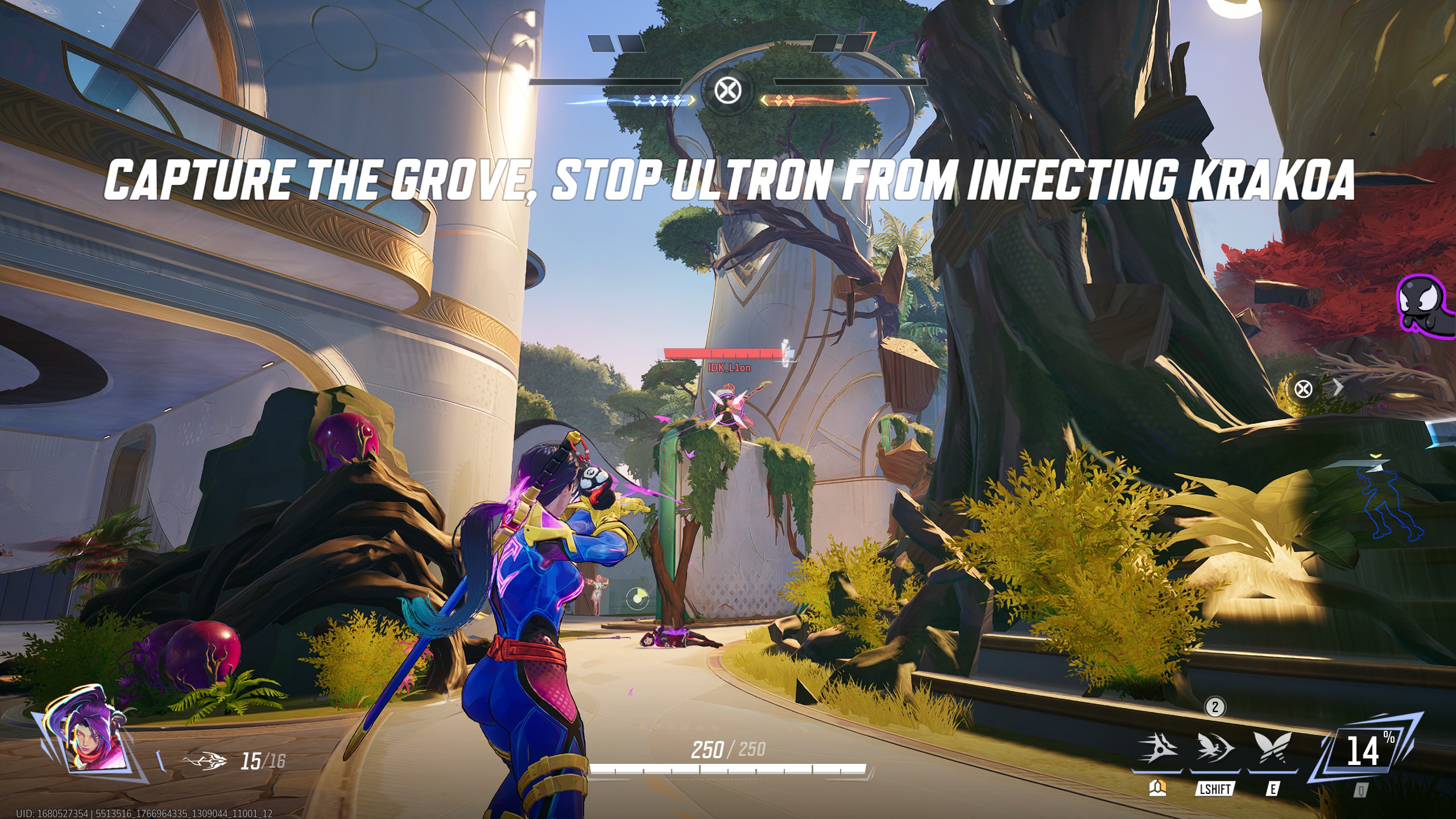
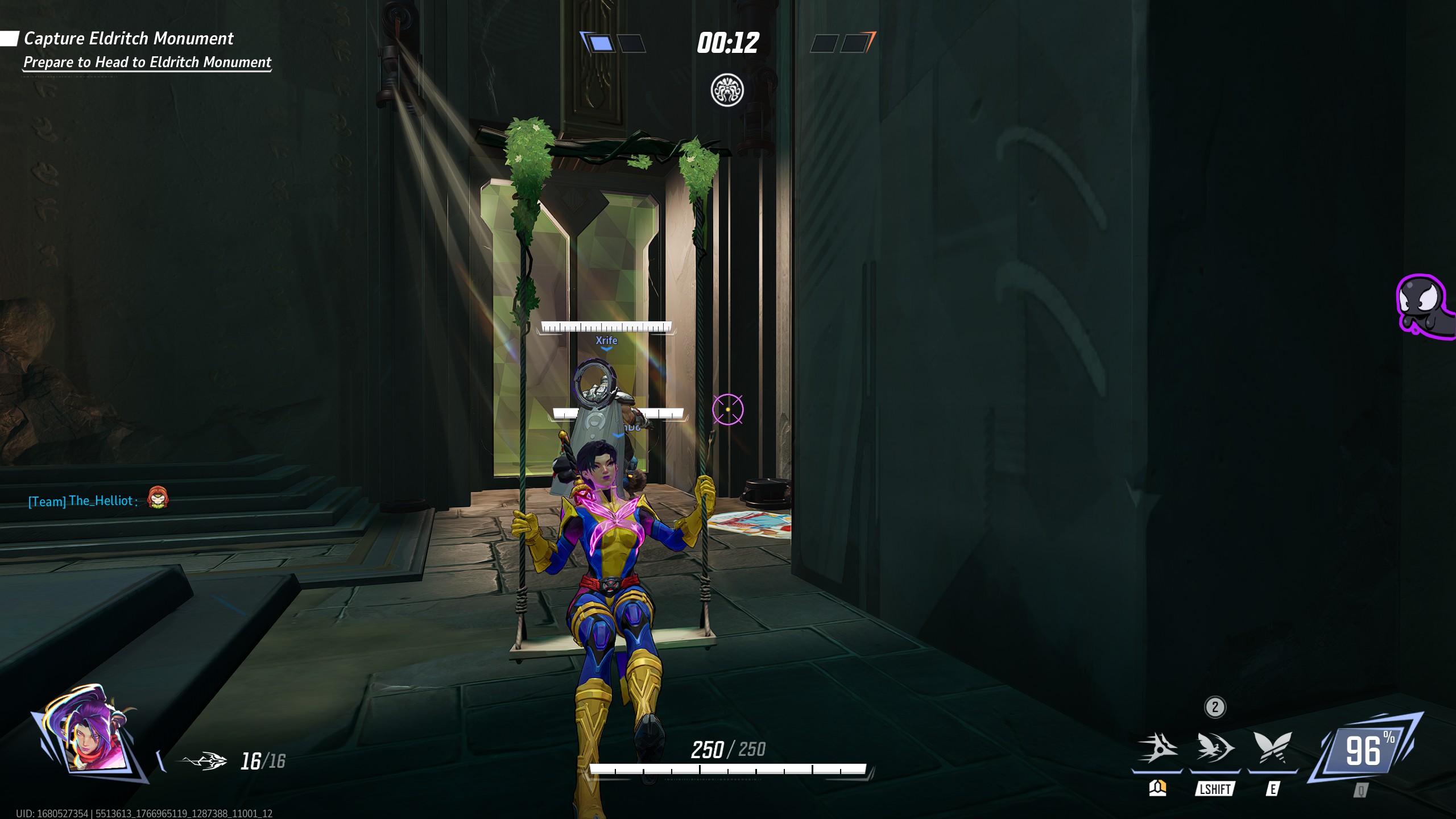
Including Marvel Rivals on a Game of the Year list feels a bit like suggesting Burger King when someone asks for a food recommendation in your city.3 Rivals is a wildly-popular triple-A free-to-play clone of another wildly-popular triple-A free-to-play game that stars characters from one of the biggest franchises on the planet. Regardless of whether it is good, recommending it debases both you and I, and shines the uncomfortably-bright light of scrutiny on this whole “over-intellectualizing children’s toys” thing that I have got going here. And yet, I played more Marvel Rivals than any other game this year. I may have played more Marvel Rivals than all other games combined this year.4 So, if I am to maintain some veil of seriousness and salvage some shred of integrity as a Videogames Blogger, I am going to have to find some way to get a bit sentimental about eating Burger King.
Historically, I have not played multiplayer shooters. I did not grow up finishing the fight with Mister Chief or shooting civilians with Colin Duty. I barely even struck, let alone Counter-Struck. The first game to break this pattern was Apex Legends, which was able to entice me with the promise of emergent storytelling with friends and being able to meaningfully-participate even if I did not how to Point and Shoot a Gun. The second game to break this pattern was Marvel Rivals, which promised less of the former but far, far more of the latter. I first tried Rivals with a couple of my friends soon after its launch in December of 2024. For those unfamiliar with Overwatch (of which it is effectively a clone), here is a one-sentence summary of Marvel Rivals: it is a competitive team-based shooter where teams comprise some combination of tanks, DPS, and healers, with matches consisting of either king of the hill-style area control or convoy escort missions. The game is fairly stylish, in my opinion, and is far more visually-interesting than the Marvel fare most-commonly on offer these days. It features the characters you would expect (e.g., Spider-Man, Captain America, The Hulk), along with a few that you might not (e.g., Peni Parker, Luna Snow, the recent reinterpretation of Psylocke). Its tone is charming and a bit goofy, its costumes and UI are splashy-bordering-on-audacious, and its monetization is limited strictly to cosmetics (unlike, for example, Apex Legends, which locks most of its characters behind a paywall).
To me, the game immediately felt accessible and balanced. Although I was not particularly experienced or talented at shooting, I was still able to contribute to my team by healing or soaking up damage or just annoying our opponents. I liked being able to play weirdo characters, I liked being able to look at various X-Men,5 and I liked how different each character and role felt. Although my friends lost interest within a couple of months, the game somehow kept its hold on me: each new event or battlepass or character release felt like it was worthy of my time and I always had another goal to hit, whether it was self-imposed or set explicitly in the game. The feeling of getting better was addictive and I relished seeing myself go from the weakest link on the team to a frequent MVP, confident in my skill and in my understanding of high-level (or at least mid-level) strategy. This was probably what finally Unlocked competitive shooters for me, that feeling of progression and skill development. It turns out all those guys going on about boom headshot and KD ratios were on to something: it feels incredible to go 36 and 1, just in total control of the field and your opponents. Even more than that, I’ve loved playing tank or healer and feeling totally in-sync with my team; nothing felt better than keeping everyone else on the team alive and getting recognition for that. It also helped that, along the way, I generally found the playerbase to be pleasant and fun. Most people seemed to recognize that we were playing a game for children and so taking it too seriously made you seem pathetic, instead of cool or intimidating. And this probably just betrays my juvenile nature and inexperience with multiplayer games, but I never tired of seeing the ridiculous and incredible usernames that people sported.6
Most of all, it just felt nice to have a game I could just sort of fall into whenever I needed to Not Be for a little bit. Matches are quick and losses unpunishing, so it is easy to just treat it like a near-daily duty, a few minutes of obligatory fun that you promise yourself every day. The game was familiar and welcoming and it was nice not to have to think about what to play or to work up the energy to play something new. I am, of course, describing a complete surrender to compulsion and forfeiture of deliberate or mindful behaviour, but there is undoubtedly a comfort in that. Whether comfort is something I should be seeking is another matter altogether.
BALL x PIT
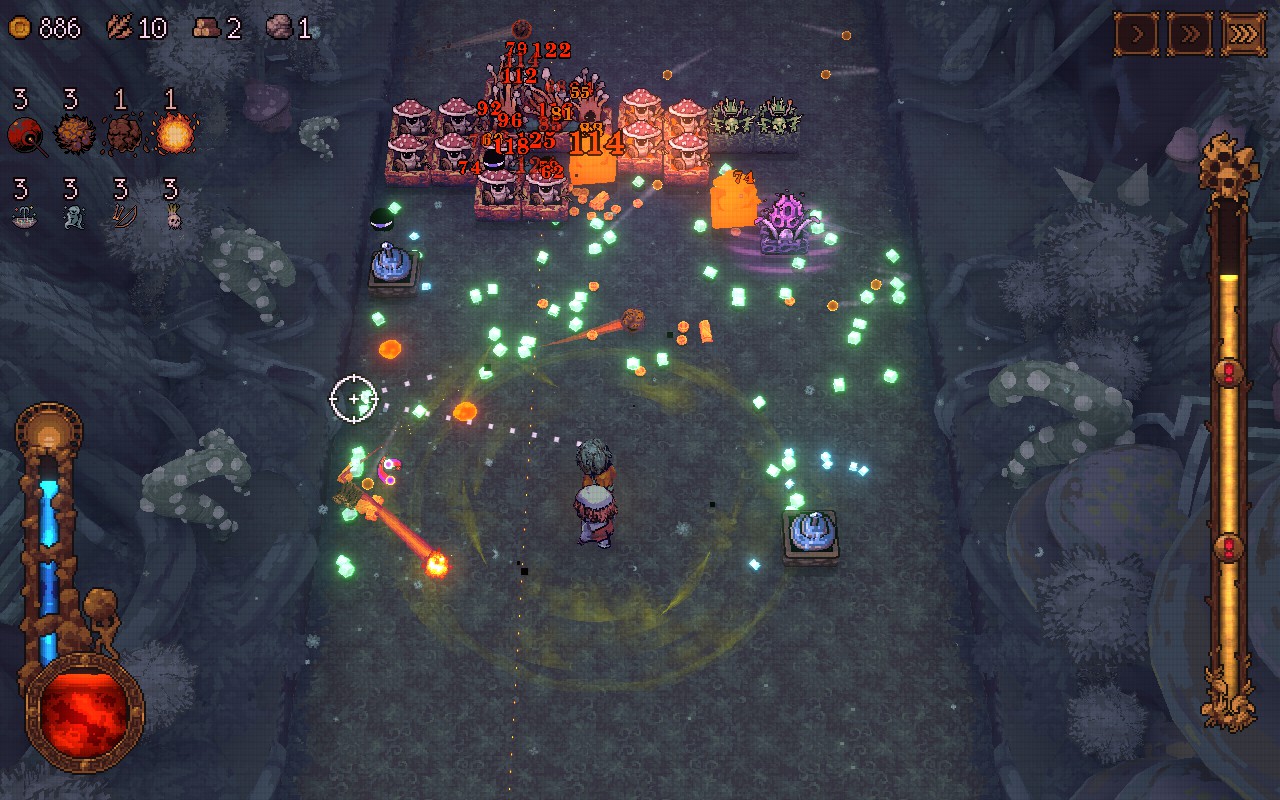
Speaking of seeking comfort, I fucking hated Breakout—you know, that brick-breaking game that came on Windows? I get that it was on Atari and it was probably cool as hell if you were an academic playing your first videogame in 1979 but by the time I was born they had already made a few Zelda games and they were well on their way to making Ocarina of Time so no one needed to care about bouncing that silly little ball around any longer. If you had told me as a child that in 25 years I would get pretty into a roguelite version of Breakout, I would have said “please tell me exactly how to avoid growing up to become that person.” But then, of course, I became myself, and so now we are going to talk about BALL x PIT.
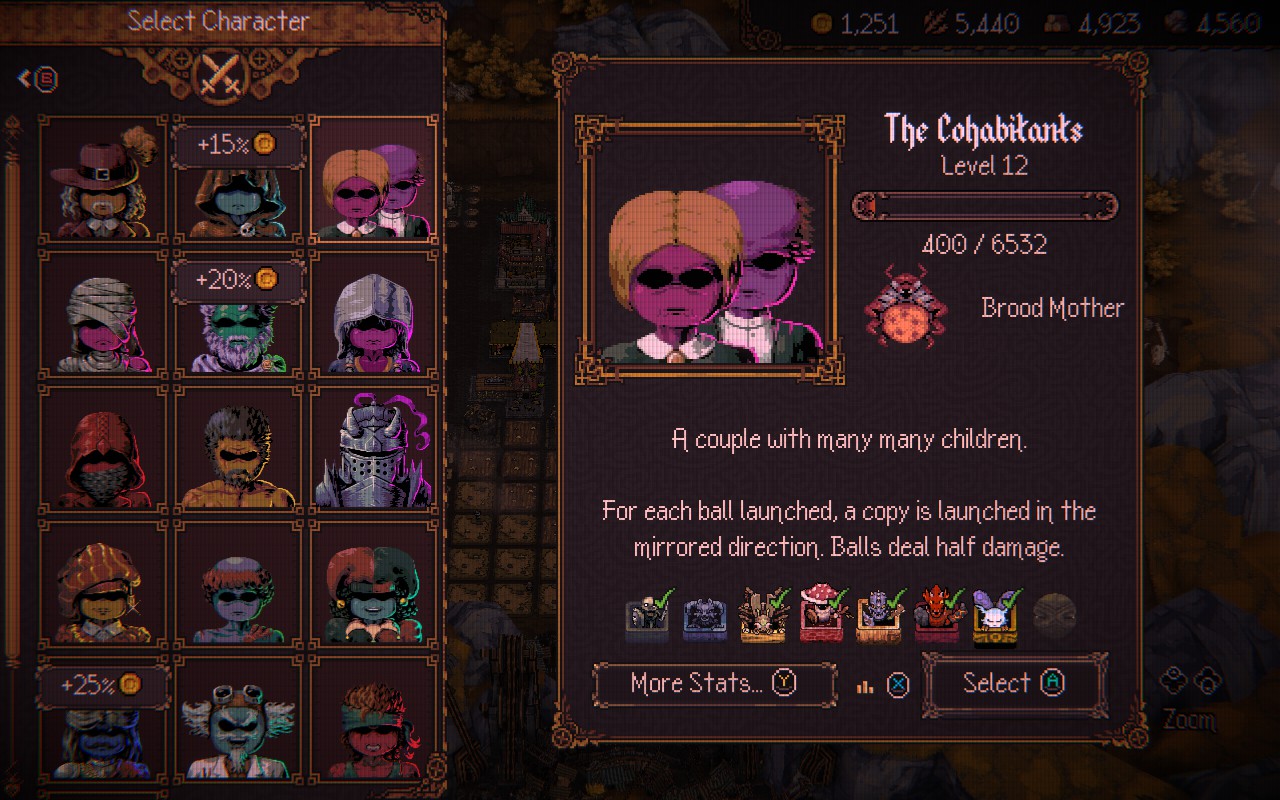
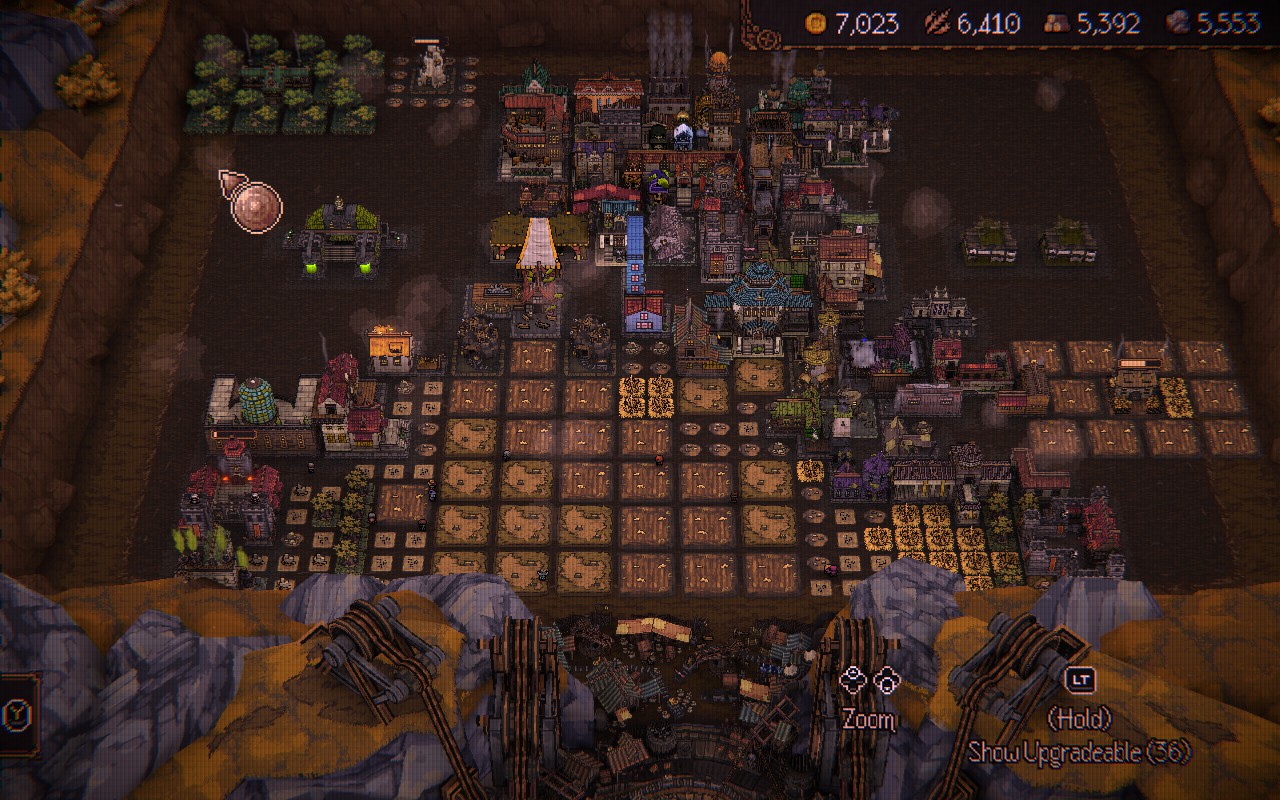
I first became aware of BALL x PIT through the charming mockumentary released by Devolver. I tried its demo soon afterward and locked in my prediction that it would be A Big Hit when it released a few months later. Proving myself once again too inept to be either a tastemaker or soothsayer, BALL x PIT instead turned out to be something more like A Moderate Hit… except in this house, where it is almost always my Most Recently Played Game on Steamdeck.7 As intimated earlier, BALL x PIT is sort of like a run-based brickbreaking game but, instead of bricks, you seek to break an ever-approaching horde of enemies who march and jump and attack in-rhythm with the ominous (diagetic?) music. You auto-shoot a string of balls (with special abilities) and baby balls (with no special abilities) and, thankfully, blessedly, you are not required to catch them before they reach the bottom of the screen. Every run starts with choosing a character, many of whom play shockingly differently from the others. The Cohabitants, for example, shoot two half-damage balls in a symmetrical pattern. The Shade shoots balls from the back of the field instead of the front.8 This diversity compounds further when you unlock the ability to take two characters at a time, combining their abilities in ways that can feel utterly-broken or comically-contradictory. Over the course of a run, you collect and combine different balls and relics, which allow for wildly-different builds to emerge and, with the right configuration, can lead to cornea-rending displays of ball-based pyrotechnics that utterly obliterate your enemies the second they appear on-screen. In between runs, you do a bizarre combination of base-building, farming, and brickbreaking, that no one seems to like but me. In this portion of the game, you build buildings and crops that you can construct or harvest respectively by bouncing a “worker” (ball) through them. This allows you to unlock new characters and abilities, improve stats, and so on.
I would love to tell you that the reason I enjoy BALL x PIT is that it secretly contains an astonishing level of depth and a skill ceiling higher than the highest reaches of Ballbylon but that’s the sort of bullshit I was peddling in that last entry, the whole skill development Burger King thing. No, BALL x PIT is also simply a comfort game. It feel good to watch ball go around. It feel good to make numbers go up. It feel especially good to listen to podcast while watching ball go around and making numbers go up. That said, I do think that BALL x PIT earns its place on this list; there are innumerable options for games for where number go up, but BALL x PIT undoubtedly stands out among them. Its gameplay and difficulty curve have been sanded down into something perfectly-smooth and enjoyable. Its aesthetic and tone are charming and unique. Most of all, it deserves credit for packing a shocking amount of variety into a game that is fundamentally quite similar to a 45-year-old Atari game. I was consistently and pleasantly surprised at the different characters, balls, relics, buildings, and enemies that the game had to offer, and at how all of these components combine into a shockingly-replayable game. I have likely said it elsewhere on this website, but I respect few things more than overcommitting to a bit. BALL x PIT exemplifies this principle, so much so that it got me to like fucking Breakout.
HADES II
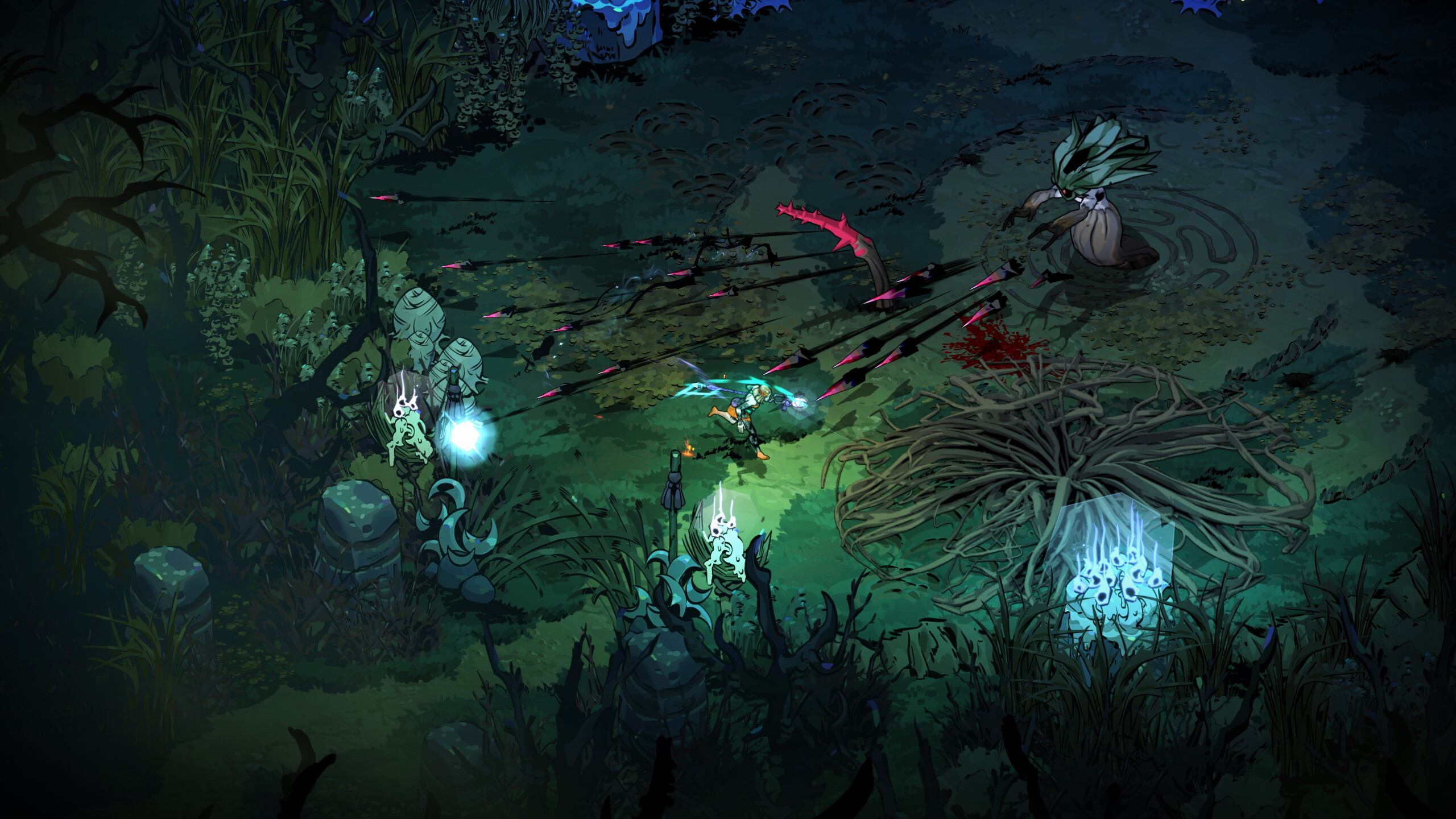
Hades was one of my favourite games of 2020. Although I had had brief dalliances with roguelites and roguelikes9—some of which were moderately successful (e.g., Dead Cells, Rogue Legacy) and some of which were not (e.g., Spelunky, The Binding of Isaac)—none had really ever grabbed me. The most I had done was put a few hours into one of them, perhaps approaching the final boss but never beating it, and certainly never approaching the true run-based experience of beating it and over and over like a [insert insensitive or salacious simile here as you please].10 This changed with the advent of Hades, which managed to combine tight, challenging combat with compelling writing, arresting art, and an addictive treadmill of unlocks and rewards that softened the blow of failure and always incentivized ‘one more run.’ Hades featured a shockingly-enjoyable plot centred around its true strength: a large cast of lovingly-performed and depicted characters whose charm was only ever exceeded by their intrepid horniness. Although each run comprised the same four levels of the Underworld, the diversity of weapons and character abilities allowed every run to feel unique and exciting, requiring different strategies and mindsets. This formula worked so well that I kept completing runs long after I had “beaten” the game (i.e., rolled credits and reached the natural endpoint of the narrative), just in the hopes of seeing the game’s last few secret scenes (and so that I could beat the game’s ass in new and goofier ways). My experience with Hades as a long-awaited welcoming into the genre was by no means unique; many people finally found themselves engrossed by this style of play because of Hades’s perfect combination of difficulty, reward, and aesthetics.11
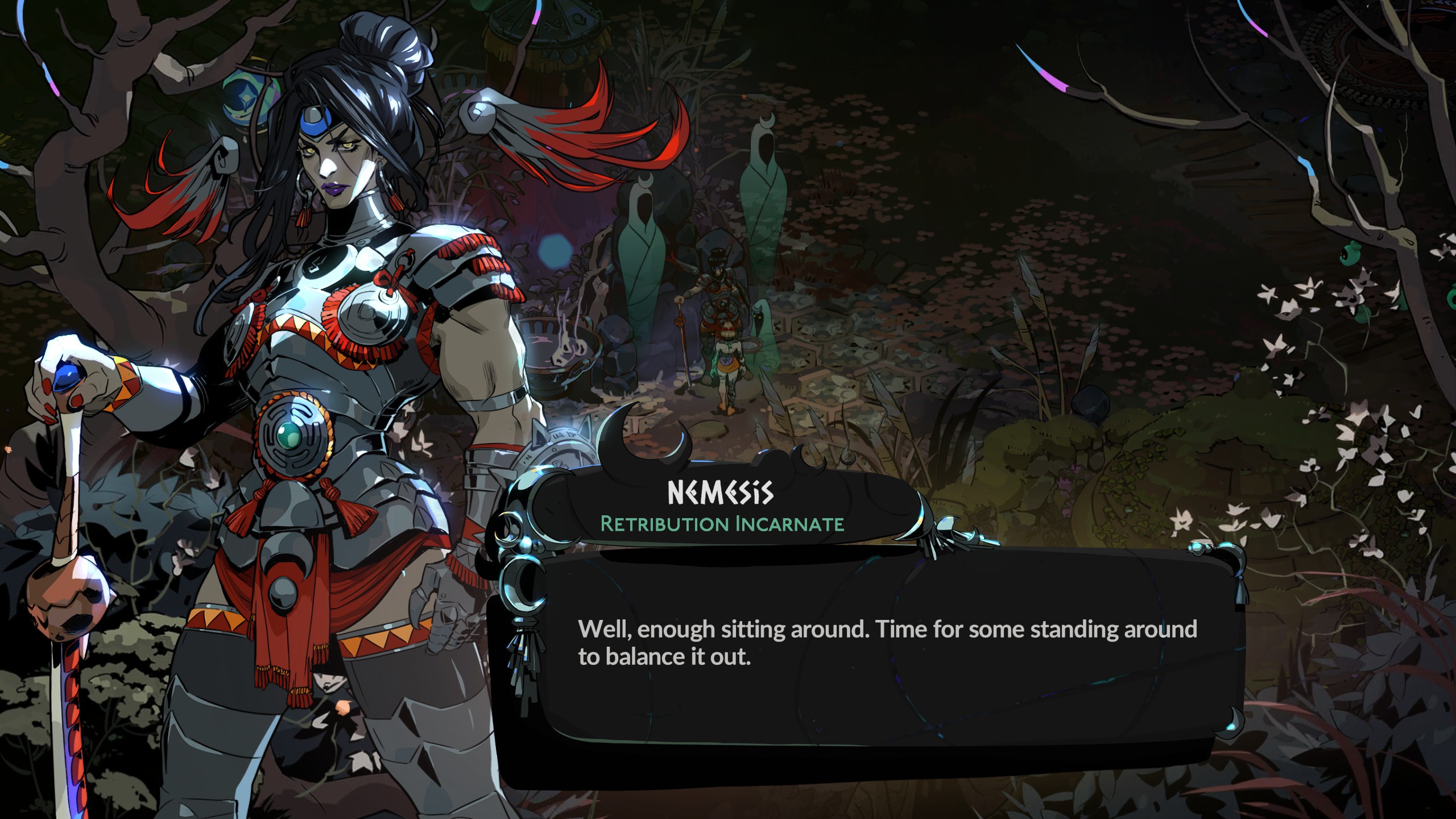
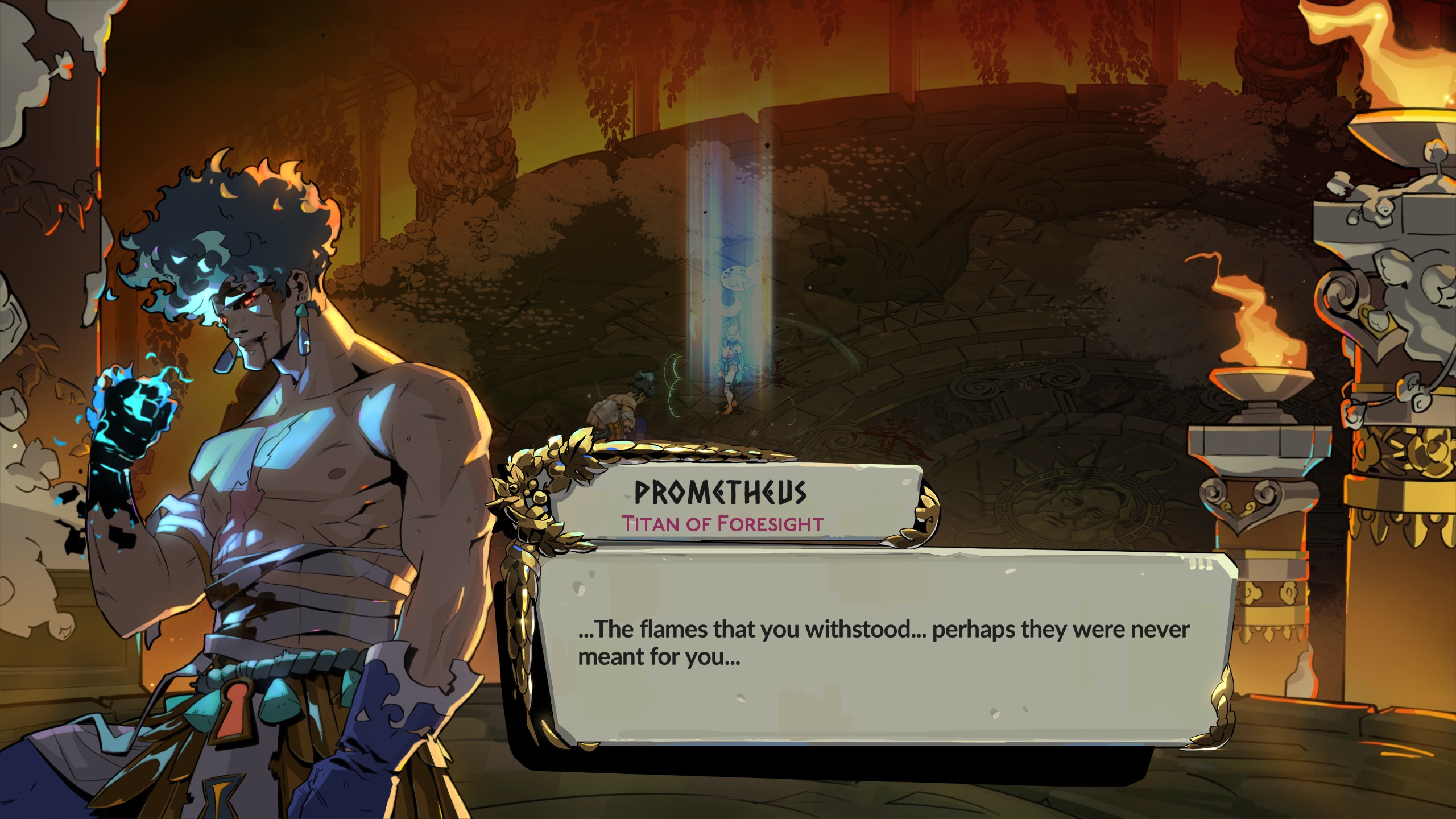
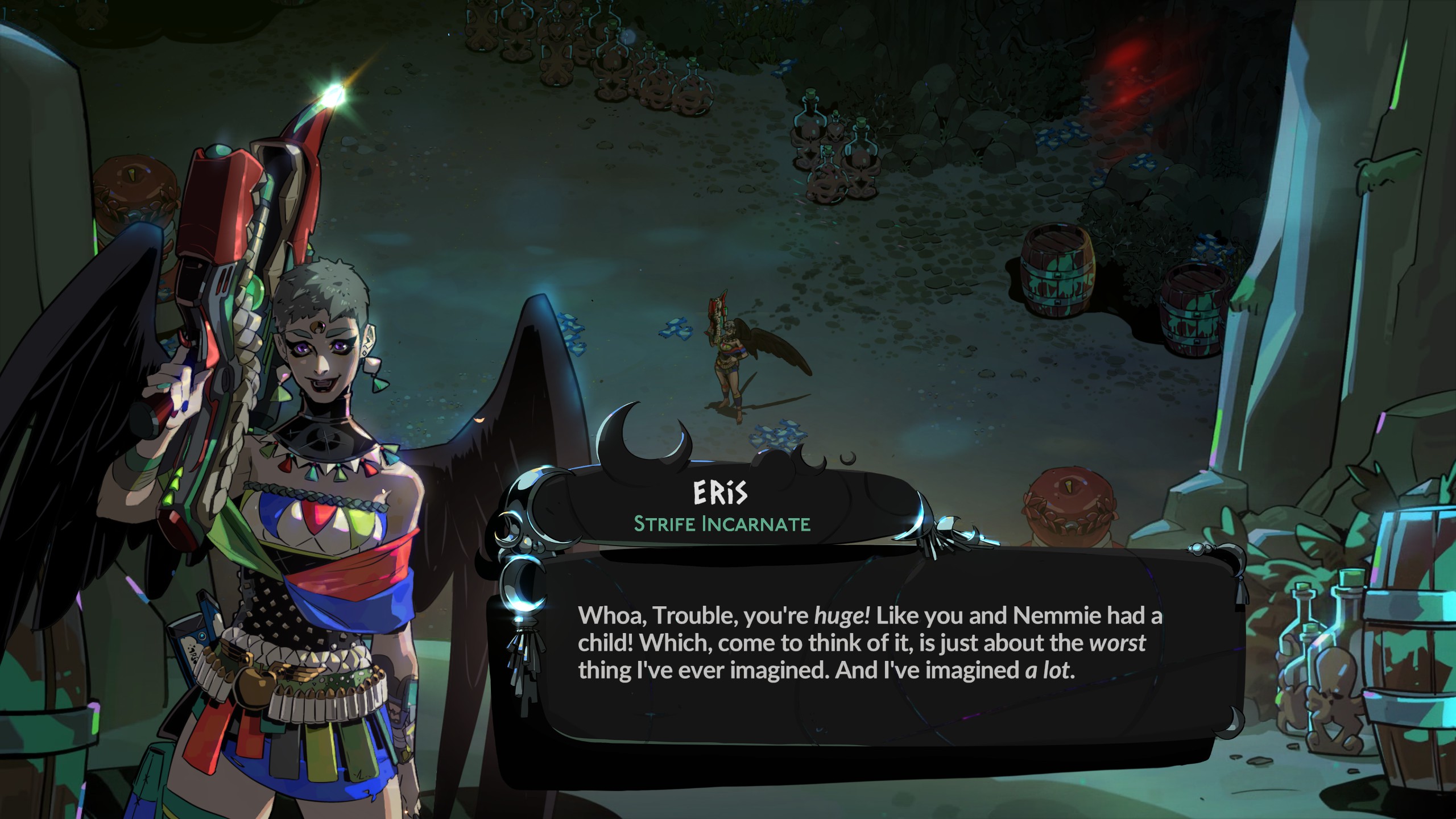
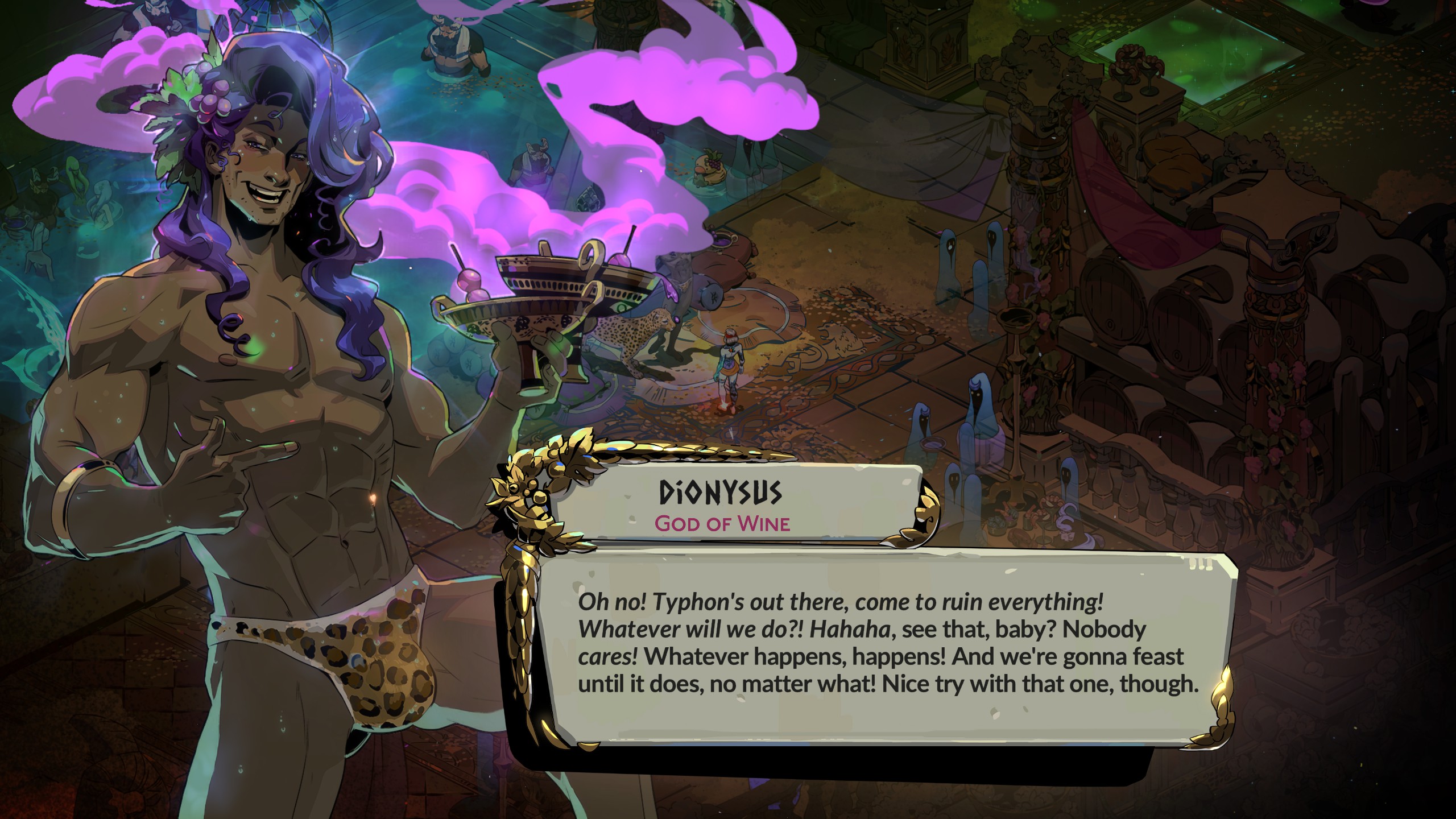
You may now find yourself feeling cheated due to having been tricked into reading a review for Hades in a section labeled Hades II, but I am here to soothe those concerns: nearly everything you have just read is equally-applicable to Hades II. The strength (and, to some extent, the weakness) of Hades II is that it is quite simply a very effective sequel to Hades. It has its own unique narrative along with a (mostly) new cast of characters; it has its own unique weapons, abilities, bosses, and encounters; it is fun in all the same ways as Hades without simply reheating and reserving the exact same gameplay. Melinoë, our new protagonist, has a very different personality and animus from Hades’s Zagreus, but is no less compelling in her own right; so too with her antagonist, Chronos, and her diverse coterie of friends, enemies, frenemies, and bathmates. Your descent into the Underworld is similar to that of the first game’s, but is marked by far greater diversity in environment and enemy type. Hades II’s most novel contribution though is its addition of a new direction: Melinoë also has cause to ascend to the surface of the Earth and each run begins with the choice of which path to take, each with its own set of levels, enemies, and bosses. “Beating” Hades II (i.e., rolling credits) requires a surprisingly-high number of successful runs in both directions, which also helps to keep things from feeling repetitive, and beating the final boss of the ascending route was always a particularly triumphant experience.
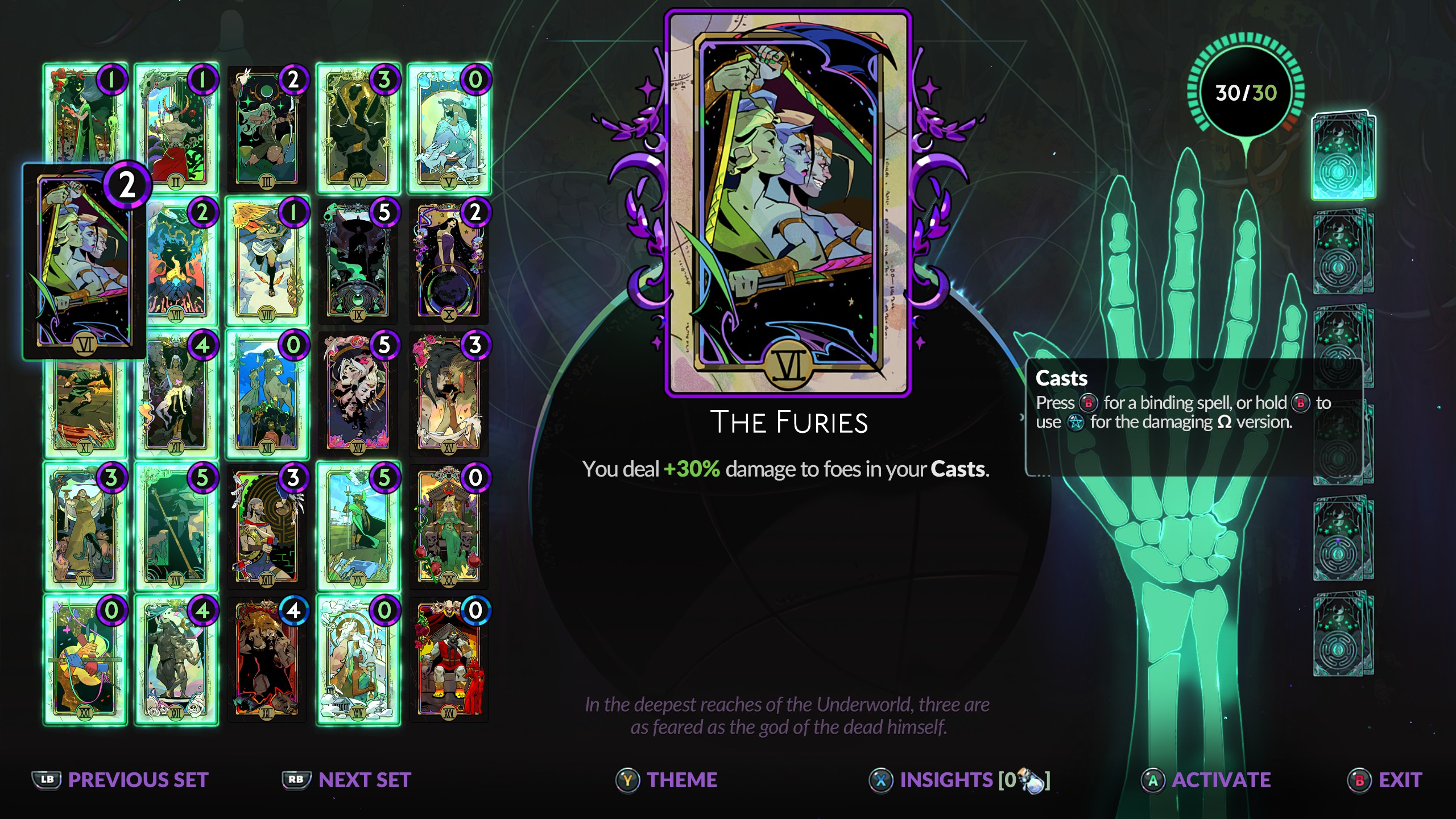
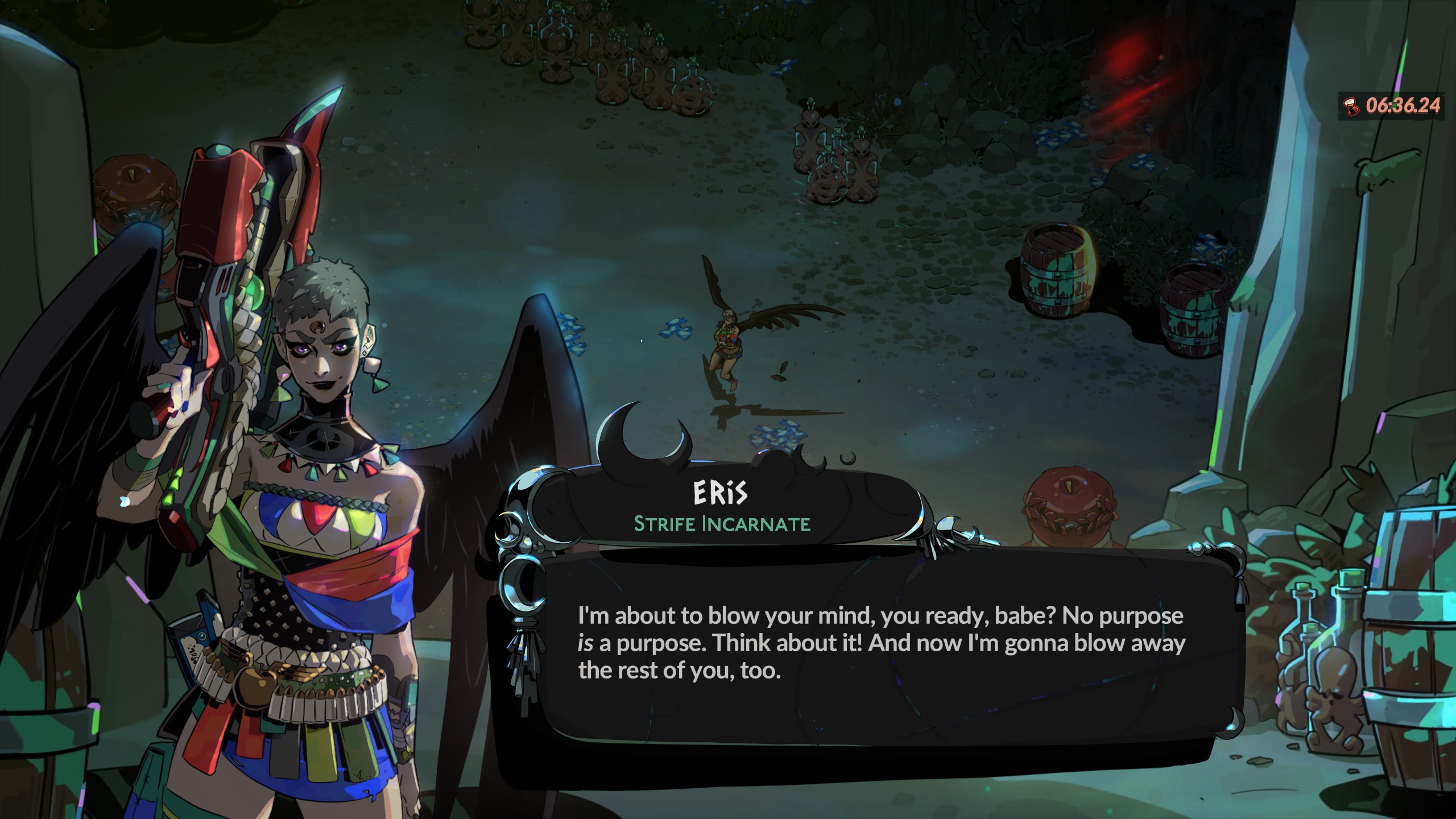
But now we come to the question around which I have been swirling for about 550 words: is Hades II better than Hades? The answer to that question is an irritating and cowardly I Don’t Know. Hades II is a lot like Hades and yet it is also different from Hades. Some of the first game’s systems have been reworked for its sequel but to mixed effect.12 Some of the characters are more memorable and some are less. I think on the whole, I probably liked the weapons in Hades better, but I also enjoy the weapons of Hades II. The end-game grind is far less appetizing to me than that of Hades, but the “main game” content was far more varied and diverse.13 If you enjoyed the first game, you are doomed to like its sequel. If you did not, then you are probably safe to let it pass you by. In some ways, Hades II feels like it was specifically designed such that no one who appreciated the first game could possibly dislike it. It is certainly different enough to justify being its own separate game and I absolutely enjoyed my time with it, but I am not certain that it built on the first game in any real meaningful or notable ways. It truly is just more Hades to jam into your gob. But maybe… maybe that’s enough.
LIES OF P: OVERTURE
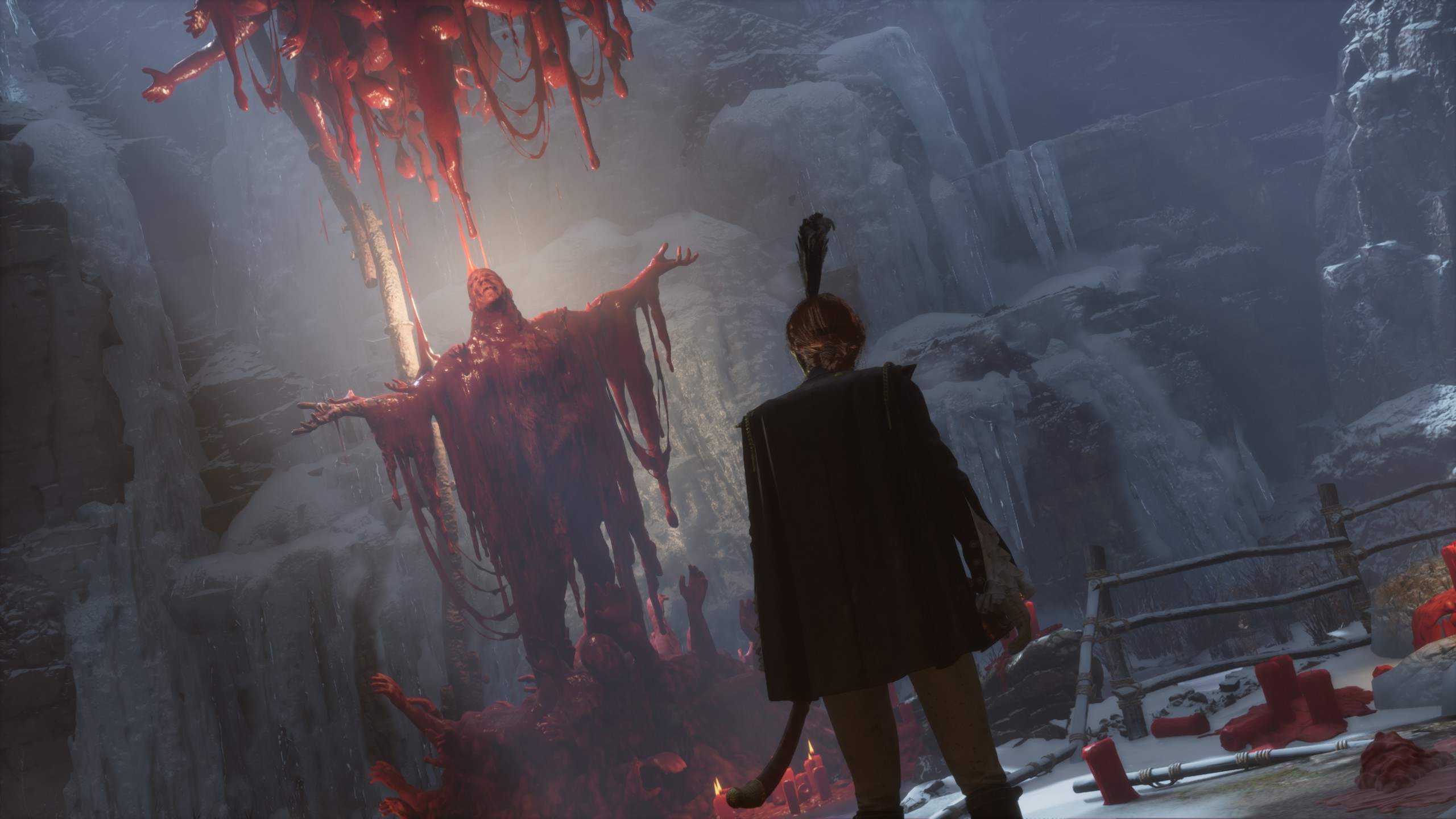
We’re only three in, but you seem a bit winded. Can I entice you to rest for a moment in the warm lap of Lies of P? I have already spoken at length about what I like so much about Lies of P and that all only became truer and sweeter as I replayed it this year in anticipation of the release of Lies of P: Overture, an expansive DLC prologue that answers some of the questions posed by the main game’s story and then asks a few of its own. The initial appeal of Overture is that it takes place in an entirely new and different set of locales. It begins in an idyllic winter forest, before leading you to a far-less-idyllic zoo, a moderately-idyllic carnival, and a host of other intriguing environments of varying levels of idyllism. Although I have a fondness for Krat, the city in which Lies of P takes place, I won’t deny that it suffers somewhat from its natural comparison to Yharnam, the iconic city setting of Bloodborne. Overture bucks such comparisons though and instead opts for environments that are largely dissimilar from anything in either Bloodborne or Lies of P.
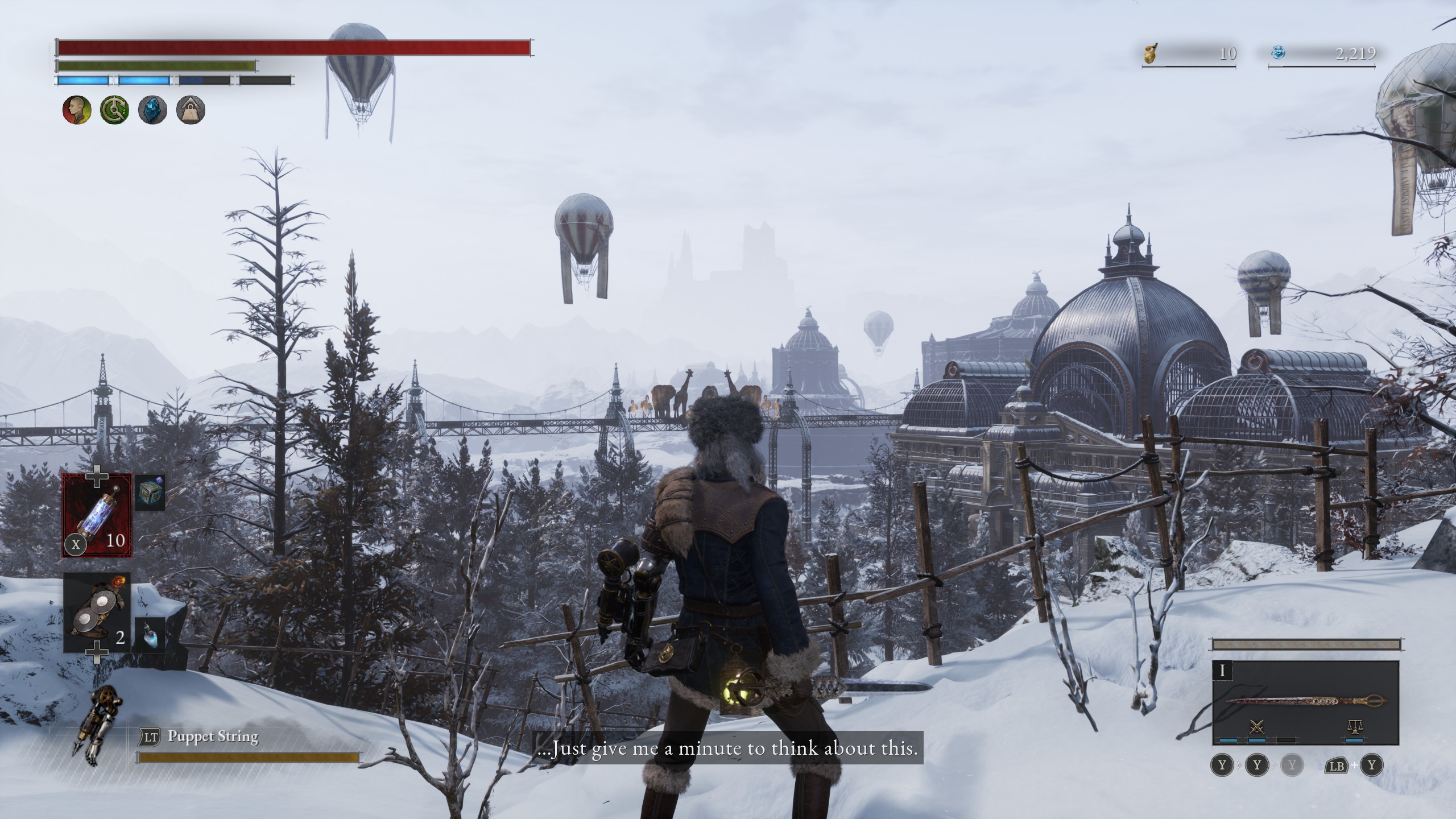
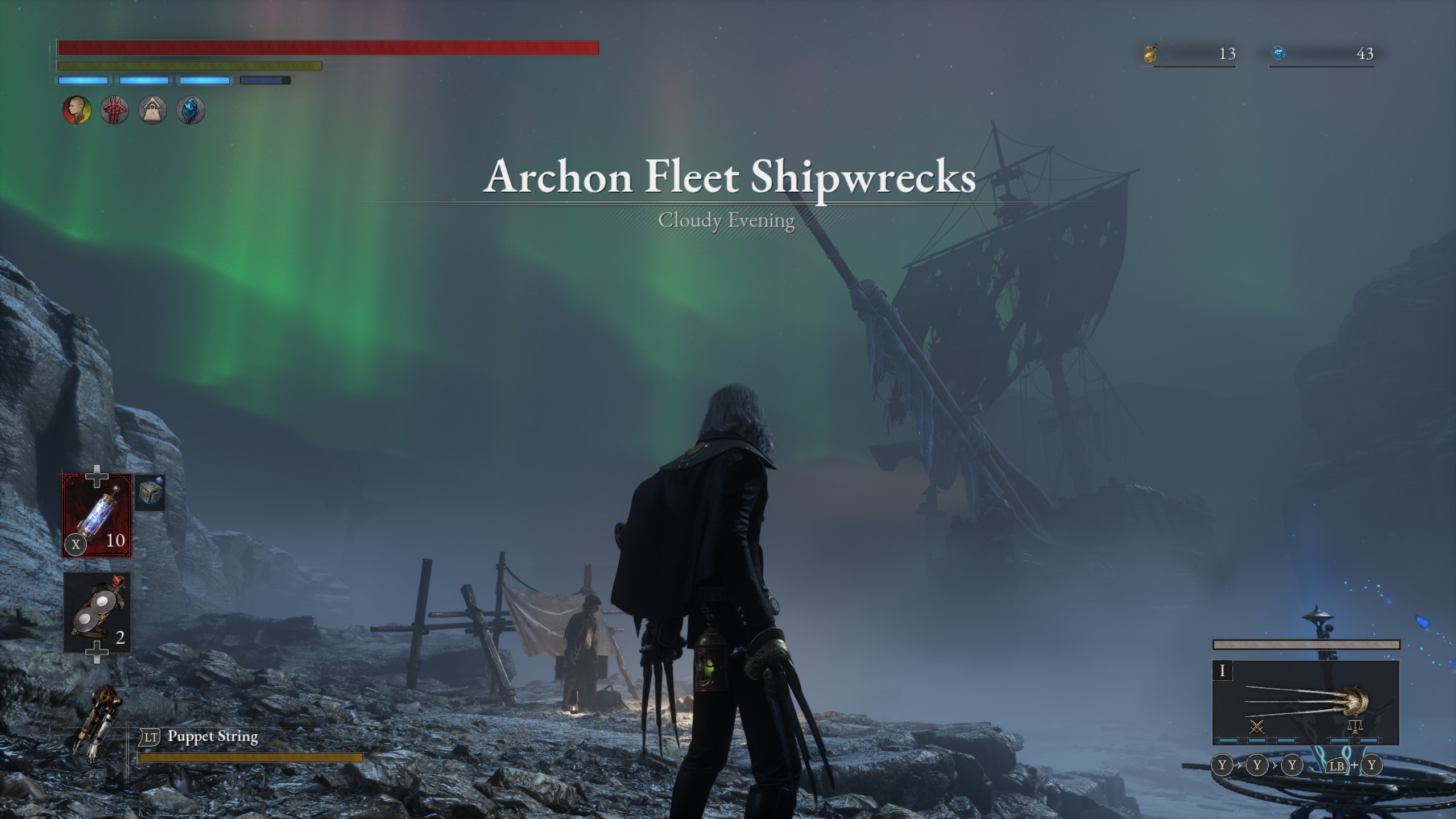
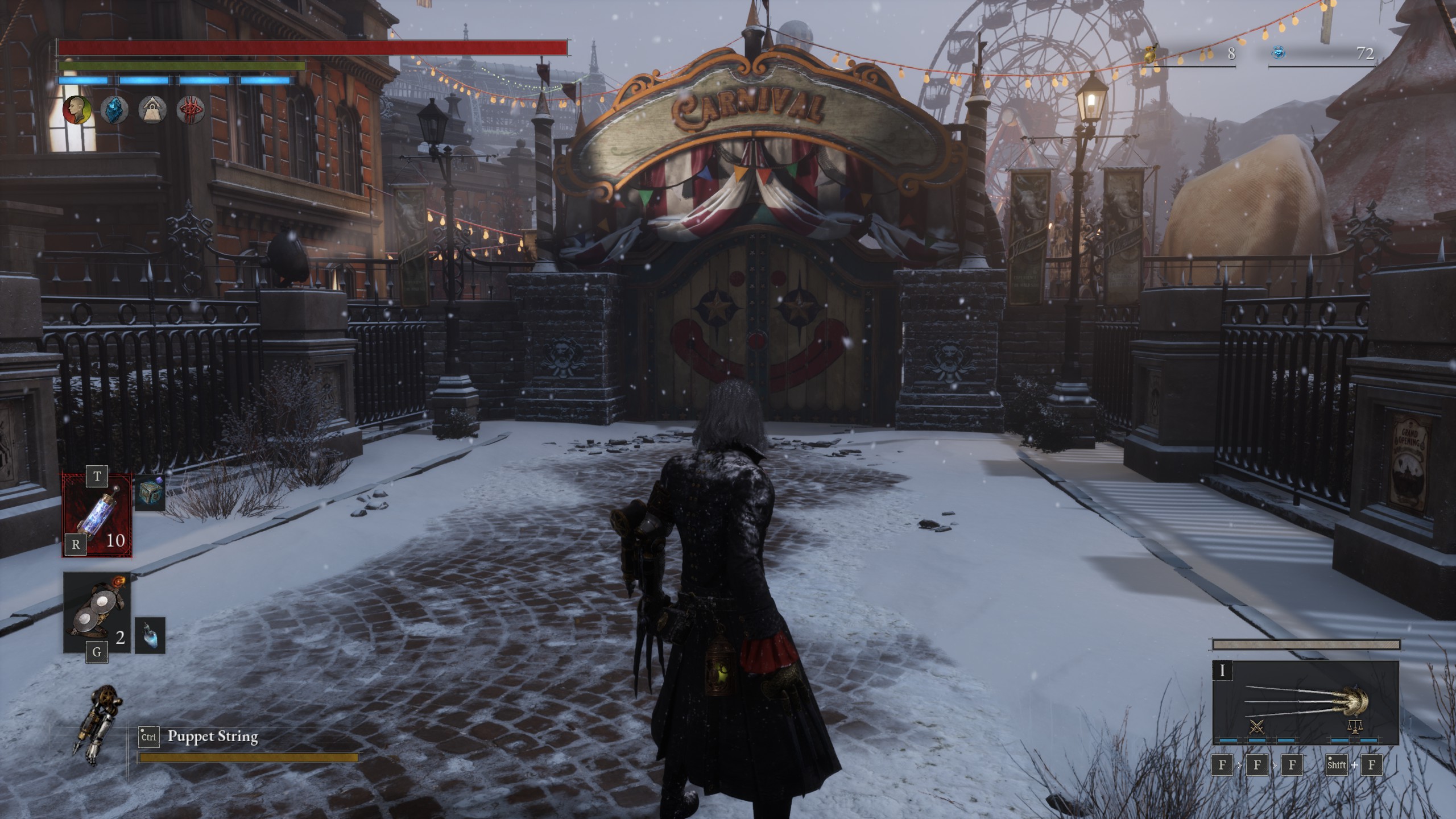
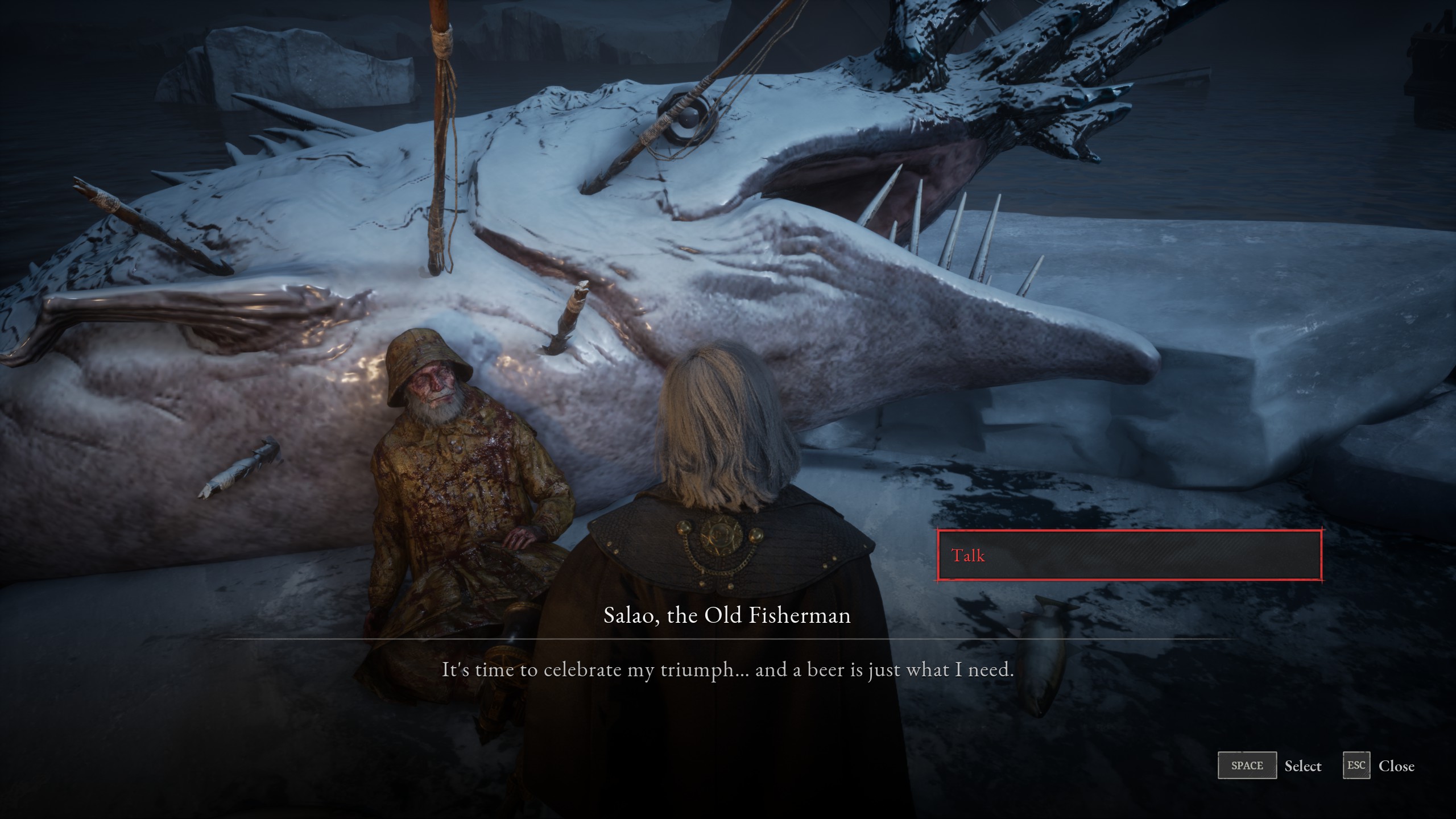
The dissimilarities end there though, as Overture’s other main appeal is that it is generally just a highly-concentrated dose of Lies of P. It has new enemies, weapons, characters, and bosses, but Overture captures what is best about Lies of P, cuts away the rest, and leaves you with a nearly-full-game-length experience that is on par with the main game’s finest segments. In my original review of Lies of P, I praised the game’s generosity and richness, and those laudates are no less applicable here: the game seems almost giddy to treat the player with new toys and meta-progression systems and opportunities to play the game in interesting and individualized ways. Within the first hour, you get a damn bow. At the risk of repeating myself, I cannot stress how fun it is to play a game nearly on-par with the quality and difficulty of FromSoft souls games without any of the austerity or oppression that those games typically entail.14 It’s like going to a Dostoevsky-themed birthday party.
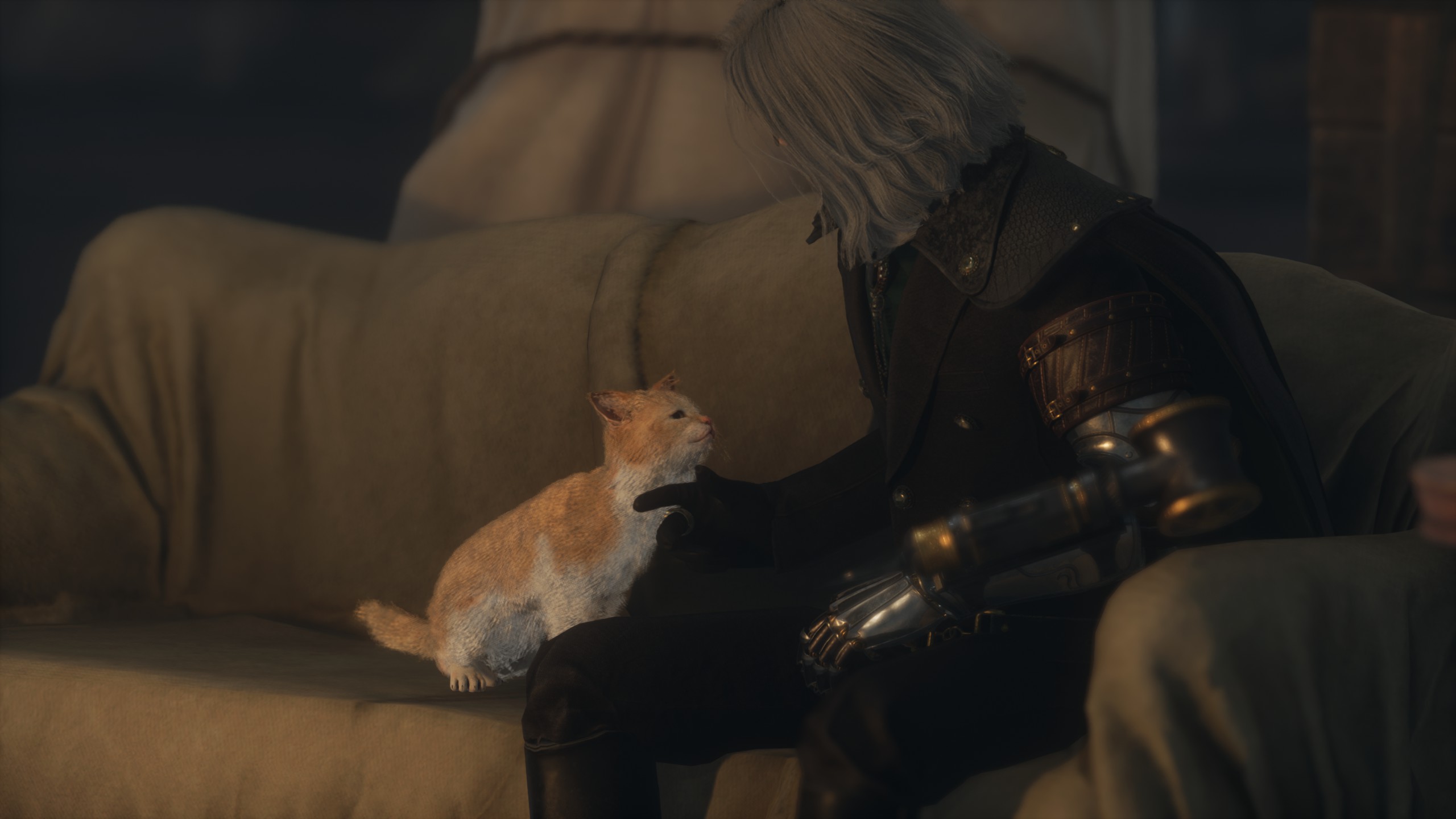
It has been said that postgame DLC releases are sometimes better than the base game because the developers have a deeper fluency with the game’s development tools, mechanics and systems, and a better sense of What Worked and What Did Not. This certainly seems to be the case with Overture and that makes me all the more excited for Shoes of D or whatever they have got coming next. Please do not call it Shoes of D.
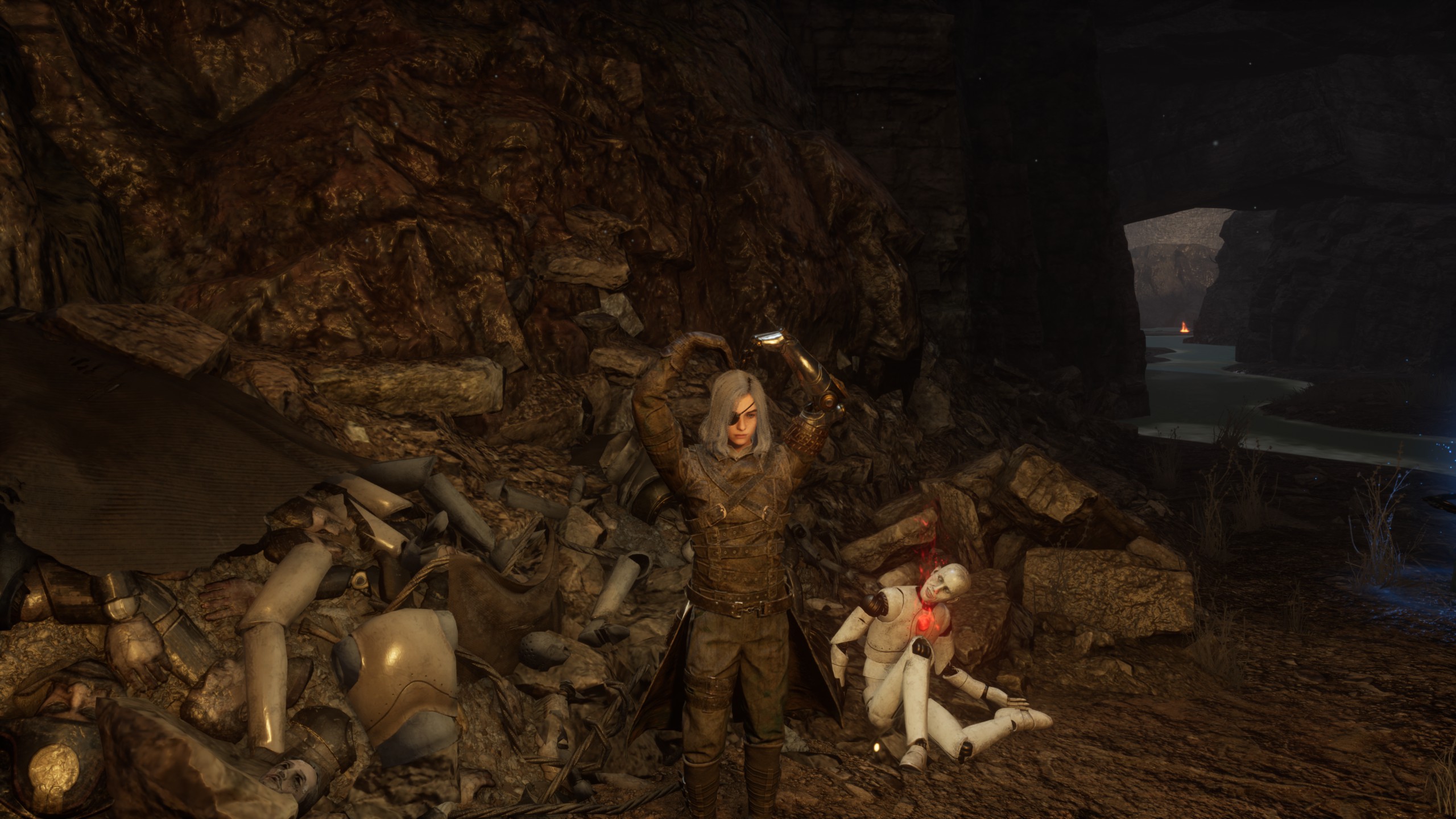
ELDEN RING NIGHTREIGN
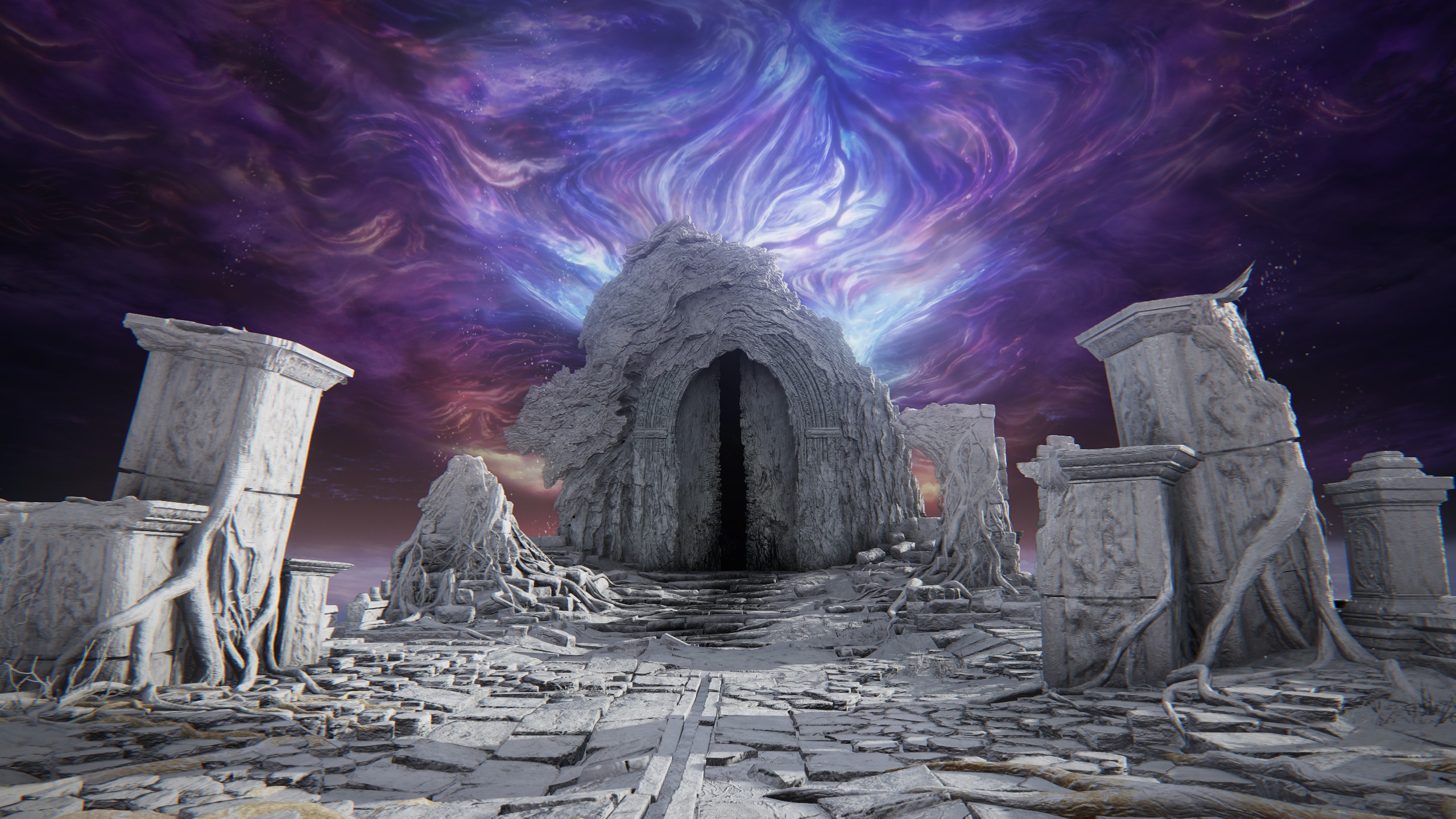
Here is the question that many people believe is asked by Elden Ring Nightreign: What if Elden Ring was a multiplayer co-operative game? Here is what I think Nightreign is actually asking: What if you could let loose with the boys on the map from Elden Ring?
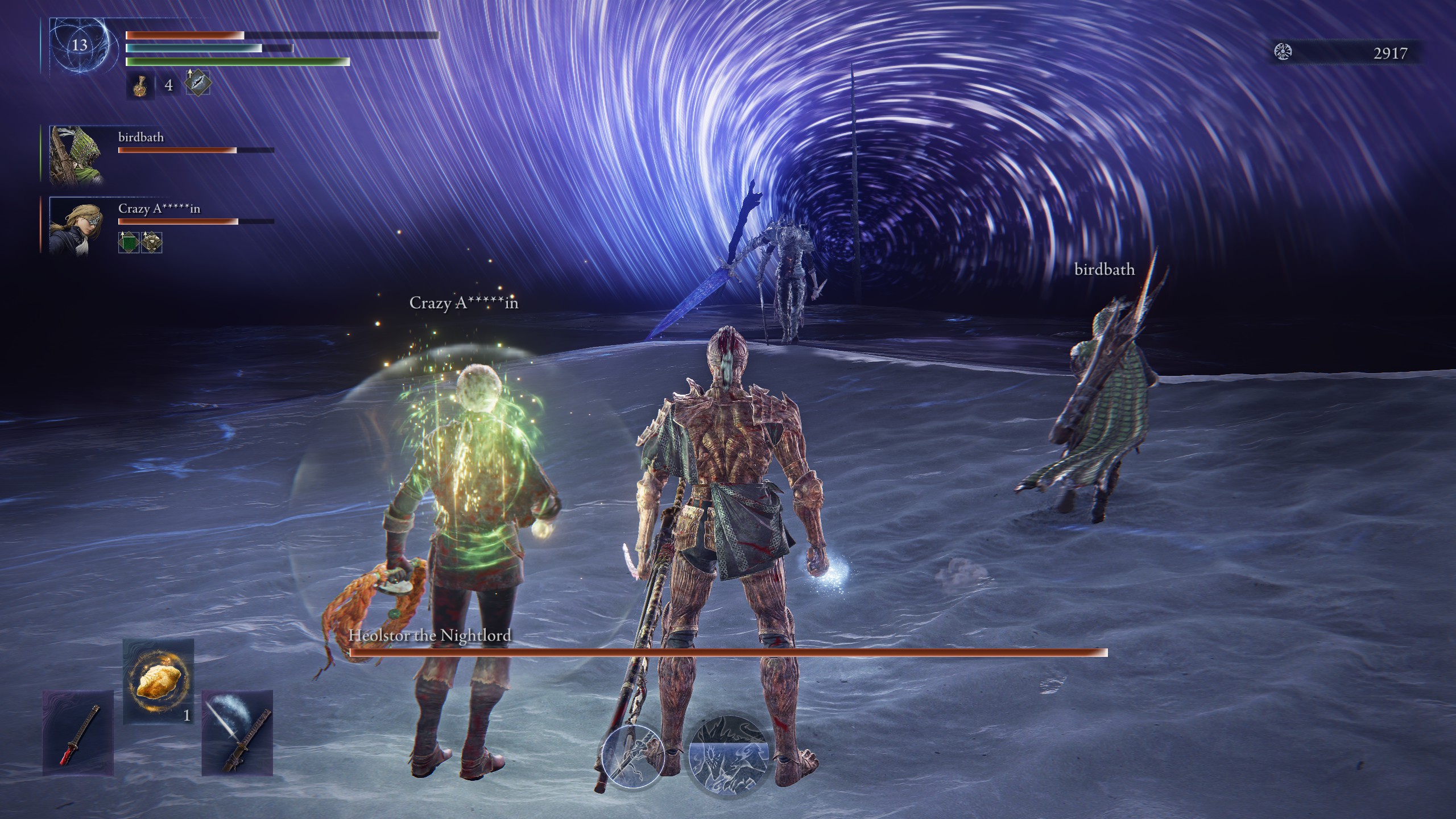
Elden Ring Nightreign is ostensibly a multiplayer spin-off of the inimitable Elden Ring and, although that is true in a strict sense, I feel that it both does the game a disservice to conceive of it that way and fails to actually convey what the game is like. Nightreign is a run-based game with a slowly-shrinking-map mechanic à la Apex Legends or Fortnite but with a frenetic energy that would be unimaginable in either. Runs are undertaken with squads of one-to-three people and are a white-knuckle blitz-sprint from the moment they begin until the last of you perishes. You begin each run as one of a few different classes and get a small amount of customization for how your character will play (and, eventually, look). Leveling up during a run increases all of your stats but does not allow for customization; on the contrary, you won’t even know what changed because you will have been slamming on X as you ran over the bonfire so that you could open the menu, level up, and close it, all in about 800 milliseconds. Throughout your run, you will be inundated with weapons—most of which will be of no use to you—but all of which have at least some potential value to you, as weapons that are irrelevant to your class still provide some small boon to you even when sitting unused in your inventory. The game takes place over two “days”, each of which ends with a boss, followed by a brief respite,15 and then a final boss. Over the course of a day (about 14 minutes), the map shrinks smaller and smaller until your party is forced into a small circle where that day’s boss emerges. Assuming you are victorious, the map then opens back up and you repeat the process. Final bosses are unique to Nightreign but bosses found during a run may be familiar to you, as they are borrowed from other FromSoft games.16 Your main reward for successful runs is unlocking later bosses. You also receive some items that can be used to customize your character, but these are (by design) almost all trash and so hardly actually register as a reward. Once you have beaten all of the final bosses—eight in the base game, two in the DLC—then the main reward for successful runs is Having Fun.17
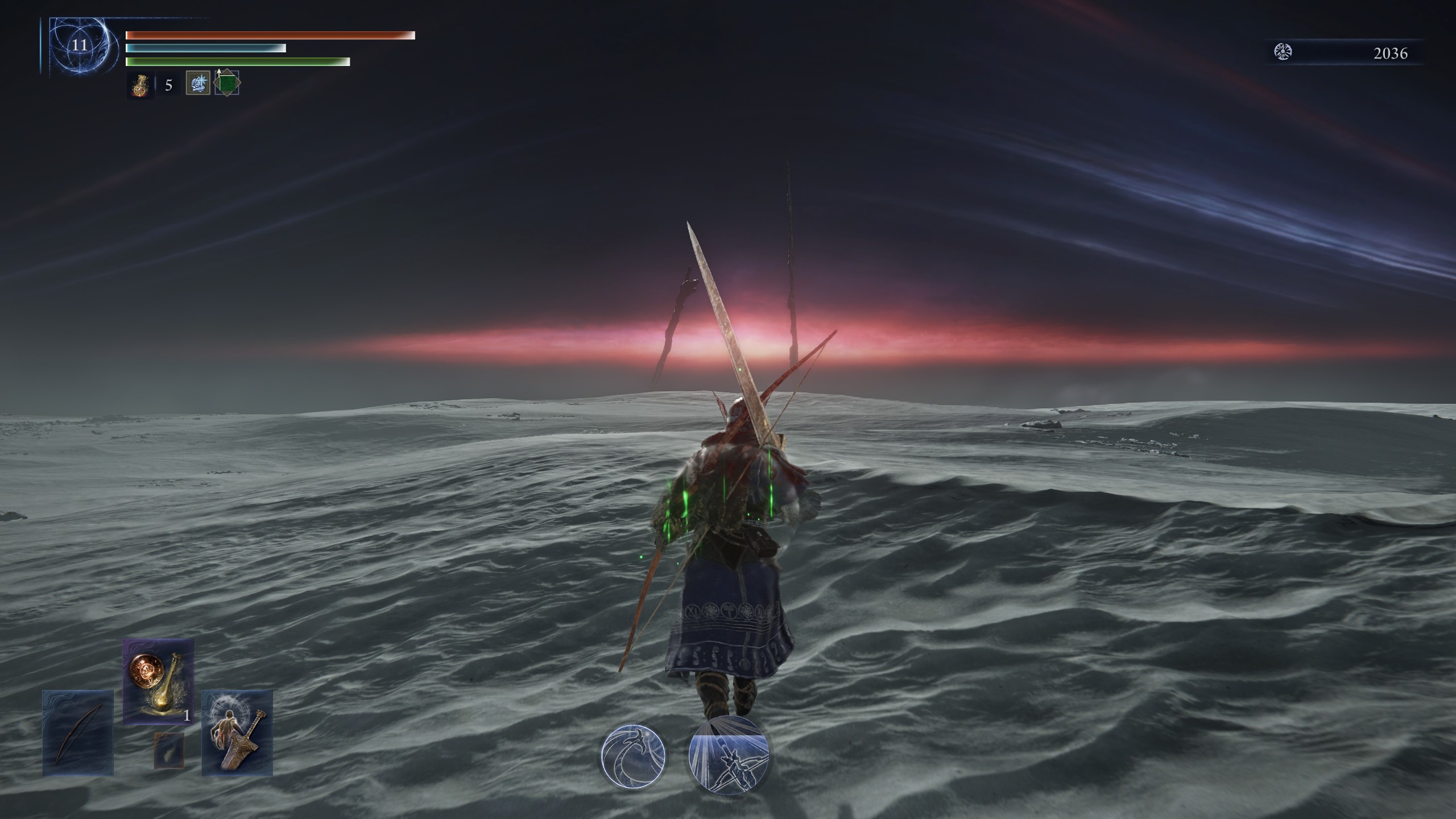
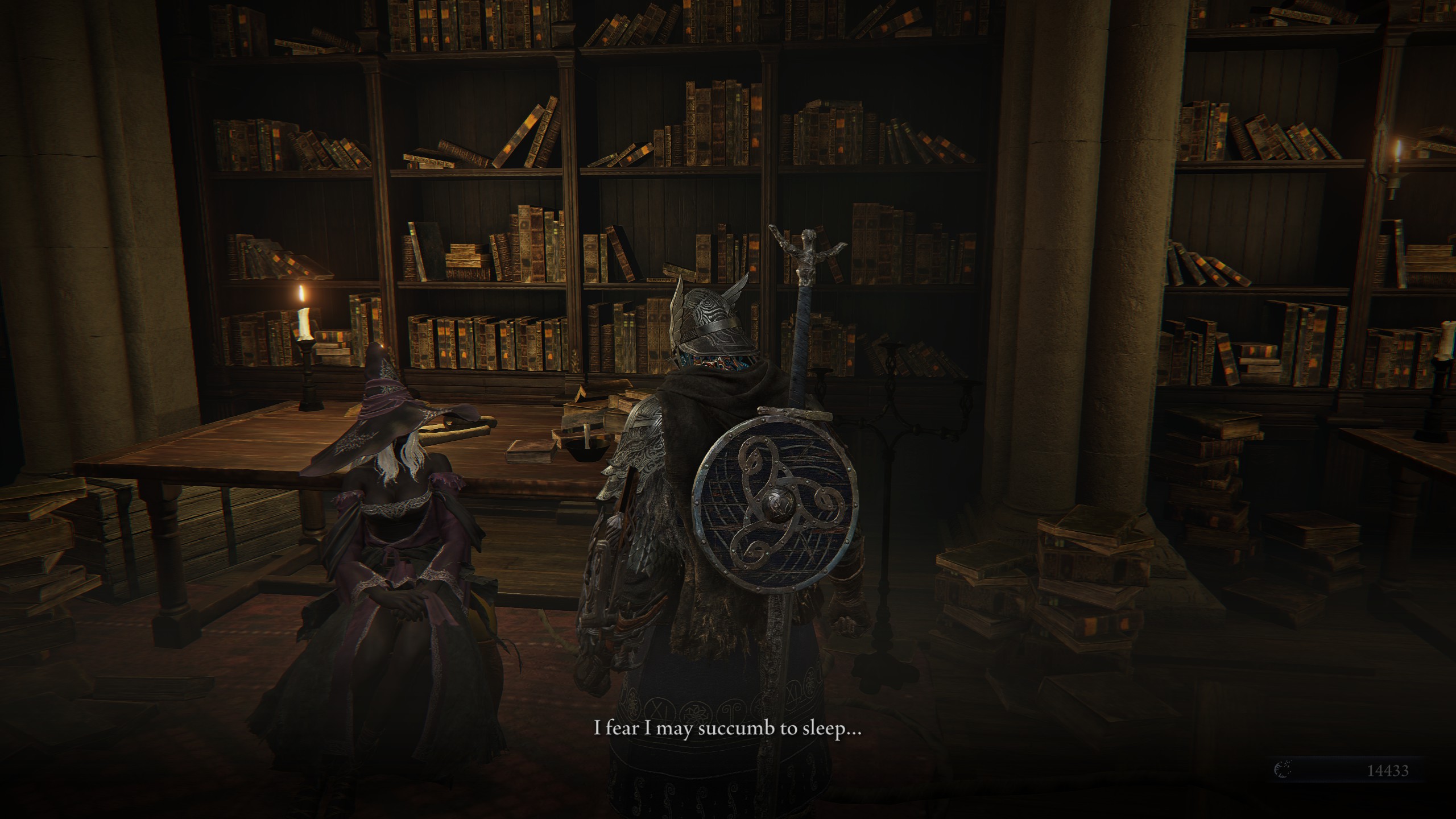
The reason runs in Nightreign are such a frenized tear is because your only chance at success is to be extremely quick and extremely efficient with the limited time you have. During a run, you will have to level up, find good weapons (which often means weapons imbued with the element to which the final boss is weak), upgrade those weapons, kill bosses for their unique boons, and acquire additional Estus Flask charges (i.e., increase the amount of times you can heal). If you take too much time to kill trash mobs, contemplate gear changes, or—god forbid—inspect the environment, you are going to find the bosses to be extremely difficult. The more you fall behind, the more you will continue to fall behind, as your weakened character will be slower to complete tasks than if you had juiced yourself properly. This means that success in Nightreign is often less a reflection of your combat acumen—as you might expect for an Elden Ring spin-off—and more a test of how fast you are at reading a map, crossing terrain, comparing gear, and choosing targets. It is, of course, also a test of your combat acumen—you are unlikely to be successful if you are not already fluent in FromSoft-style combat—but the structure and nature of Nightreign emphasize other skills, in addition to combat, and allow you to lean on your teammates in a way seldom experienced in, for example, Elden Ring.
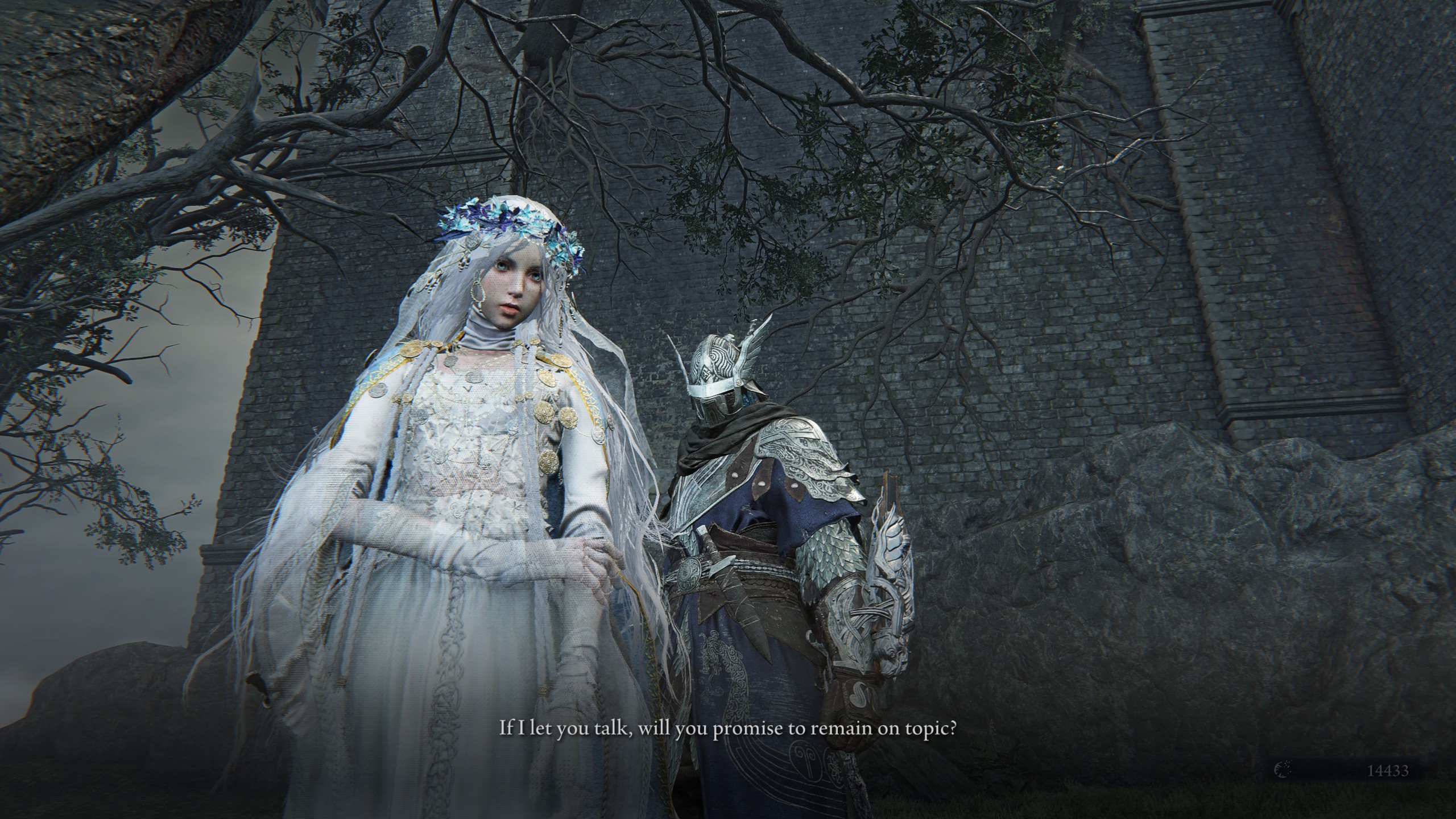
If you evaluate Nightreign as a successor to Elden Ring, it is unmistakably a failure. Nightreign’s writing is a pale, embarrassing imitation of that of Elden Ring; its gameplay offers only glimpses of the incredible highs of FromSoft souls games; and its map is a sad facsimile of the unforgettable Lands Between. In many ways, it feels less like an official spin-off of Elden Ring and more like a multiplayer fan mod; this would certainly explain the game’s considerable jank factor and goofy fanfic/fanservice-style writing. And so I instead invite you to evaluate it as such. Under this evaluative lens… it’s pretty good!
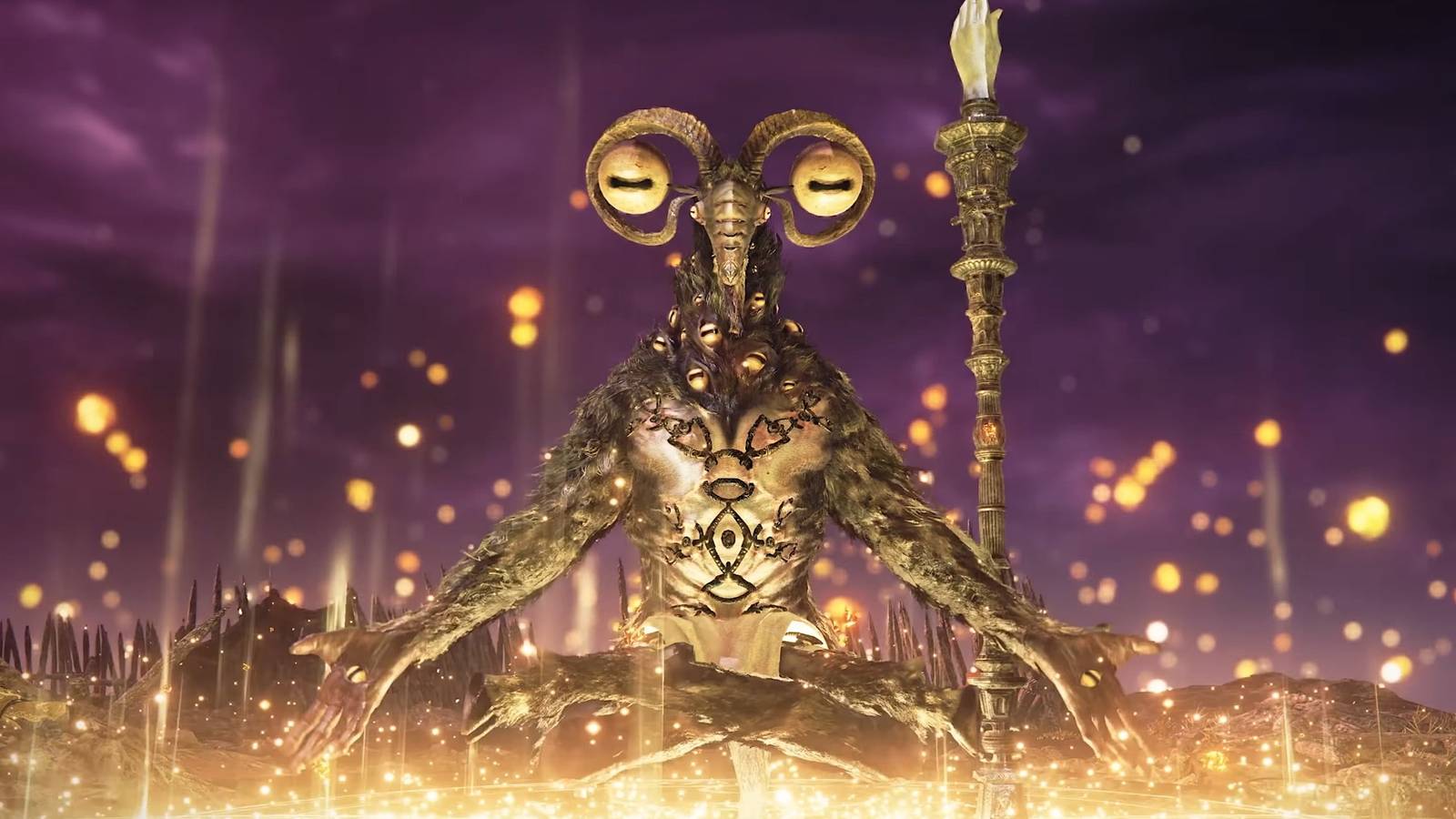
My discussion of this game so far has elided one especially-important fact: it is fun as hell to play with friends. Once you get used to the breakneck pace that it demands and you develop the extremely game-specific skills necessary for success, runs can be deeply satisfying. No matter how much you play, the game still remains fairly difficult and so final boss fights continue to offer tension and drama, even after a couple dozen hours. Just as in other FromSoft games, the bosses don’t seem to know exactly how to behave when faced with multiple targets, and so this can make them behave erratically—sometimes in their favour, other times in yours. To account for their poor odds in facing three opponents, bosses tend to be tuned to be extremely difficult, having way too much health and dealing way too much damage, even to a fully-leveled character. These are deeply-inelegant approaches and solutions and would be rightfully- and ruthlessly-critiqued in any other souls games, but this is not a souls game. It is an opportunity to mess around with your friends and kill the Centipede Demon seventeen times. There are many things about Nightreign that I dislike, even beyond the things already intimated here.18 But it is also a deeply interesting, unique, and bizarre multiplayer experience that has been extremely entertaining to play with friends. It has many clever ideas for how to transpose a single-player action RPG into a multiplayer action non-RPG19 and, despite everything, it still manages to produce much of the spectacle and tragedy we expect from playing souls games. In some ways, what I am reviewing here is not Elden Ring Nightreign, but the concept of friendship itself; and for me, that’s a strong 9/10.20
THE ROOTTREES ARE DEAD
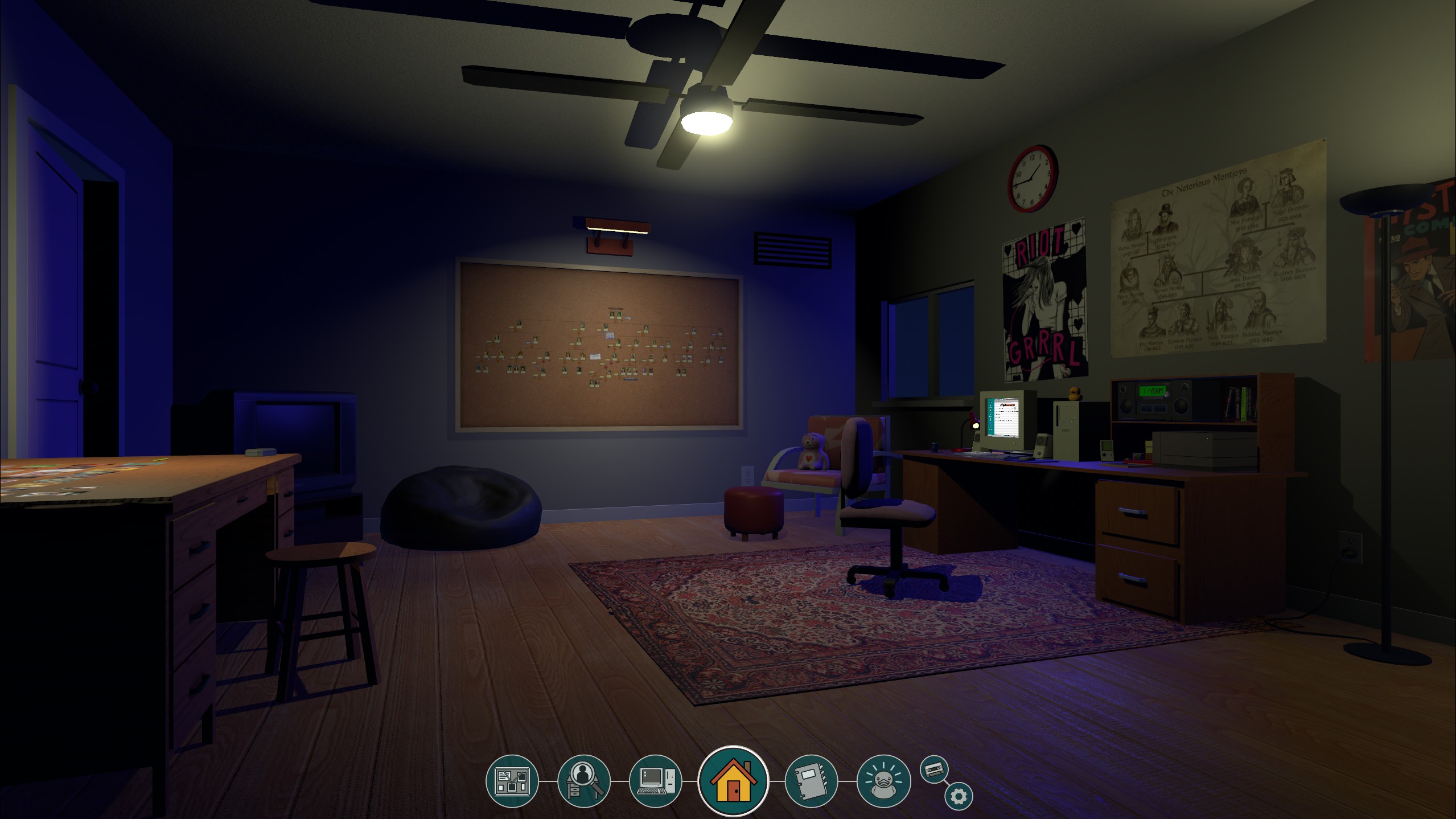
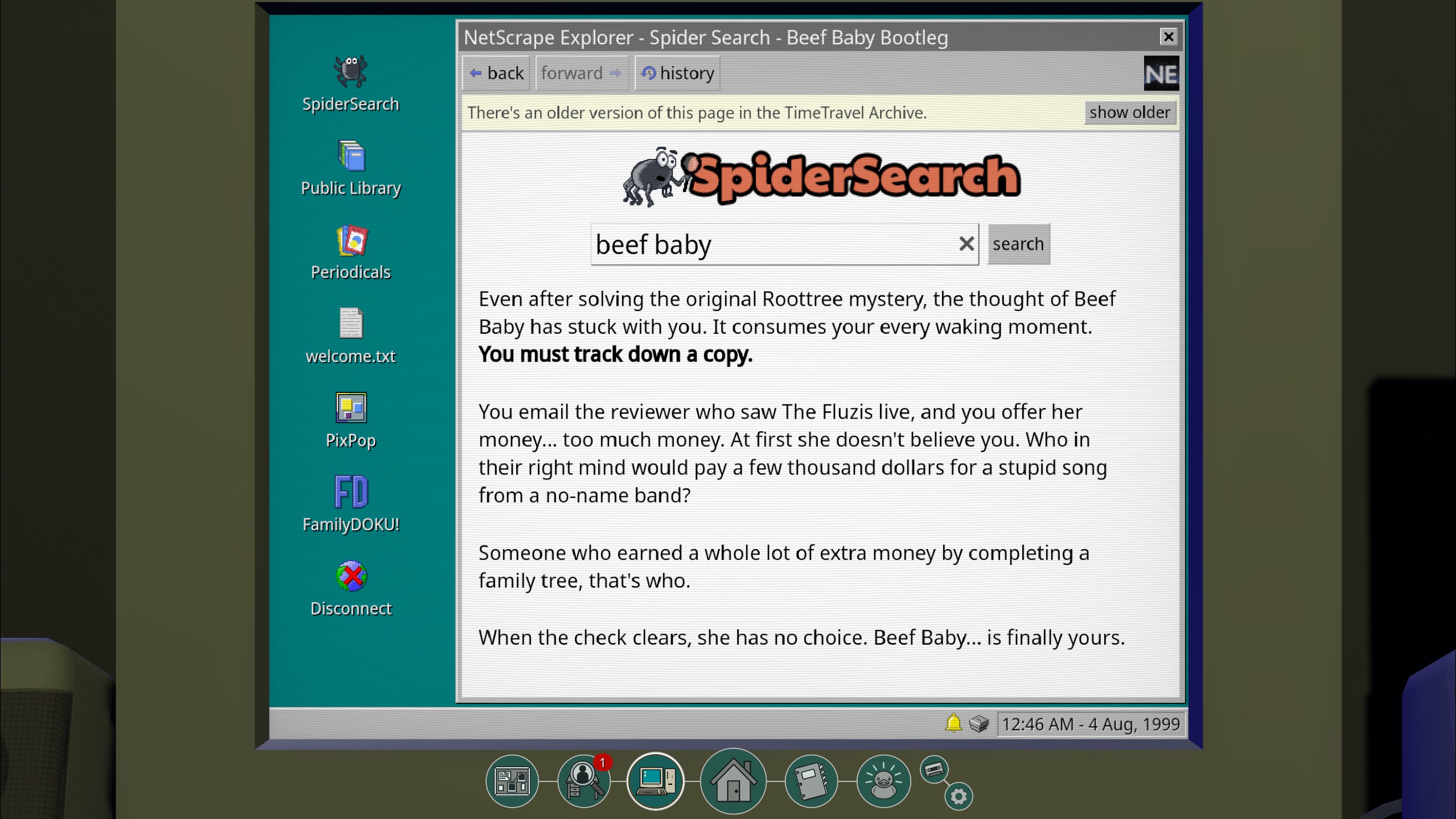
The Roottrees are dead. You know, the candy magnates? Their private jet went down and killed the company’s president, Carl Roottree, along with his three daughters. Now there’s a small nation’s GDP worth of inheritance up for grabs and people are coming out of the woodwork to claim some distant blood relation. Some of them are just hoping for an easy cash grab but others… It’s a big family with a long history and a lot of secrets. Maybe some of them really are Roottrees.
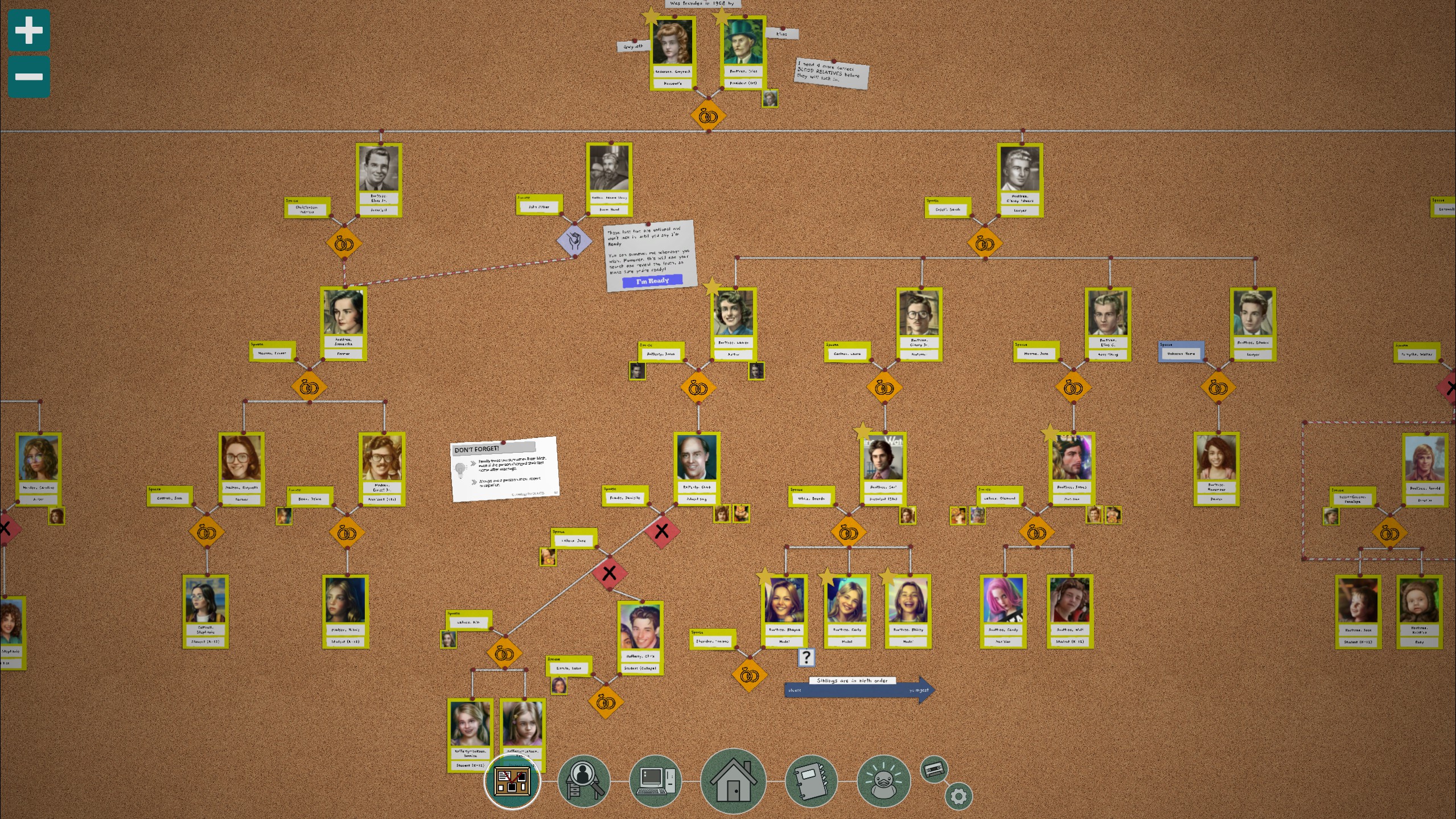
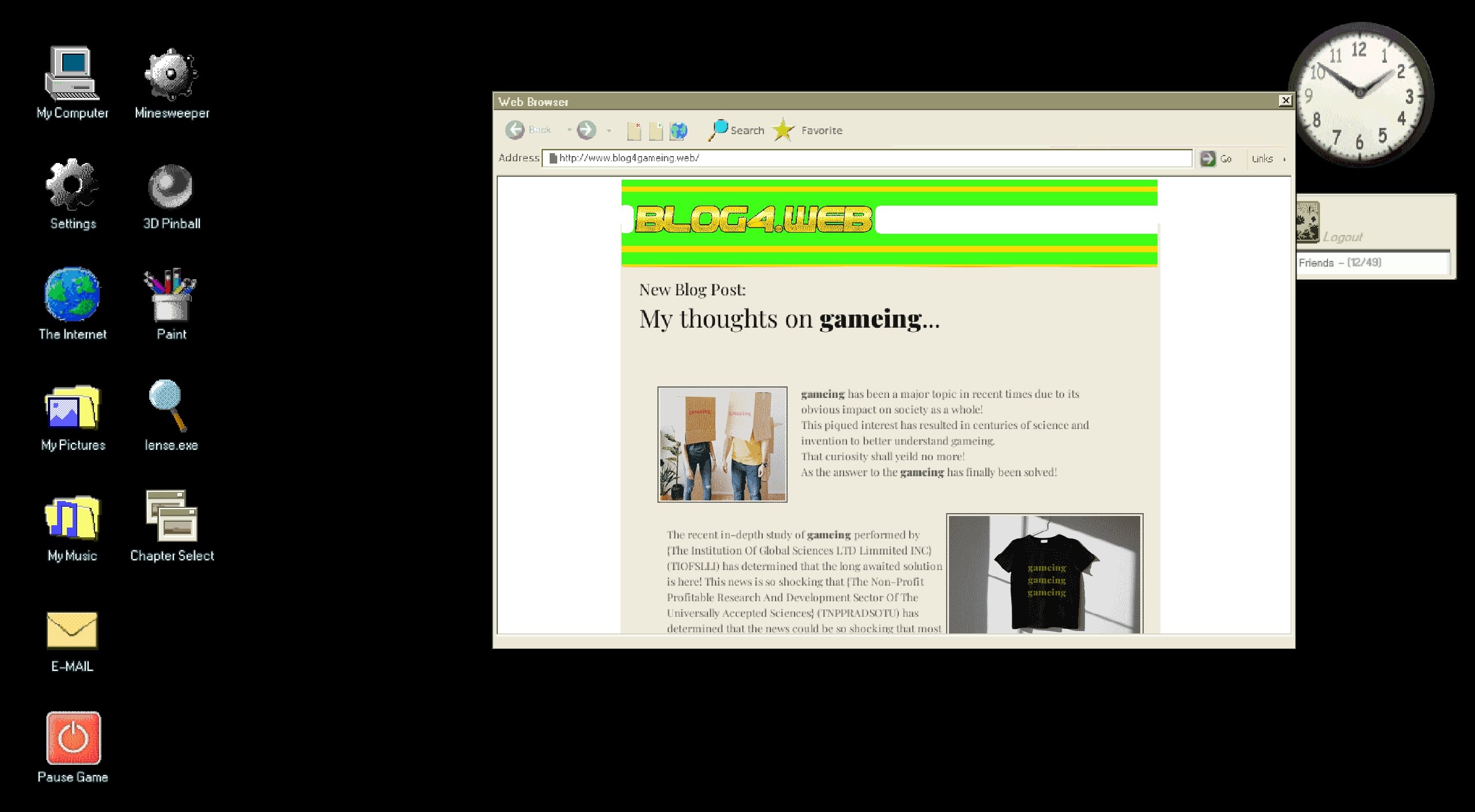
The Roottrees Are Dead takes place in 1998 and tasks the player with filling out several generations of the Roottree family tree, complete with their photos, occupations, and spouses. Your primary tool for this task is your personal computer, complete with Windows 95, access to the library, and an endearingly-Web 1.0 simulacrum of the internet. Using these resources, you will deduce the identities, occupations, and familial relations of dozens of people, uncovering their personalities, histories, and dirty laundry along the way. Over the course of the game, you’ll read magazine articles and biographies, inspect Christmas photos and candy advertisements, and listen to an actual original rap song.21
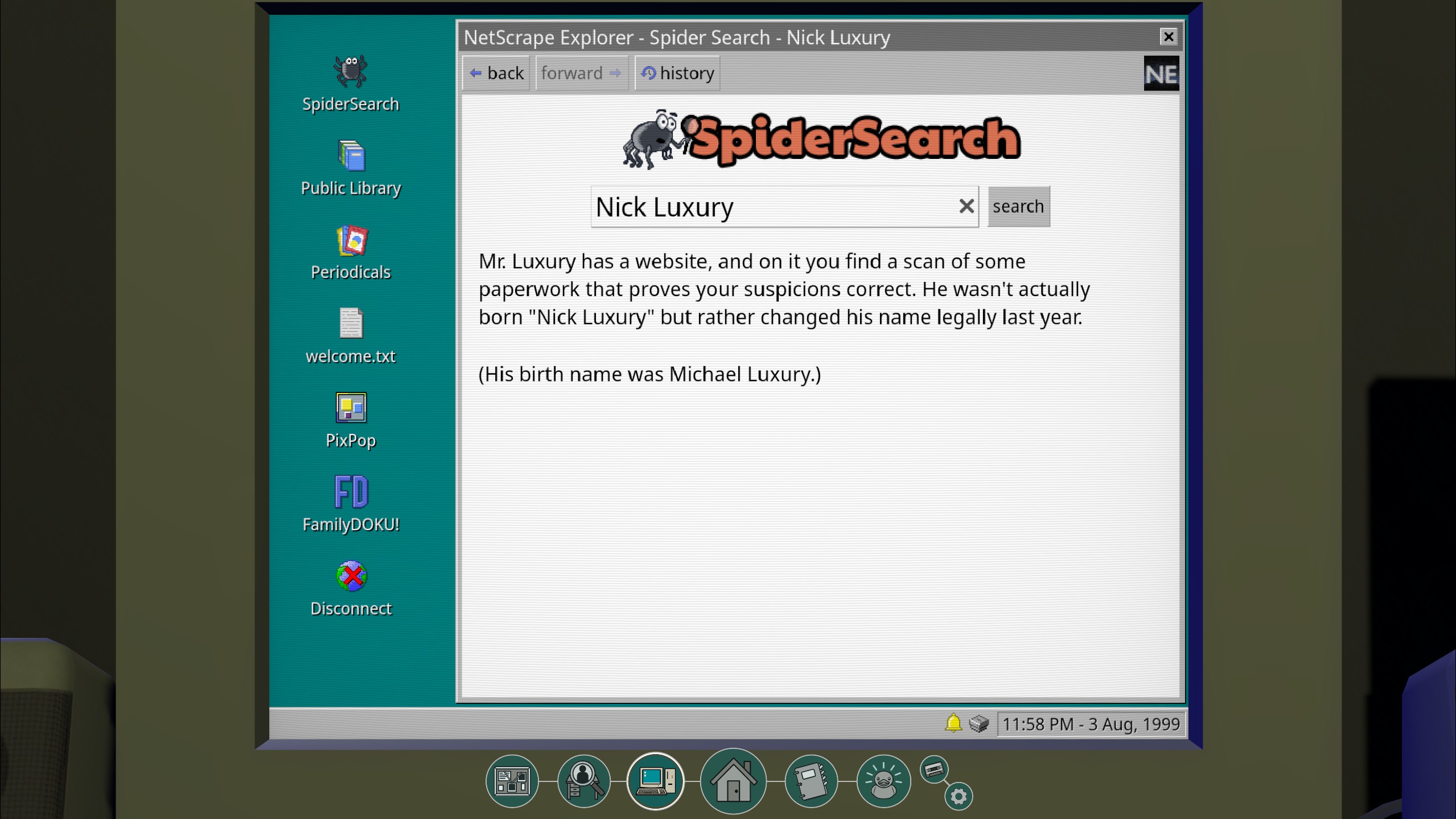
What ties every moment of The Roottrees Are Dead together is its overwhelming charm. Whereas other social deduction games rely far more on visual information than text to inform your investigations (e.g., Return of the Obra Dinn, The Case of the Golden Idol), Roottrees inverts the ratio. The game is absolutely taffy-packed with text—much of it technically unnecessary to read, though you don’t always know that while reading it—and it would be utterly unplayable were it not written with so much competence and verve. The characters and their relationships feel real and believable and in the 10 or so hours I spent with the game (and its considerable expansion) I felt that I had gotten to know nearly all of them. I knew what they were like, what they thought of one another, what they did in their spare time, and what their role was in the company. This sounds like a monumental feat but it is accomplished in a way that did not feel effortful or forced. At no point was I trying to learn about all of these characters, it was simply incidental to my investigation. The websites and articles and correspondence you read throughout are all infused with the distinct personality of their respective authors but are unified by being enjoyable to read, seldom long-winded,22 and simultaneously informative-but-not-too-informative-since-this-is-a-mystery-game-after-all. On the strength of this writing, it was incredibly gratifying to put the entire tree together and to feel that, yes, I am an excellent genealogical detective and I do know the Roottree family better than anyone.
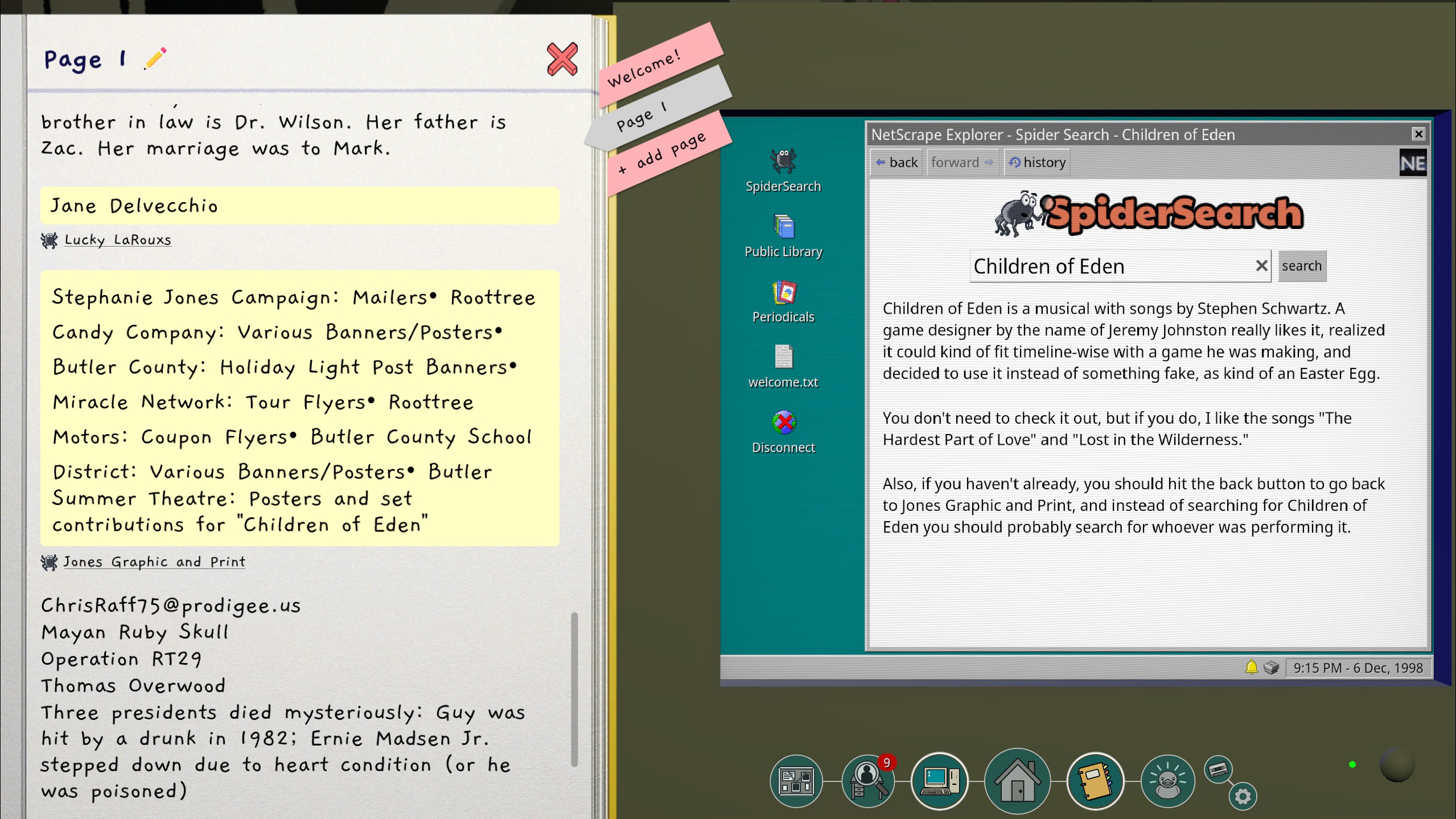
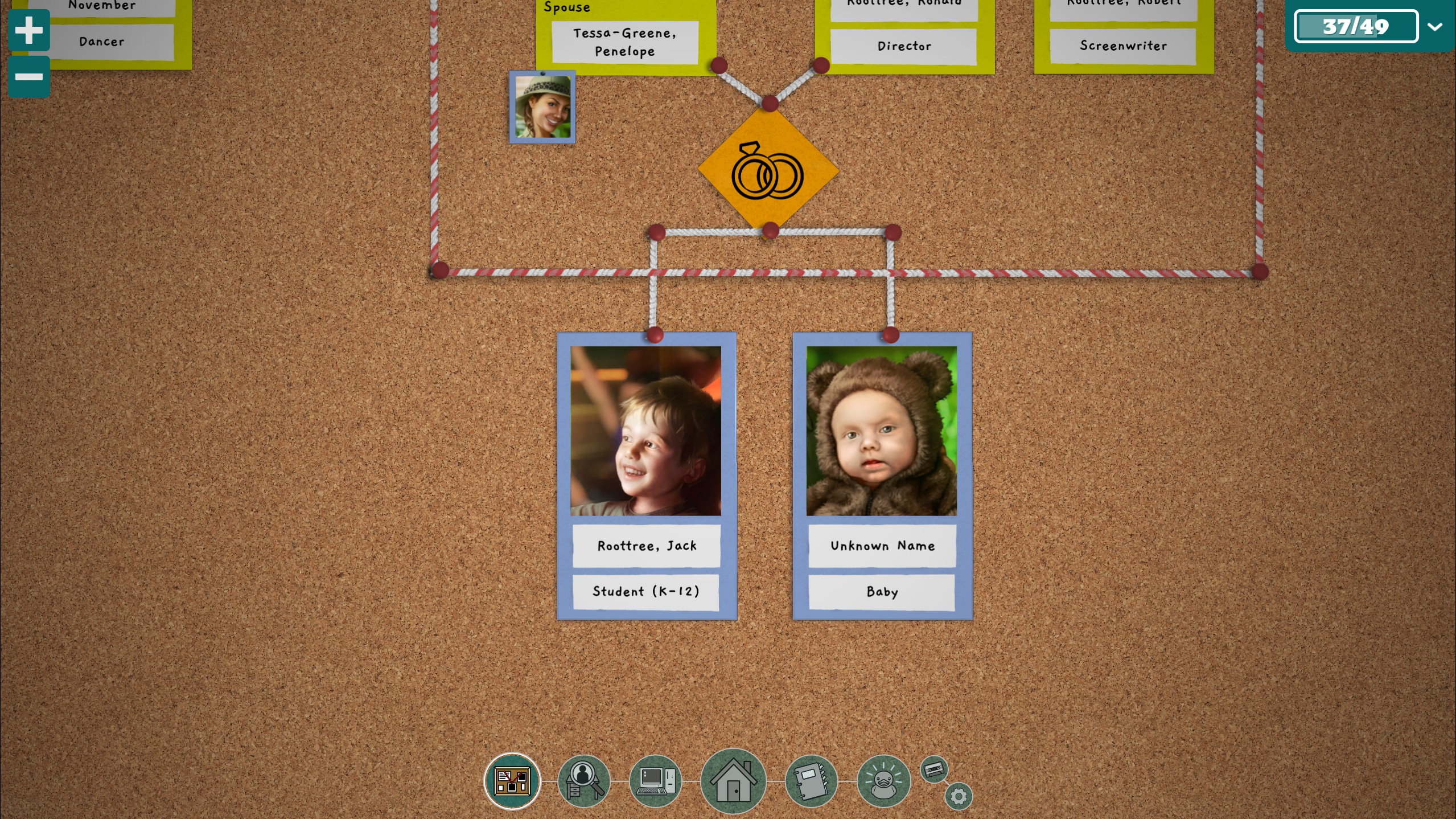
The game is mildly janky in some places but that is very understandable and easily forgivable, given its unique development history. Despite the limited resources, I found the game to be nonetheless rich and full-featured.23 Even its music, much of which was used for free under a creative commons license, feels perfectly-suited to the game and is shockingly-unannoying despite being on a constant loop for the entire playtime.24 Compared to its natural bedfellows like Obra Dinn and Golden Idol, I did find the Roottrees base game to be a bit on the easy side, though that may also just be a testament to how much attention I paid to the characters and dialogue and documents. The Roottreemania expansion, on the other hand, felt a little too frictive at times, a little less polished than the base game. It was still a welcome challenge though and I was happy to spend more time with these characters and uncover even more of the family’s secrets. I consider it to be an incredible accomplishment to have written a story this intriguing with believable twists and a satisfying ending, all while inviting me to believe in a world where a family of candy magnates are celebrities, tastemakers, and cultural icons. Would that we could all live in such a world.
WHO’S LILA?
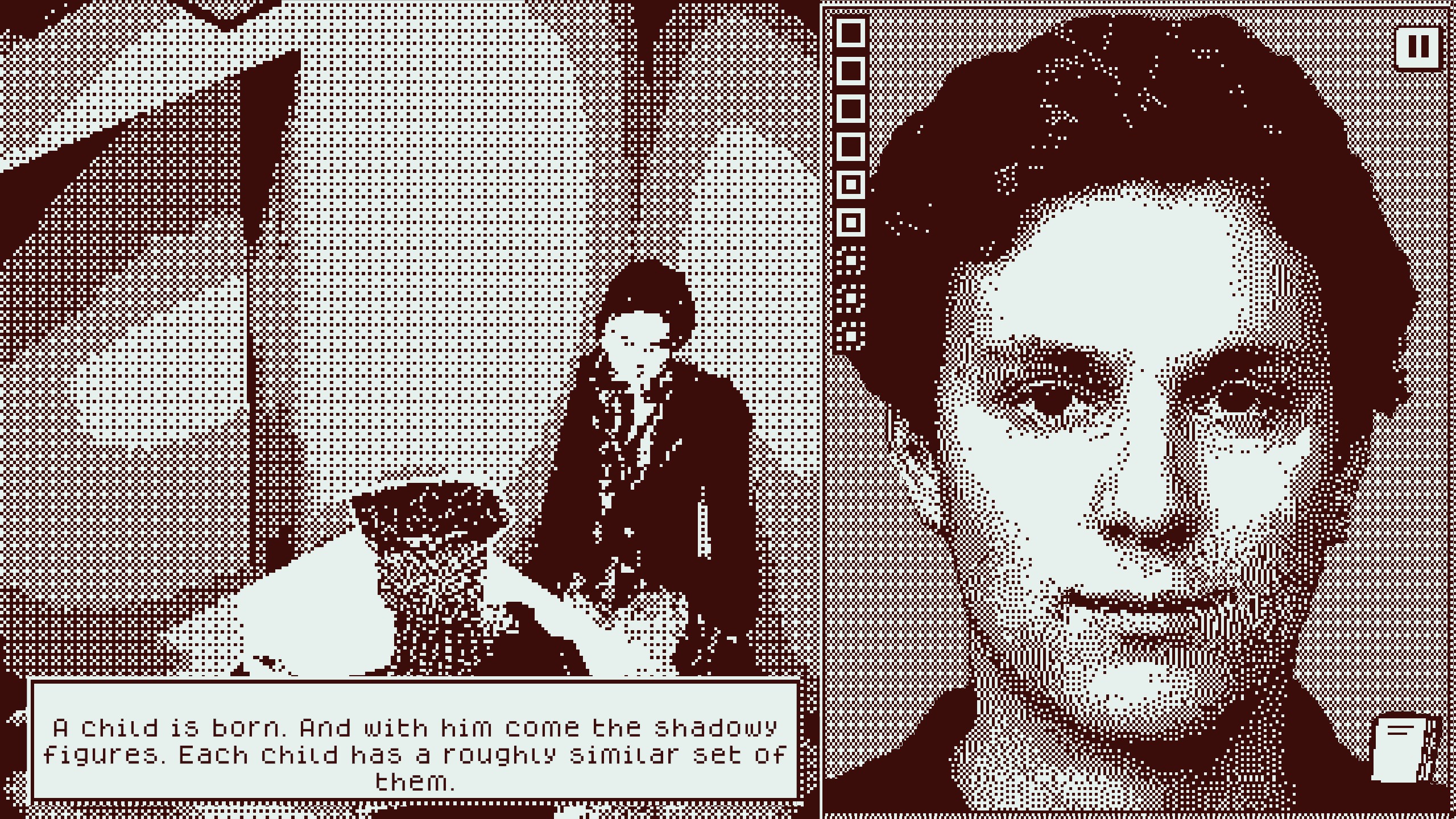
On the topic of detectives, Who’s Lila? is a game that seeks to remind you at every turn that You are a detective. It is a game about stories and it is a story about games. It takes seriously the idea that attention, thought, and curiosity have real power, and that to attend to something is, in some ways, to create it. It is also a game that at times irradiates such sickening malice that it feels like it would reach out and throttle you if it could do so without starving itself.
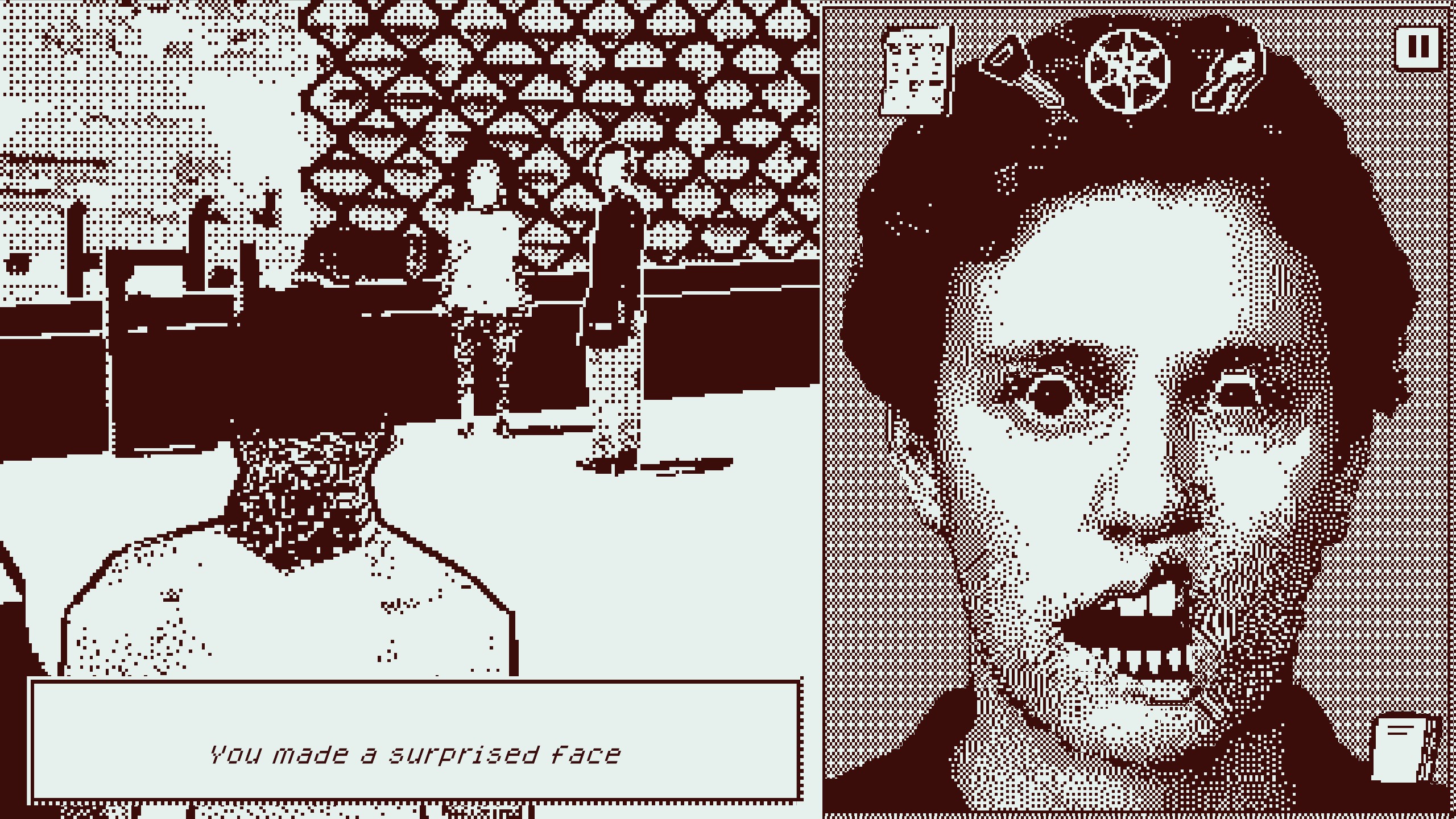
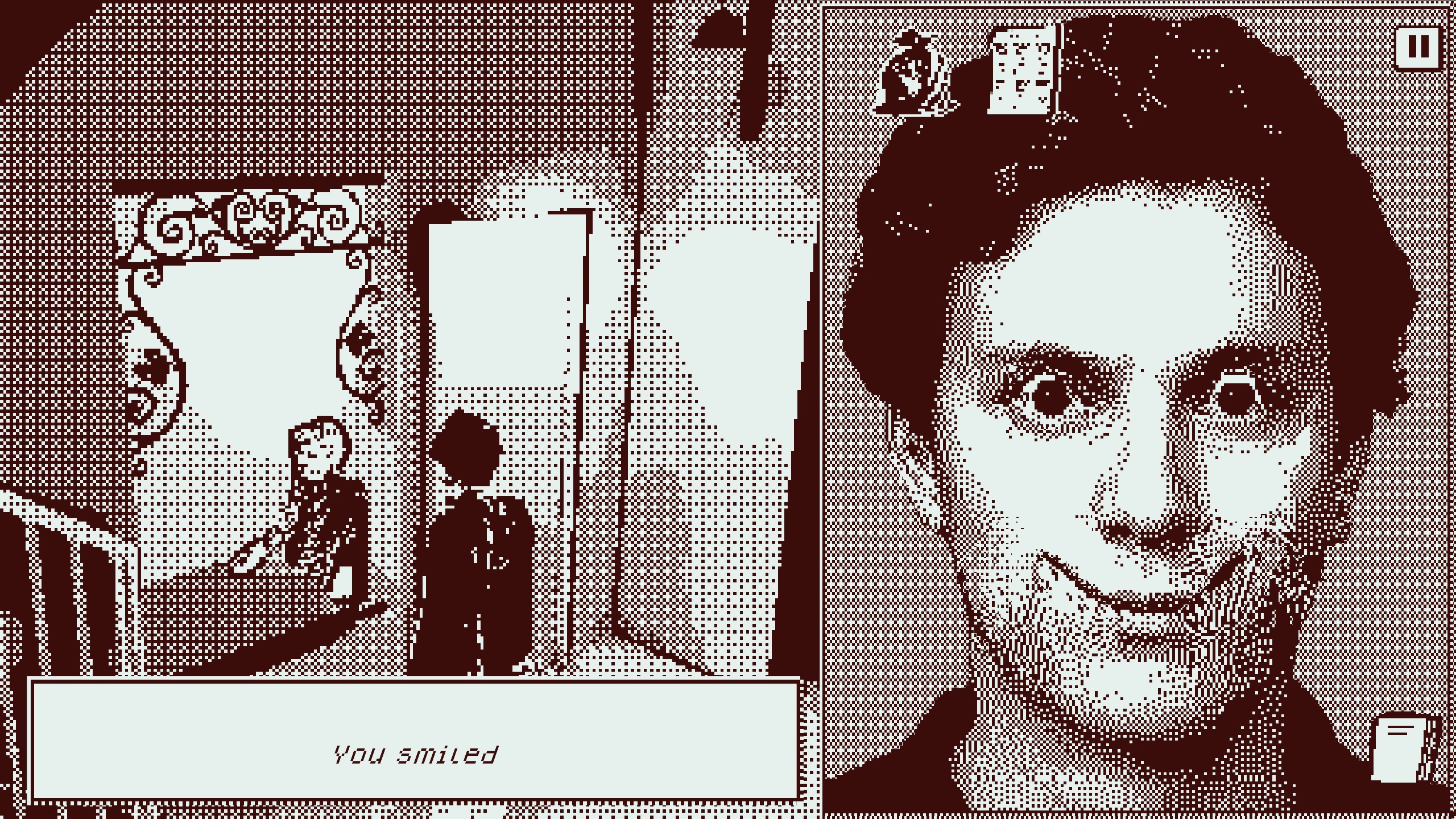
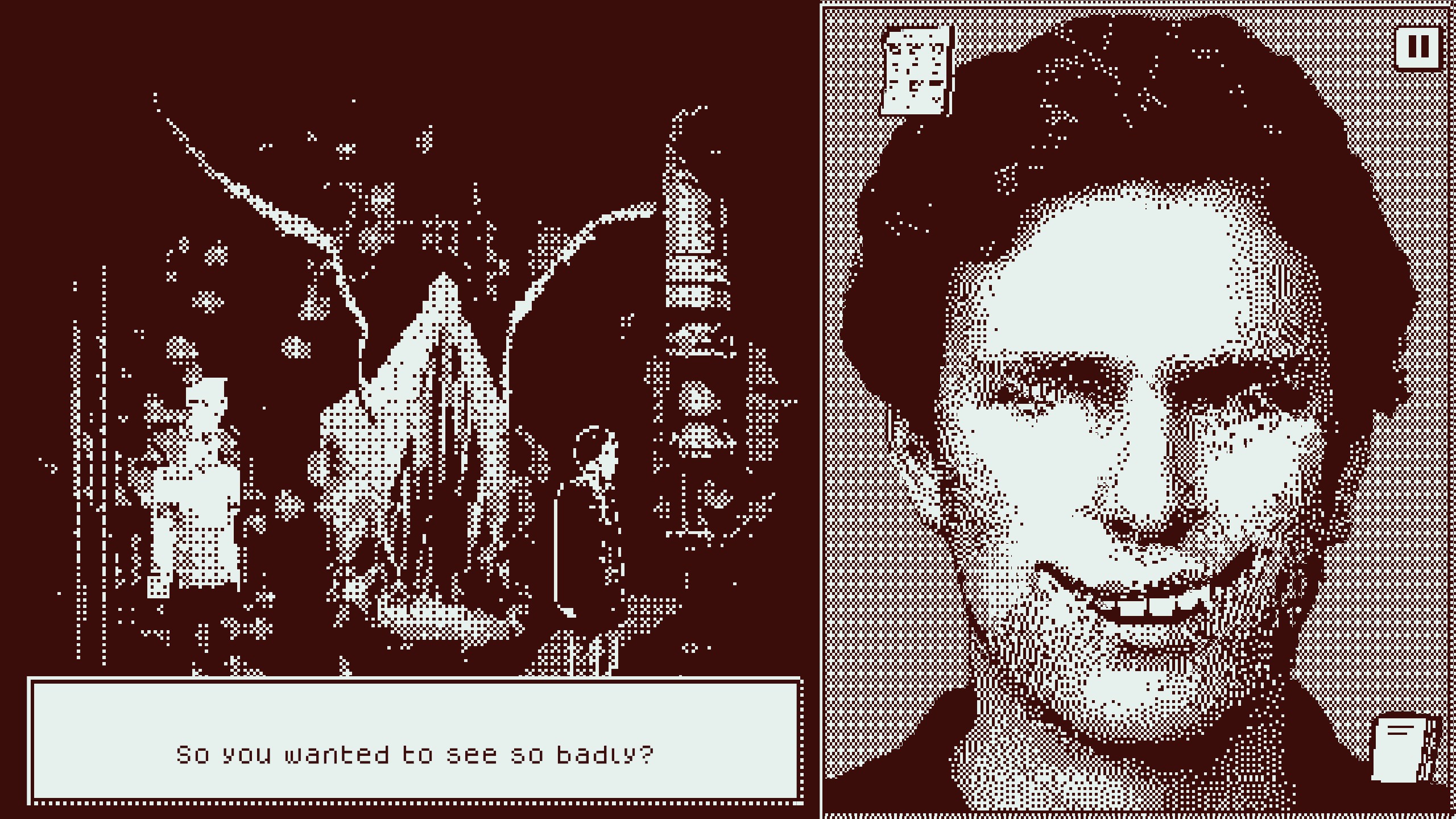
It begins with an intriguing if simple premise and mechanic: Your character, William, has difficulty expressing his emotions. Whereas others naturally emote in a way that is line with their affective state, William must effortfully and intentionally control every muscle in his face to express himself. At all times while playing Who’s Lila?, about 40% of the screen is composed of a character’s face—typically William’s, so that you can physically manipulate it into the expression suitable for the context.25 Once you’ve practiced these expressions in the mirror, you help William take out the trash, chat pleasantly with his landlady, and head to school.
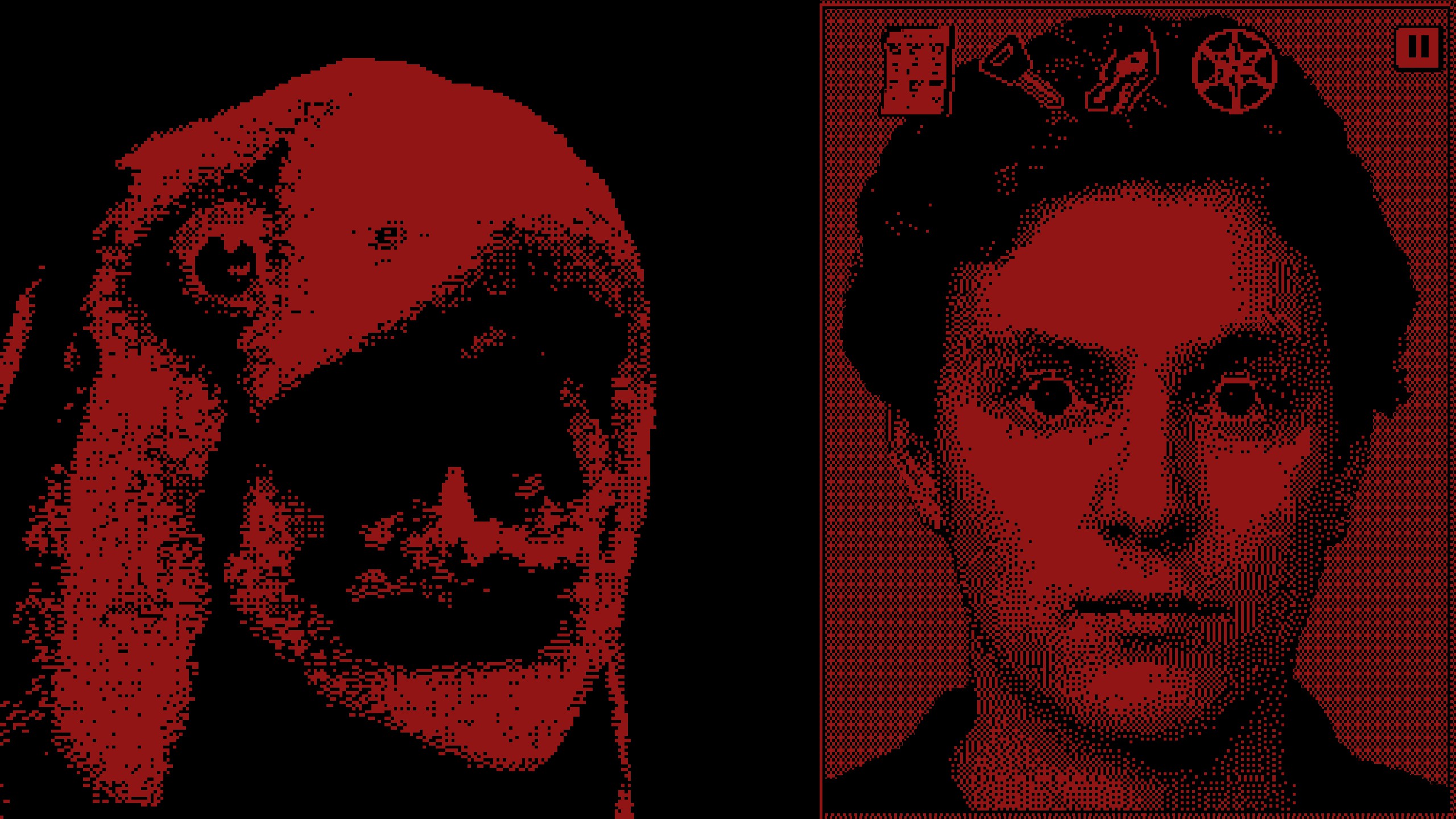
Unfortunately, that is about all I can tell you about Who’s Lila? It is a short game and much of its strength is in its capacity to surprise—and it will surprise you. It is a violently-ambitious game, matched perhaps only by its utter audacity. Its tone vacillates between every extremity of affect and arousal, variantly offering you strangeness and beauty and melancholy and disgust. The story is immediately engrossing, the music is sparse and beautiful and forlorn, and its primitive art style helps to sell the game’s frightening and alien vibe. Its primary mechanic, the manual control of facial features, is unique and novel, but it honestly barely even registers among the game’s other memorable offerings. Because of its breathless insistence on experimentation, Who’s Lila? often moves on from a particular idea, mechanic, or story beat before it has been fully-explored, but this too feels like an important and deliberate aspect of the game’s narrative. It only feels like a weakness because of how interesting these ideas and mechanics tend to be.
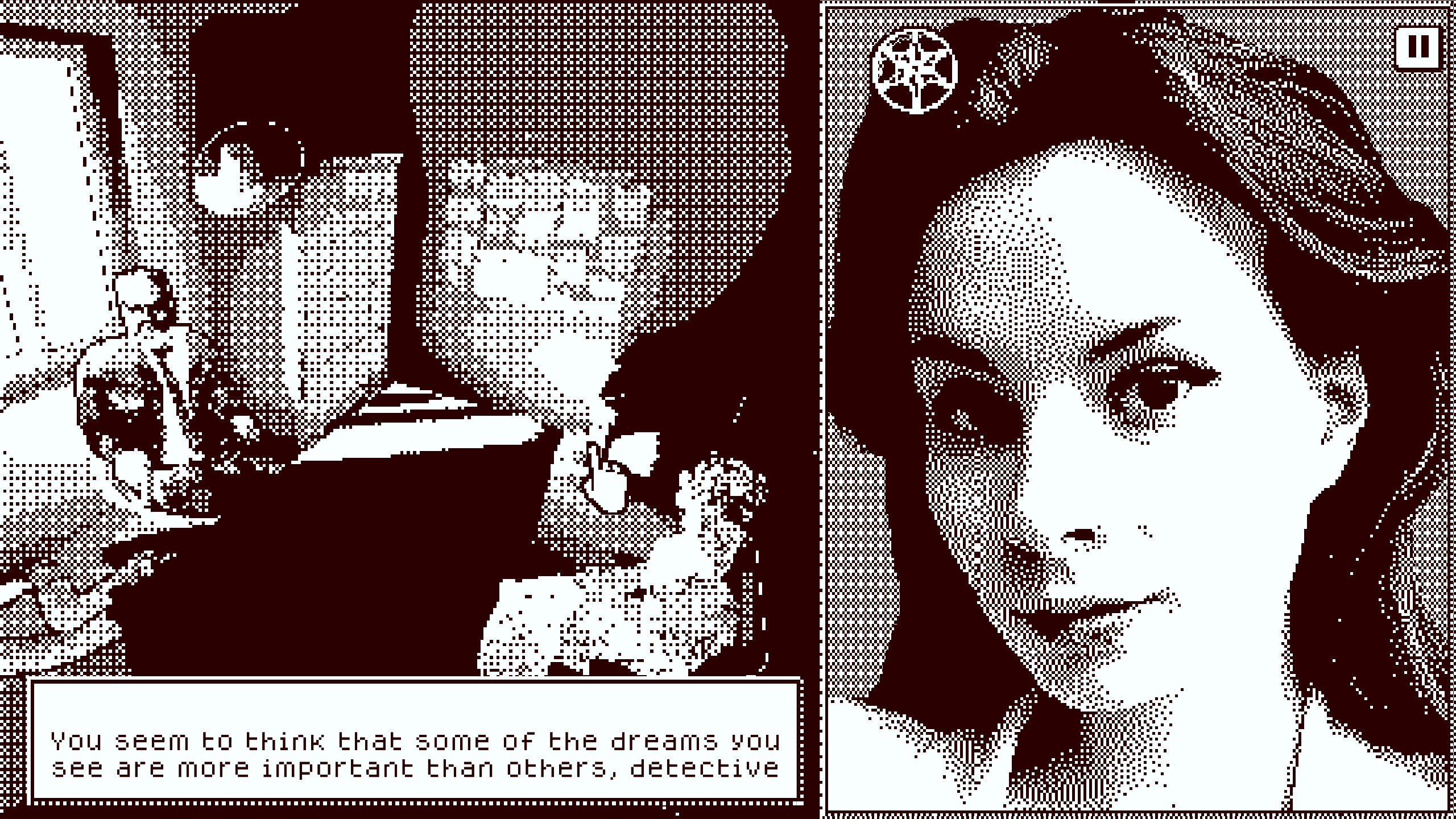
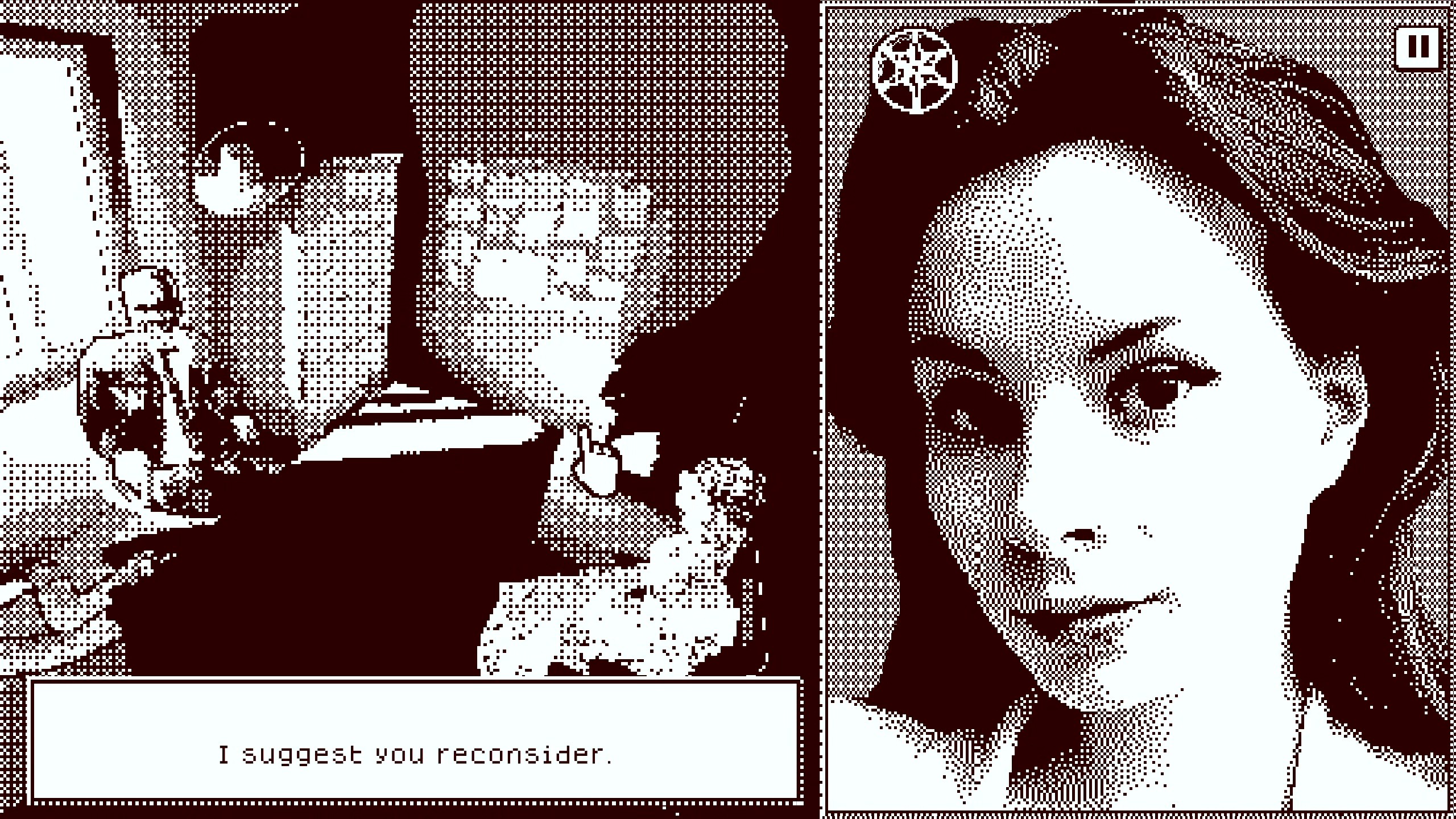
Despite the game’s occasionally-awkward translation from Russian to English, I found its writing and dialogue to be shockingly effective and haunting, evocative despite being remarkably-subdued. I loved the game’s meditations on metaphysics and identity and it also strives for what I consider to be one of the gold standards in game storytelling, which is treating the nature of games as software as crucial to the narrative, rather than onerous or incidental.26 And, yes, I do love the narrative and the meta-narrative in Who’s Lila?, but that is so for many games. What is unique about Who’s Lila? is that the game often felt like it was speaking to Me—not The Player, but Me. I imagine that this is the intended experience and that many felt this way but it just so happens that the game spends quite a bit of time contemplating things highly-relevant to my personal life. Many players felt that the game was addressing Them, I’ve no doubt, but probably very few of them have published work investigating the same topics and presenting similar theses.
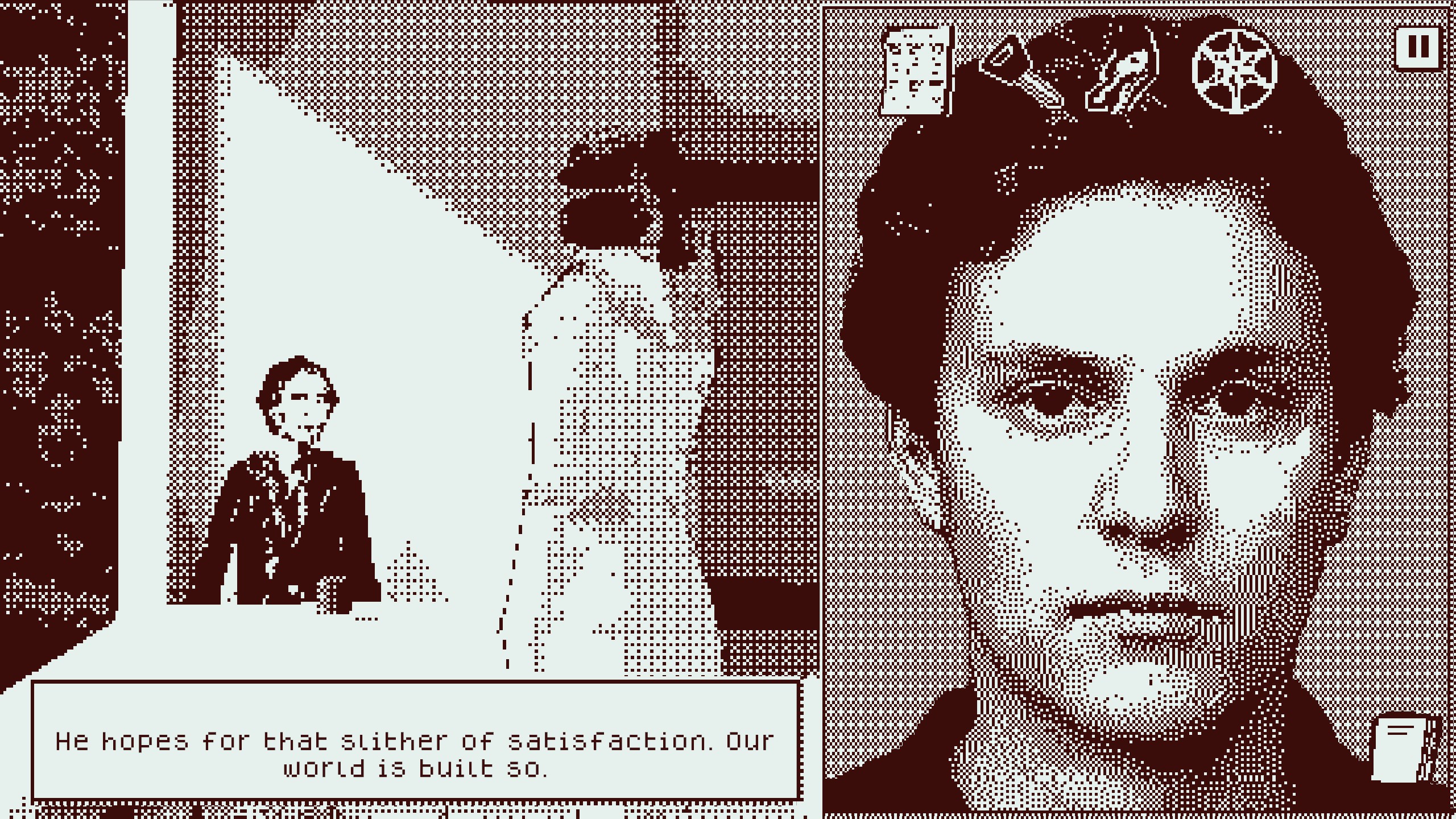
This review likely reads as somewhat hyperbolic, given that its subject is a one-bit game whose entire contents can be seen in around five hours—and perhaps that is so, as a bit of over-enthusiasm is my wont. But I do think that Who’s Lila? is punching far above its weight class, given its size and nature: few games leave this much psychic residue on me, but it is an especially impressive feat for a game developed almost-exclusively by a single person. If you are looking for a game, a story, a narrative that answers questions, then you will likely leave Who’s Lila? disappointed; if you are interested in a game that is willing to ask questions, however, then I think that you should try it. And, for what it is worth, it does answer one question: Lila is the mystery of not knowing who Lila is.
SILENT HILL F
I have never played a Silent Hill game. Well, that’s mostly true. I very briefly played some Silent Hill 4: The Room in 2004 when my friend Matt’s parents rented it for him and I slept over at his house. I didn’t have any money to rent games though and I didn’t own a PS2 anyway so I only got to see that freaky hole that one time. I also played the Playable Teaser for Silent Hills (aka P.T.) at my friend Jesse’s house, though I’m not certain that that counts either. He also gave that PS4 to his nephew so I don’t think it has P.T. installed on it anymore and it hasn’t been downloadable from the Playstation Store since 2015. Too bad: a few more years and his nephew could have used it to become the most popular kid at school. I’m pretty sure that’s how that would work anyway. What was I saying?
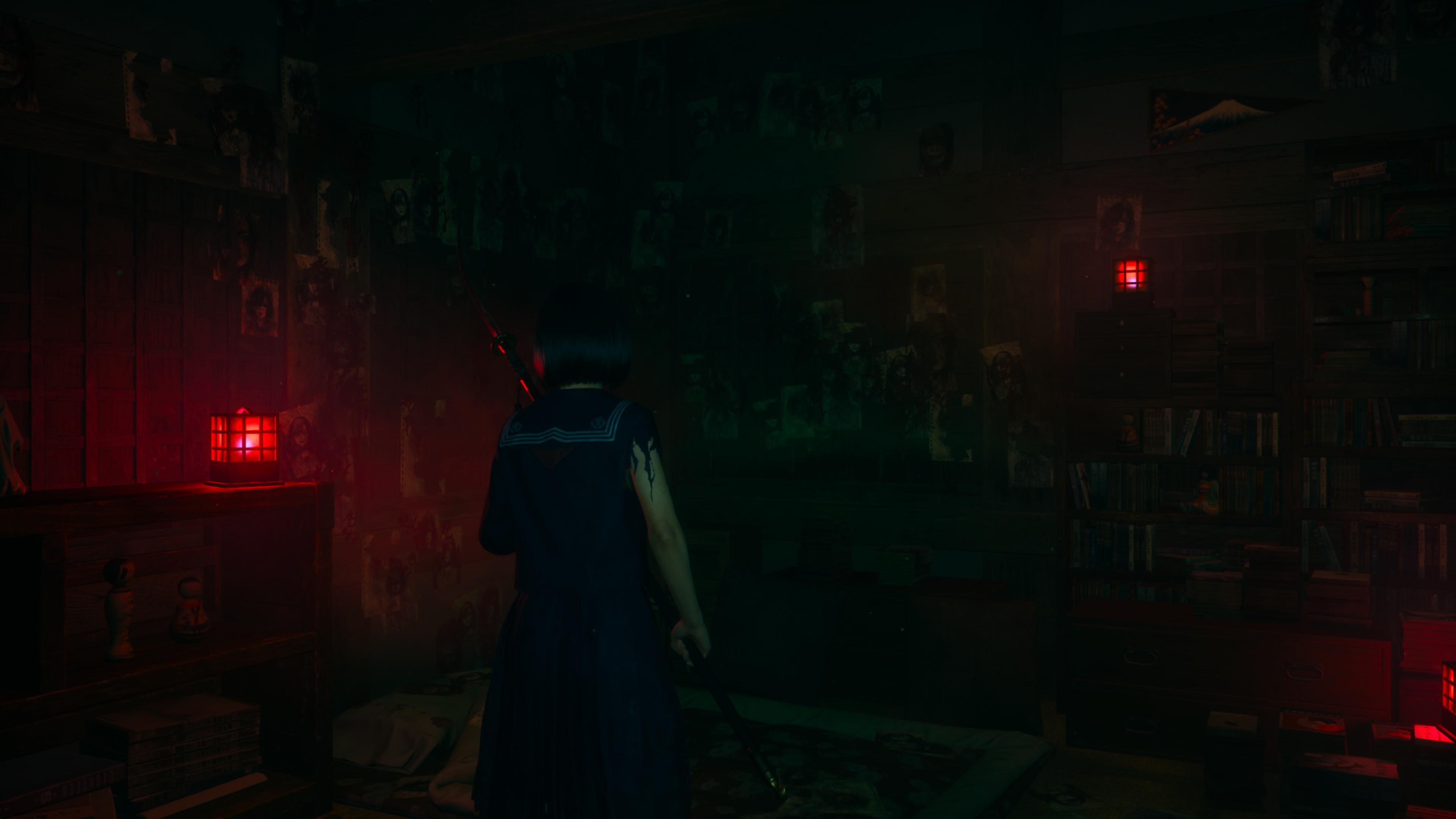
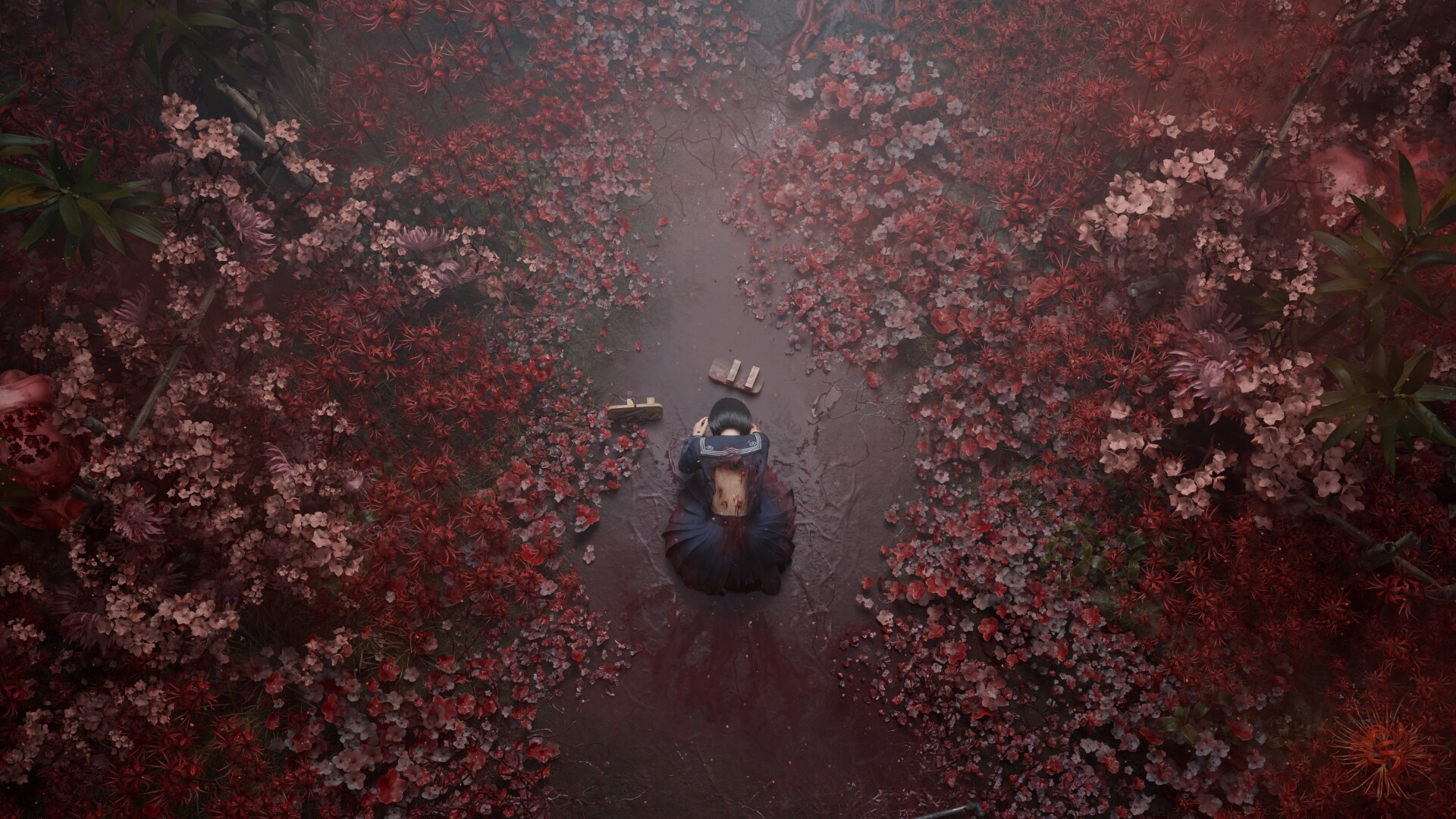
I first saw Silent Hill f when it was revealed in 2022 and was immediately struck by its tone and imagery. Set in 1960’s rural Japan, Silent Hill f promised to be a very different style of Silent Hill game, if similar in thematic content. Looking back on that trailer now, I can tell you that it is a very apt depiction of the game: Silent Hill f is wistful and lonely, beautiful and terrifying. The setting is familiar for those versed in Japanese horror but what the trailer does not portray is Silent Hill f’s alienation and paranoia. Each hour spent in Ebisugaoka is more oppressively-isolated than the last as the game’s protagonist, Hinako Shimizu, becomes less and less certain what others think of her, whether she can trust their intentions for her. Meanwhile, you, the player, develop a similar paranoia: Which of these scenes can I trust and which are the catastrophizing delusions of a teenager drowning in a pit of self-doubt? Something is clearly happening here—but what?
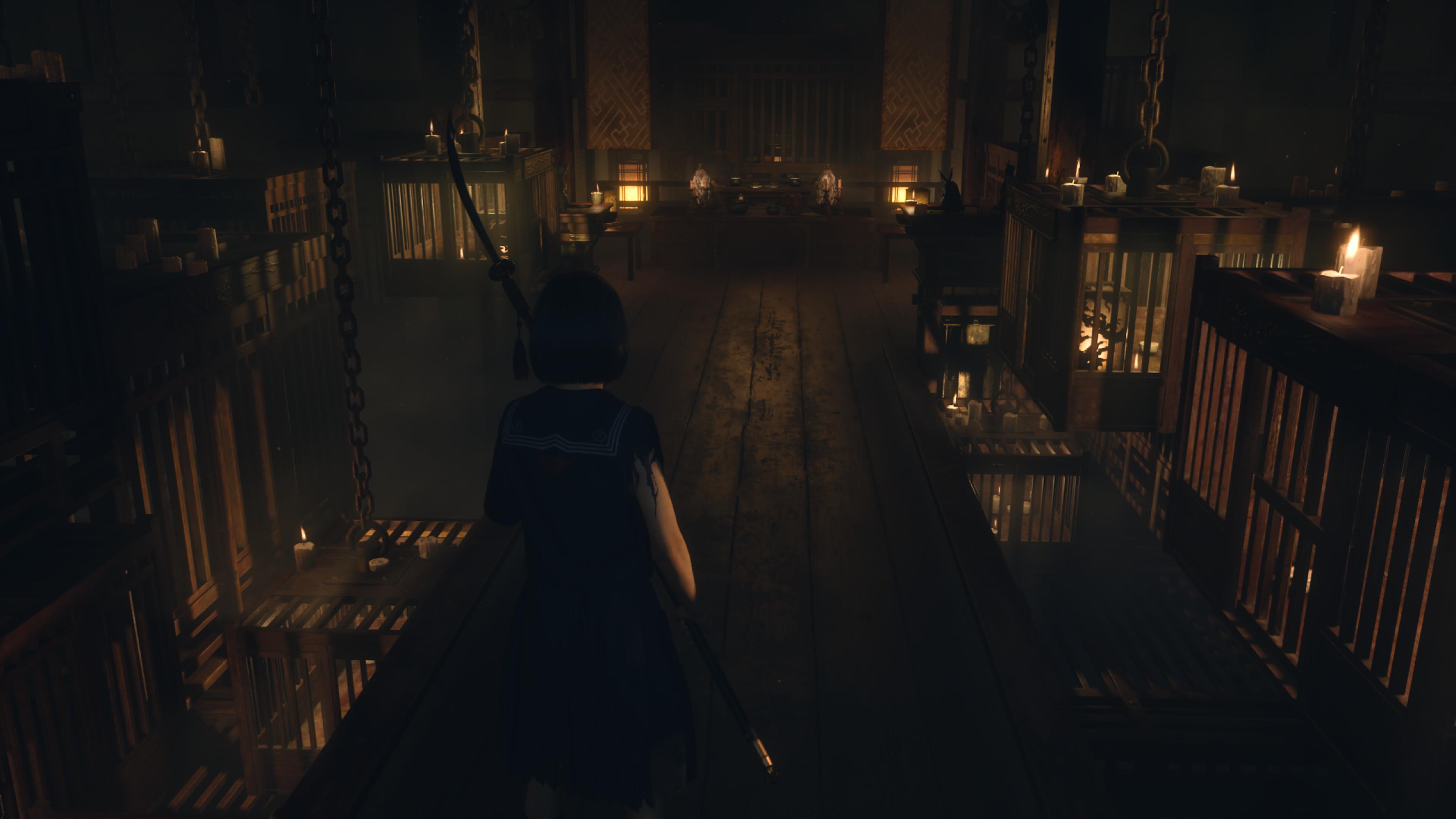
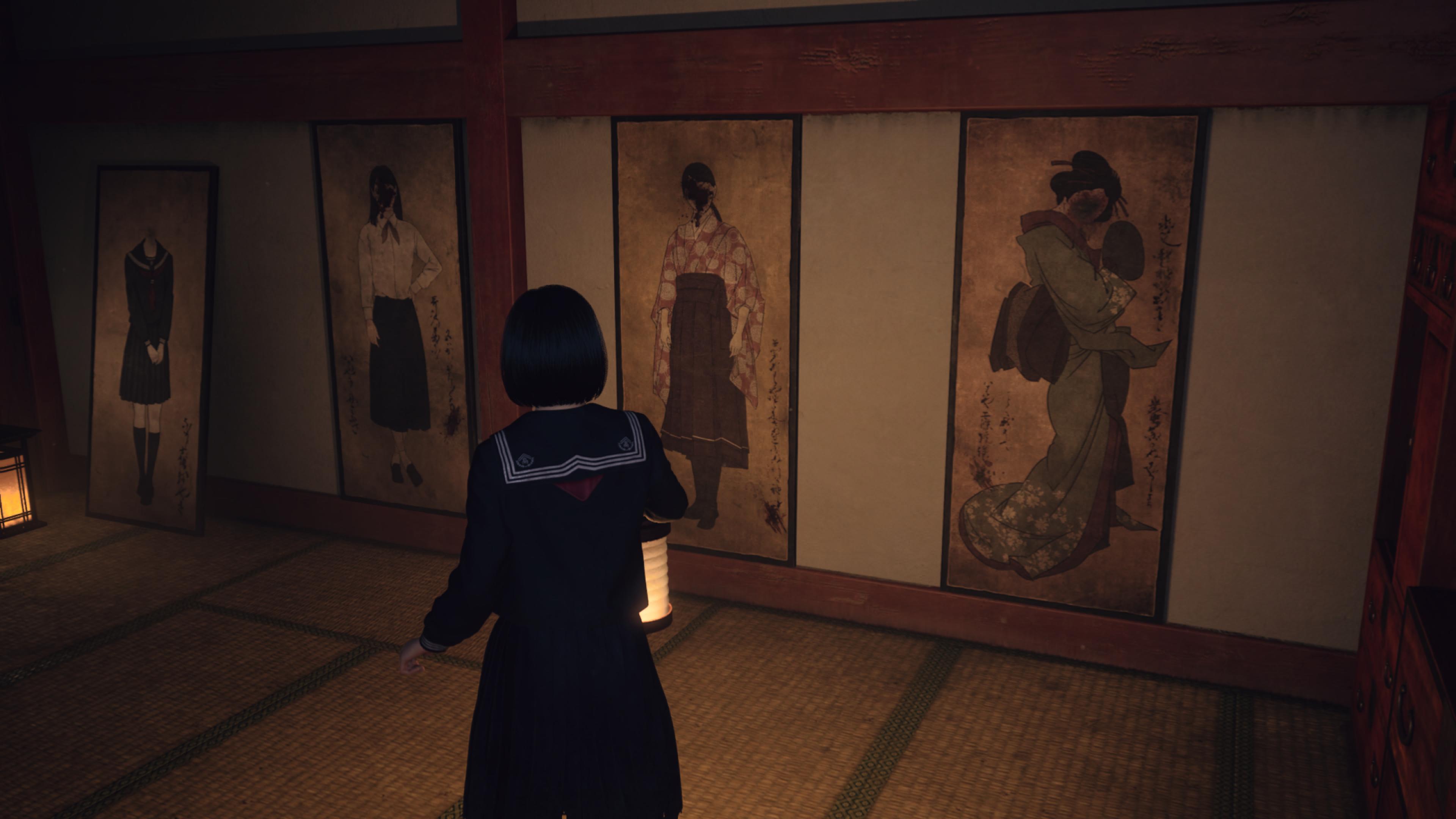
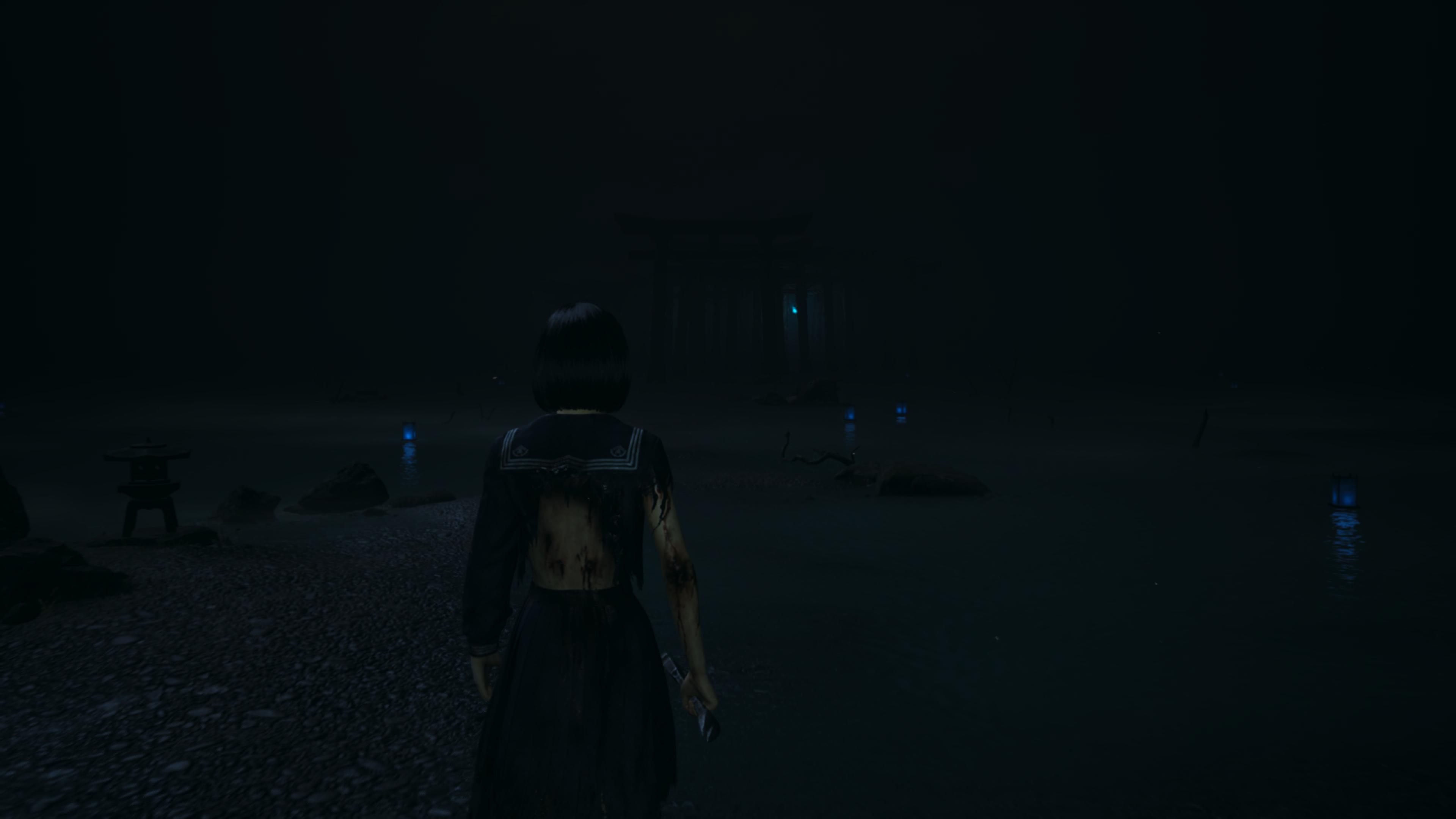
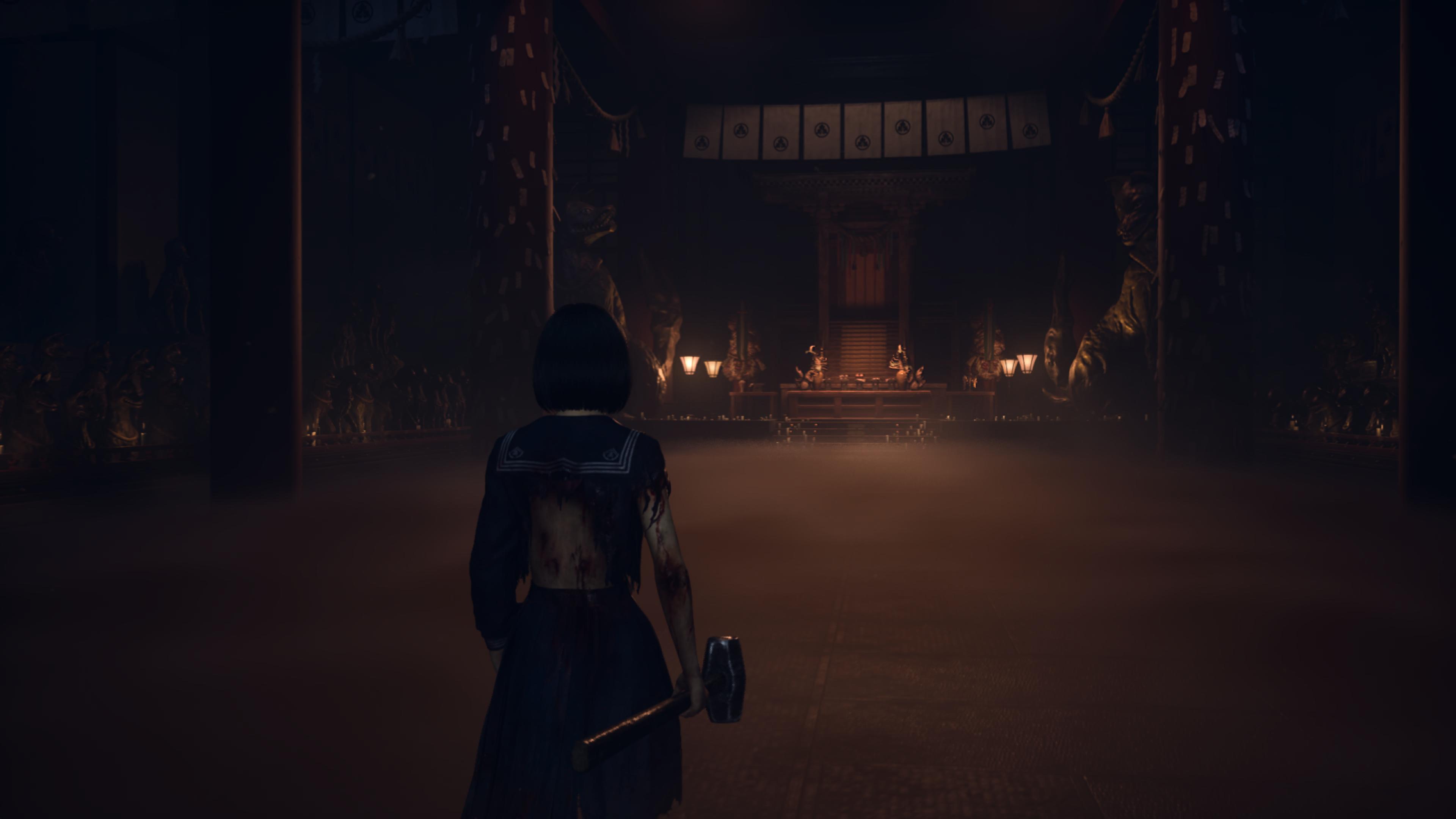
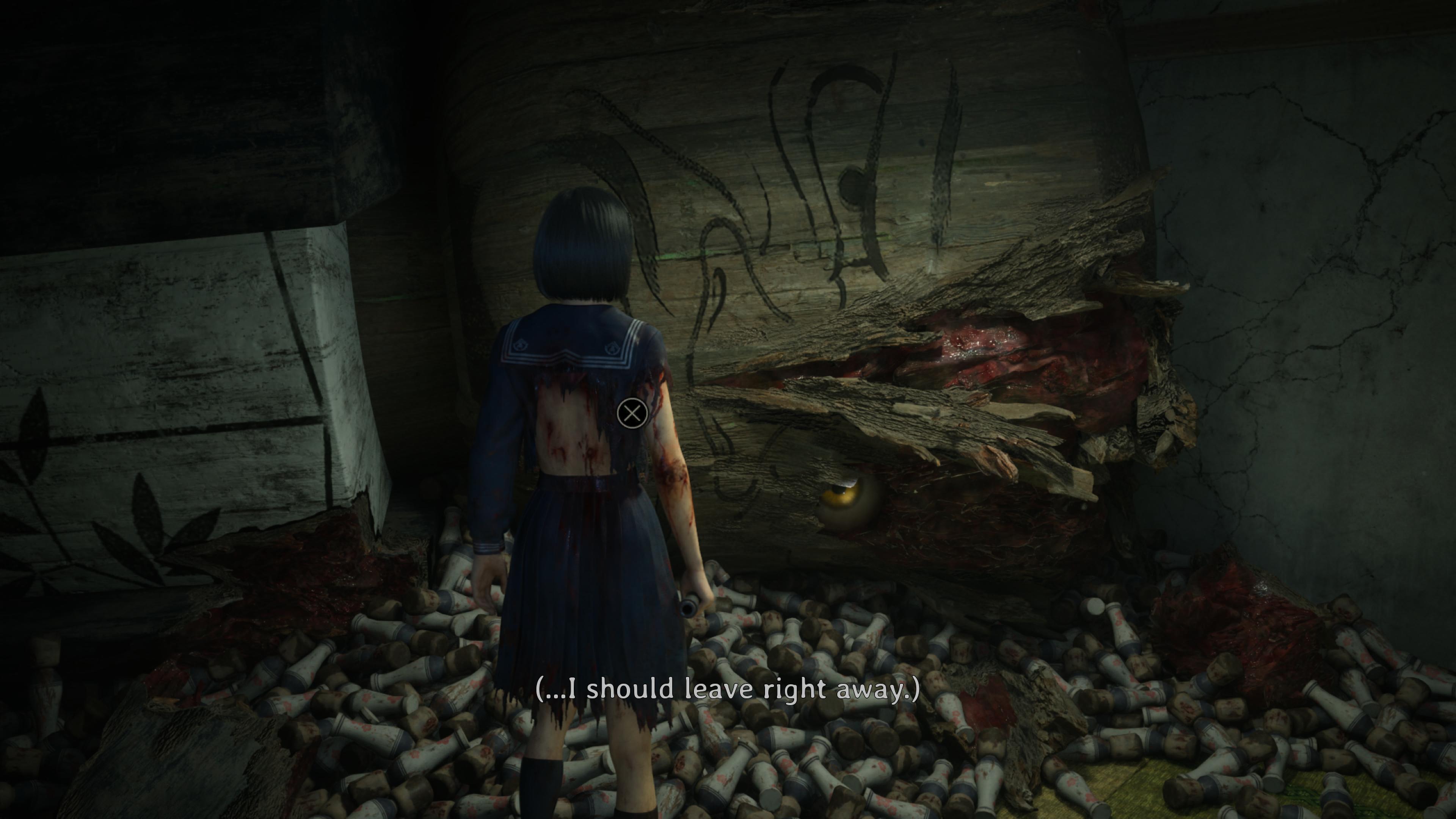
Hinako—and by extension, you—are only given so much time to ponder such questions, however, as her town is desert of people and overrun with terrors: grotesque mannequins, twisted manifestations of childhood, and monstrous invocations of femininity sewn together with chunks of flesh and stricken with a permanent rictus grin. Hinako is not a secret agent or superhero or esper; she is a high schooler living in a remote Japanese village. Forced to protect herself, she relies on objects you might find lying around in such a place: a steel pipe, a kitchen knife, an axe if she is lucky. But Hinako is not trained in martial arts and these things hardly qualify as weapons, so combat in Silent Hill f is clunky and awkward. Hinako is slow to act and even slower to react. She has little stamina, is prone to missing—completely understandable for a teenager unfamiliar with combat—and her ersatz weapons all seem to break before too long. As you might expect, resources are also rare, but crucial to Hinako’s survival. Unfortunately, they also happen to be worthy offerings to the town’s patron fox god, Oinari-sama. Perhaps you would be better off currying his favour and praying for divine intervention?
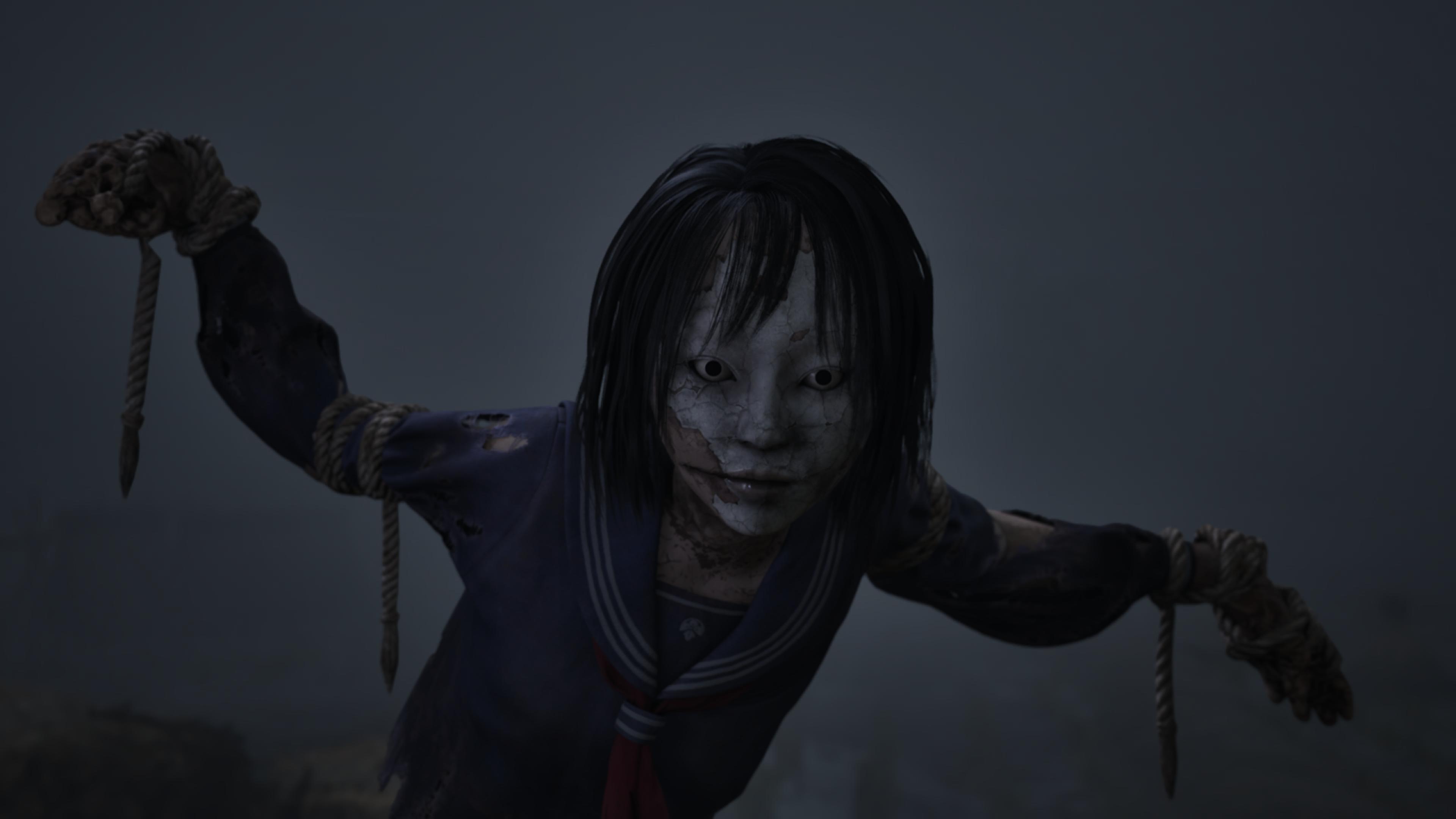
I played Silent Hill f on the hardest difficulties for both combat and puzzles that were available for your first playthrough.27 This did make the game quite hostile but I feel that this was to its strength. Enemies behave erratically and move seemingly without pattern or principle. Two attacks are enough to kill you—and why shouldn’t they be? You are a normal teenager after all, you have no natural resistance to knife wounds. Game Overs were frequent, though more often voluntary than not. If I took too much needless damage, I would simply accept a Game Over so that I could reset to a previous checkpoint and conserve resources. I didn’t know what else was in store for me but it always felt like there was a chance of being soft-locked, of running out of healing items and being effectively (if not technically) unable to progress in the game. Thankfully, this was (I believe) mostly an illusion, but that fear is an important component of the survival-horror experience, and I have a feeling that it would have been far less keen if I had played on “Story” difficulty. Combat proved just as difficult in the game’s final hours as in its first, if not moreso. And why shouldn’t it? At the risk of repeating myself, Hinako is just a teenage girl. Perhaps this is some of that ludonarrative harmony everyone is always crowing on about? I suspect that this style of combat—janky, awkward, dysfluent—would be enough to turn away many players, but my appreciation for it only grew as I progressed in the game. It reminded me that even the most basic encounters had stakes and should be feared, that I was unlikely to ever escape one completely unscathed. The puzzles in Silent Hill f impressed me somewhat less, often feeling a bit awkward and only two-thirds-baked, though I appreciated how they were typically woven into the game’s narrative. Most of the game’s puzzles reflect on the game’s major themes and plot points in some way, though this is not necessarily apparent to the player on first blush. Only once you reach the game’s end do you see the trail of petals left in your wake.
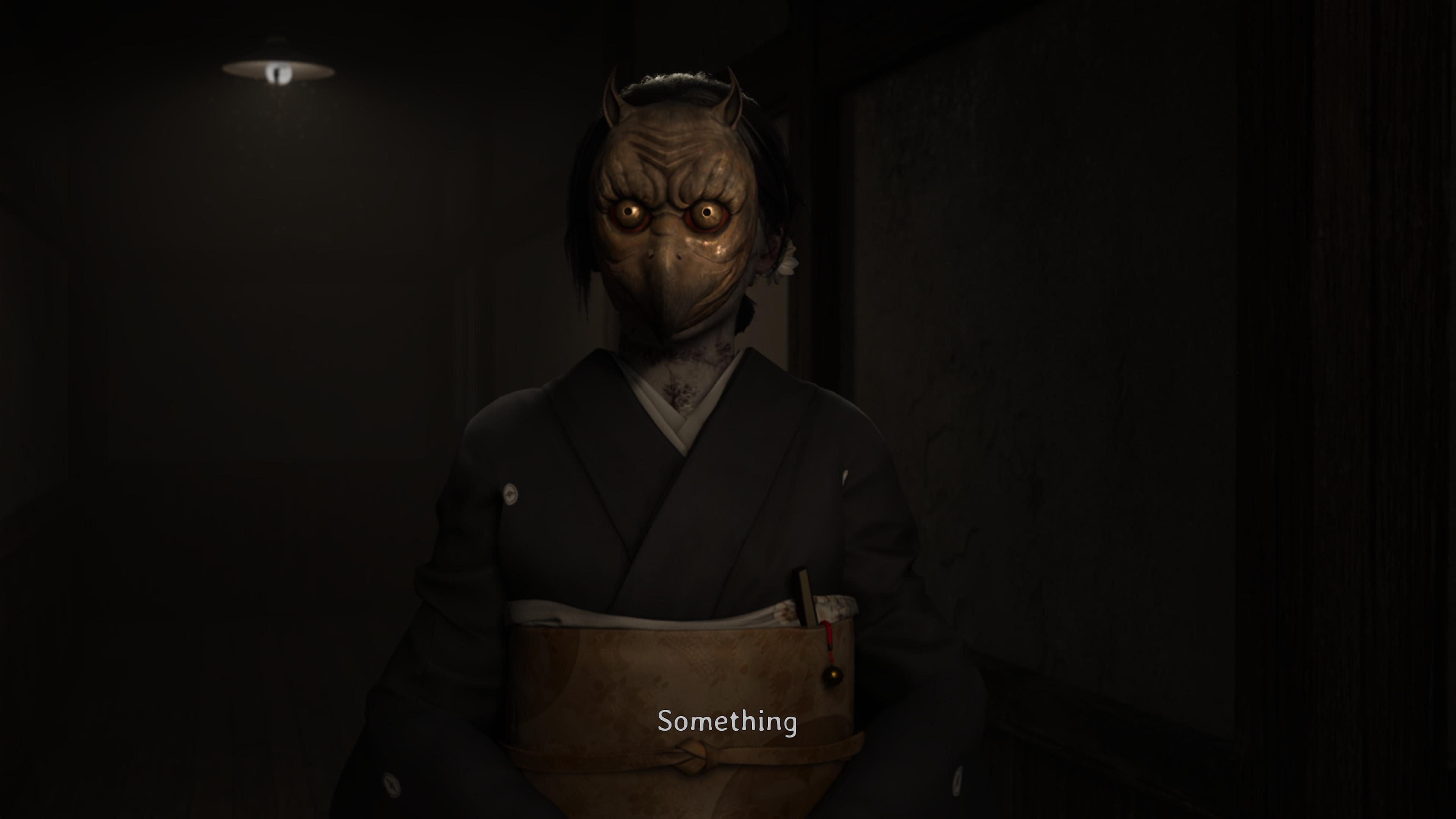
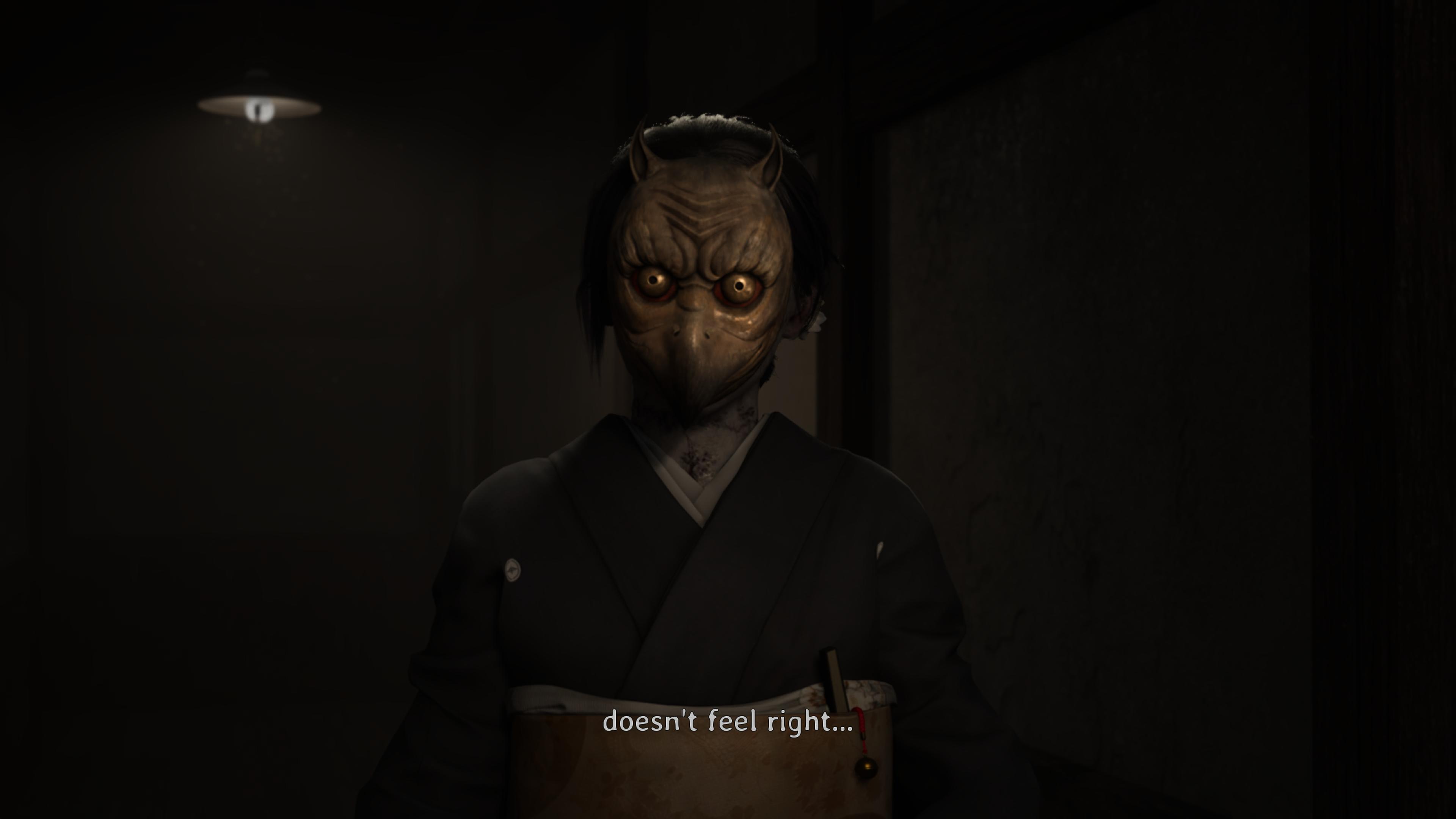
Silent Hill f gets by primarily on the often-heartbreaking and sometimes-bloodcurdling performance of its cast28 and particularly that of its lead, Konatsu Kato.29 Her performance as Hinako is often understated but deeply evocative. Even when her voice carries fear and uncertainty—even when it carries hatred or disgust—it is always imbued with a quiet dignity seldom found in videogames. I can still hear the guttural cry she releases with each swing of her steel pipe, her entire body flailing with the effort required. This performance is all-the-more crucial to the game’s narrative as its writing can be spartan and austere. The game focuses more on ludic and visual communication than textual, half the game rife with the contrasted imagery of bloom and rot, the other half heavy-laden with the symbols and rituals of tradition. Most of Silent Hill f is in service more to feelings and tone than to a clear linear narrative, though a story is certainly to be found for those looking. What is clear is that, like another game oft-mentioned on this website, Silent Hill f considers femininity to be a terrifying thing—not malicious but powerful, worthy of respect, and something often shackled by the men it threatens. The ways in which this message is conveyed can sometimes feel ham-fisted—didactic diary entries decrying the restrictions on the behaviour and appearance of women in 1960’s rural Japan,30 that sort of thing—but the broader narrative is far more subtle, somehow both messier and more elegant. Its ending sequence is vicious and agonizing, your paranoia reaching a fever pitch as the veil is finally rent and along with it the last illusory shreds of control and identity. Its imagery and the feelings it evoked will be with me for a long time.
I finished Silent Hill f only recently and am, in retrospect, somewhat surprised at the game’s reception. It had a strong critical response to be sure, but I have not heard all that much discussion about the game—at least, not its narrative; I have heard several people complain about the game’s awkward combat and perhaps that prevented many from reaching the game’s end. This is unfortunate as I do think that Silent Hill f is, in many respects, a very special game. It is by no means the scariest game I have played and nor is its story the most profound or poignant that I have experienced, but there is a confidence and deftness in every aspect of the game and an undeniable gestalt in its coherence. I think this is probably just what happens when you get that visual novel guy to write a AAA horror game.
From an early point in the game, Hinako finds herself led by a hierophant, though for uncertain means and to an uncertain end. You, the player, are led in turn by a hierophant of another type, and under a similarly-powerful state of ambiguity, your connection to Hinako a sort of sinister hierogamy and your fates intertwined. As to what those fates are, one cannot help but feel that they are in the hands of others—unless, of course…
My goodness, how tragic! But, alas, guilty, yet satisfied.
CLAIR OBSCUR: EXPEDITION 33
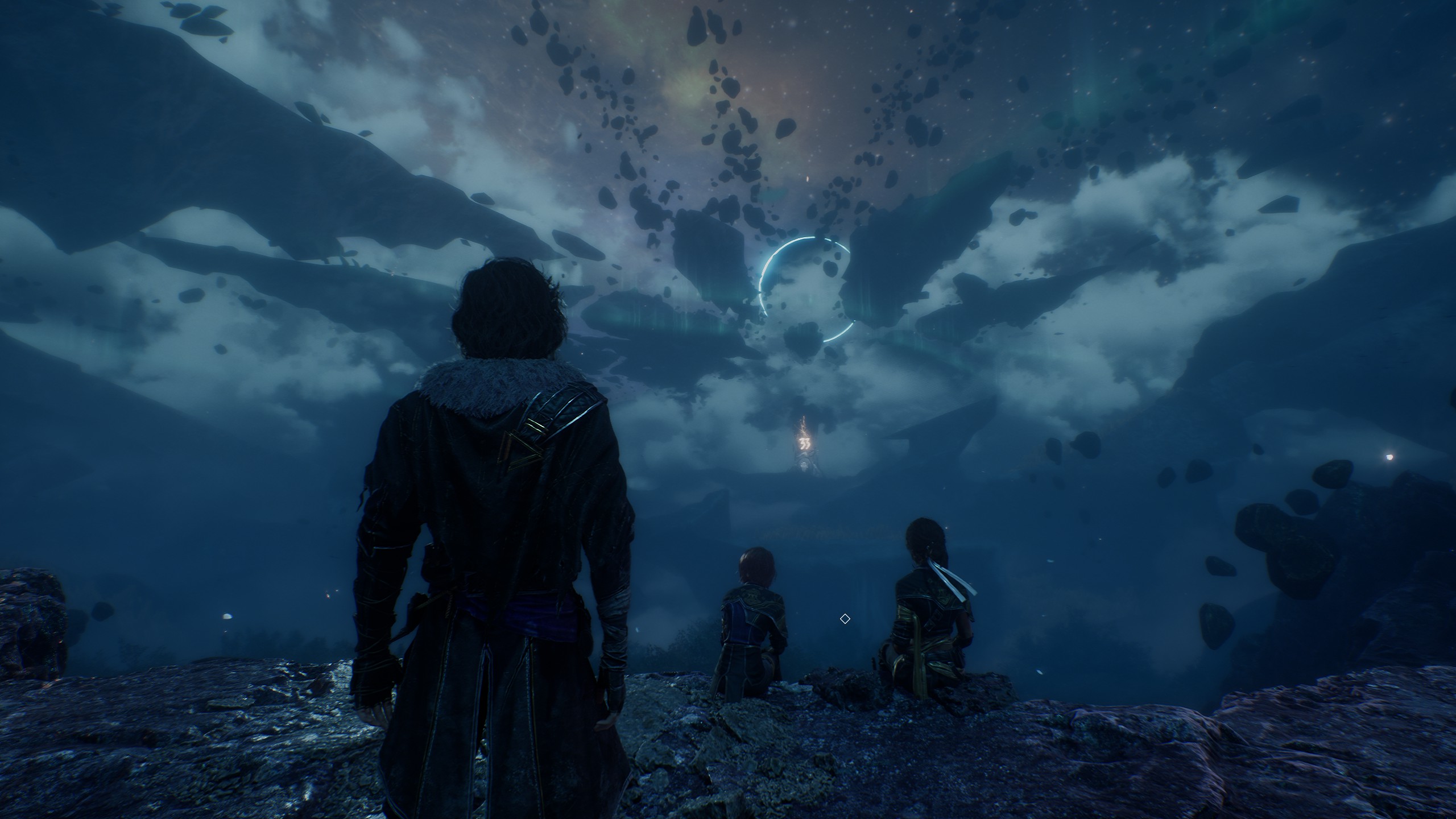
If you spend any time online31 or paying attention to “Gaming Discourse,”32 you may be pre-emptively annoyed at the mere mention of Clair Obscur: Expedition 33. That’s because this game has been a magnet for hyperbolic speech since about two weeks after its release. For whatever reason, this game more than nearly any other seems to inspire people to try to Get a Take Off online, attempting to divine some Extreme yet Unimpeachable Divine Truth about Gaming. This phenomenon has only worsened with Clair Obscur’s historic and honestly-kind-of-annoying sweep at The Game Awards,33 which has sent the Takes Factory into overtime and the workers are all wildcat striking but there are no shortage of scabs and people who think that they have Something Important to Say About JRPGs. Well, far be it from me to criticize anyone else for having a Strong Opinion About Gaming, but I say leave it to the professionals, by which I mean those who are willing to spend $7 a month on a URL.
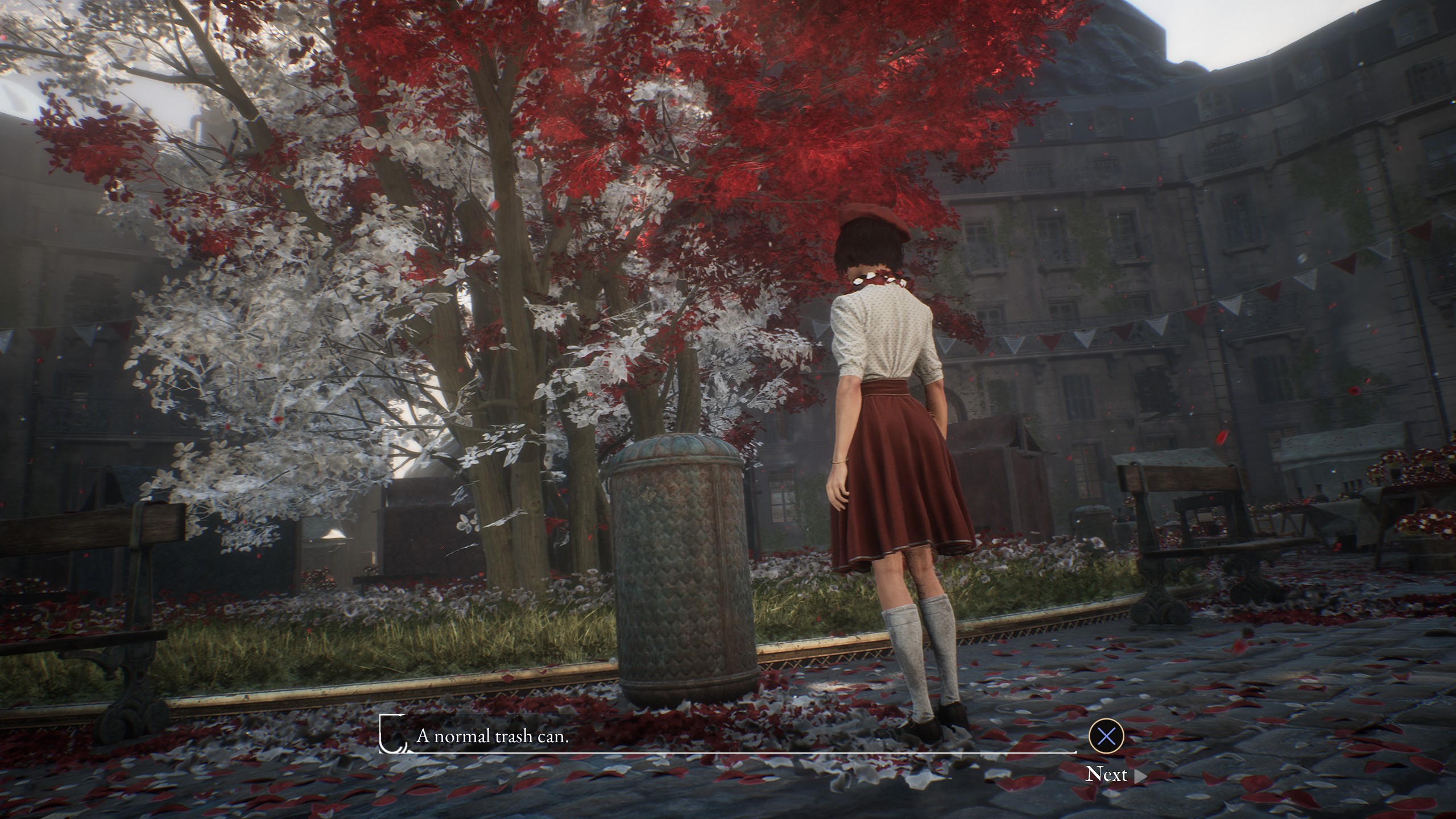
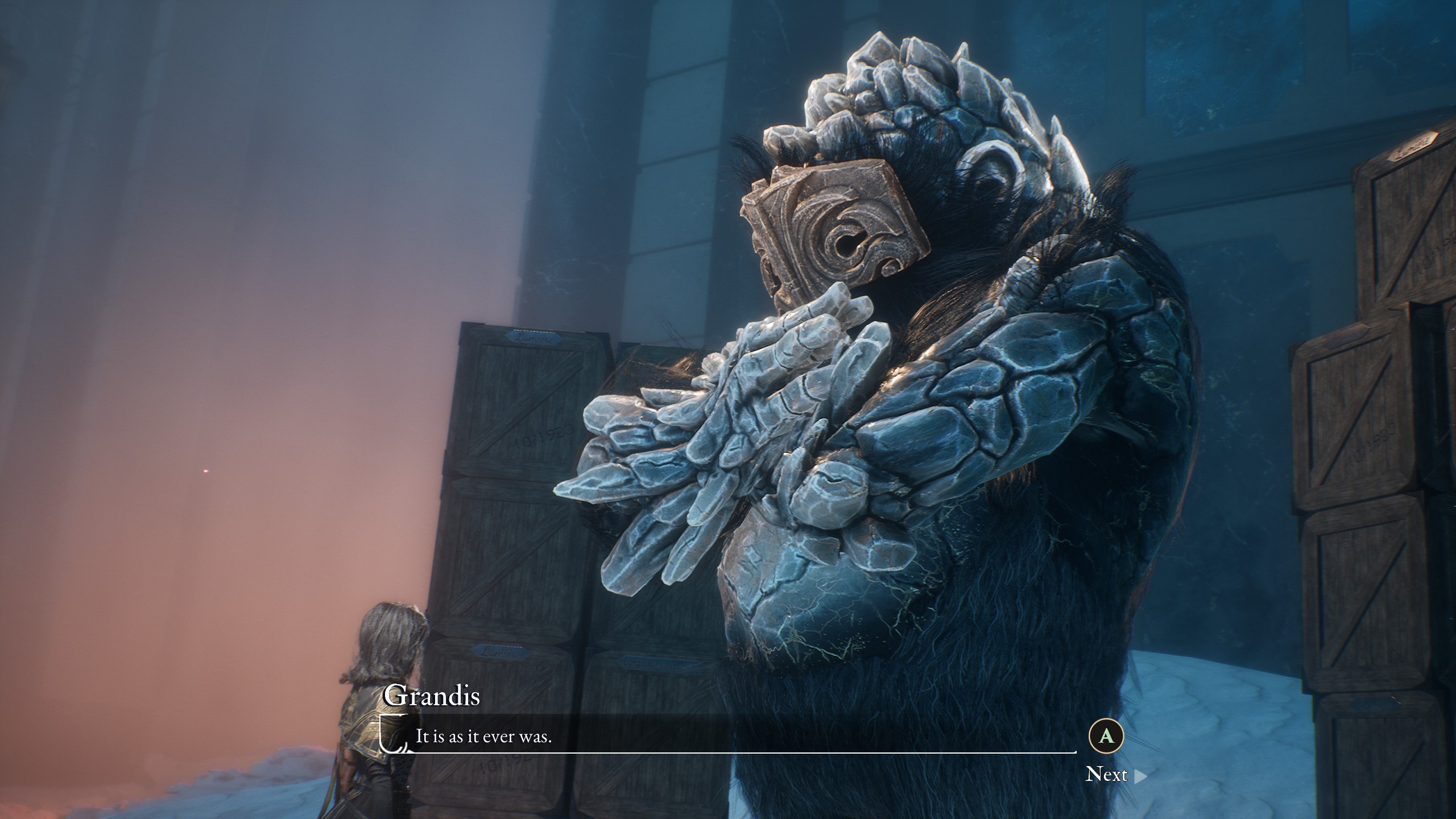
If you are looking for someone to say that Clair Obscur is either the savior or downfall of Japanese role-playing games, I fear that you will leave here disappointed. I liked the game a great deal, though seemingly not as much as some of you nerds (or the voting body of The Game Awards). Uncharacteristically, I do not have a particularly-extreme opinion on the game in one direction or another, though for those still hungry for pompous or contrarian perspectives, I do think that you will leave satisfied as I happen to have a few irritating little confections to share, if I may say so myself. Someone blow that factory whistle and towel off those boys; it’s my time to opine.
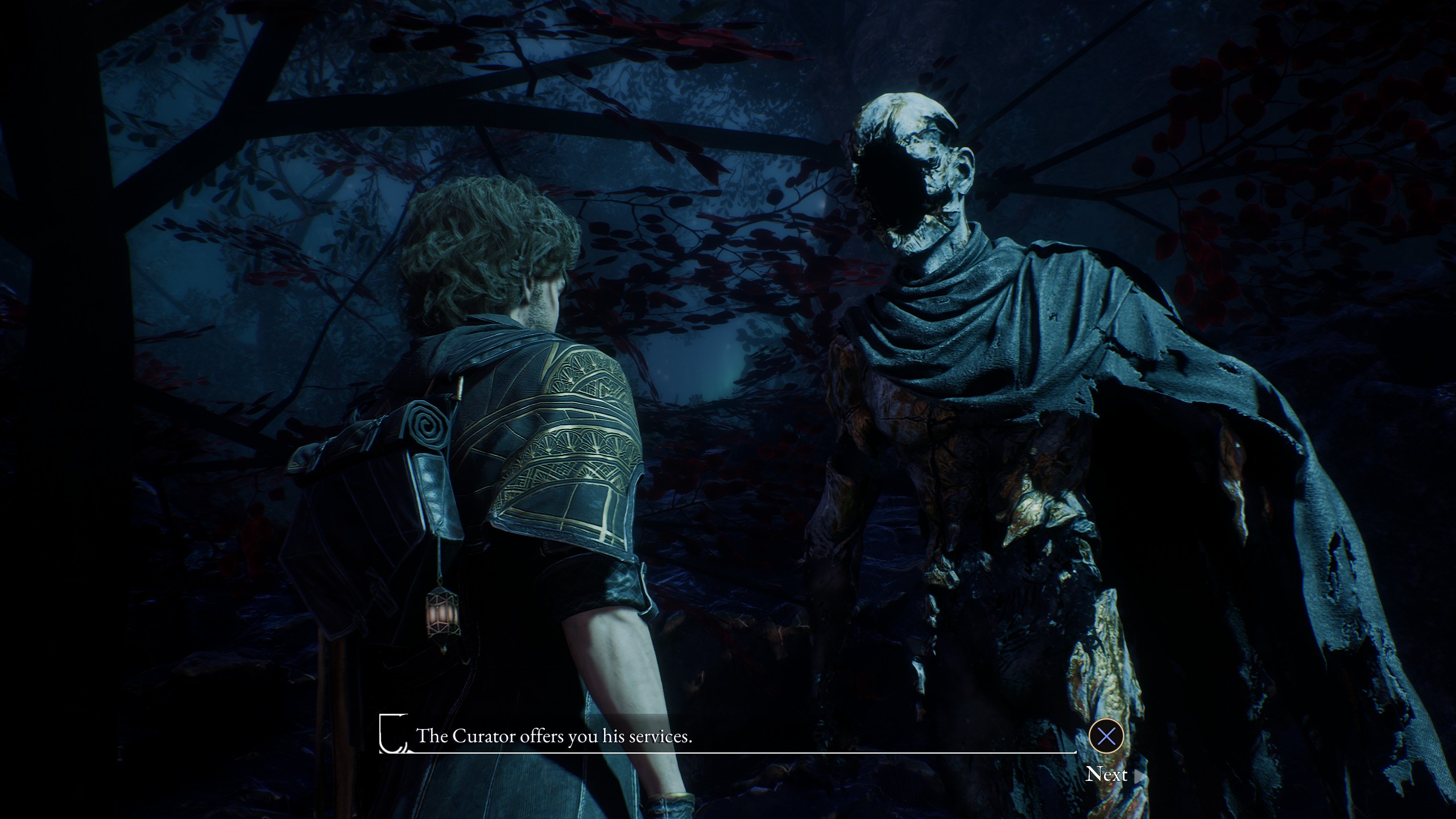
Clair Obscur: Expedition 33 is a French-developed Japanese role-playing game34 with the combat sensibilities of Paper Mario crossed with Sekiro and the storytelling sensibilities of Final Fantasy VI, VII, and X. The absolute highest compliment I can give to Clair Obscur is that it feels more like a Final Fantasy game than nearly anything named “Final Fantasy” released since Final Fantasy X, which puts it in a category alongside vaunted titles like Lost Odyssey and The Last Story. It tells the story of the city of Lumière, wherein each year everyone of or above a certain age is Disappeared. This event, known as the Gommage,35 targets a progressively-younger age each year, and has advanced from age 100 all the way to age 34. The game opens with this Gommage, as we see the protagonist, Gustave, say goodbye to his one-year-older ex-girlfriend in a scene that is surprisingly-poignant, despite us having only just met the two. Each year, after the Gommage, Lumière sends out an expedition of people—traditionally composed of those who would be gommaged the following year—seeking to put an end to the eradication. Previous expeditions have all failed but their efforts were not in vain: they have left us clues for understanding the world outside Lumière, supplies for survival, even infrastructure to aid traversal. For those who come after. Where they failed though, we will succeed. When one falls, we continue. And here is where the game begins: our expedition comprises Gustave, our charming Robert Pattinson-like; Maelle, his precocious found-family-sister who has decided to tag along despite being only 16; Lune, the fatalistic adult-in-the-room who at times seems more interested in research than the mission; and a scrappy gang of other misfits, like a flying French folktale character and a Foot Pervert.
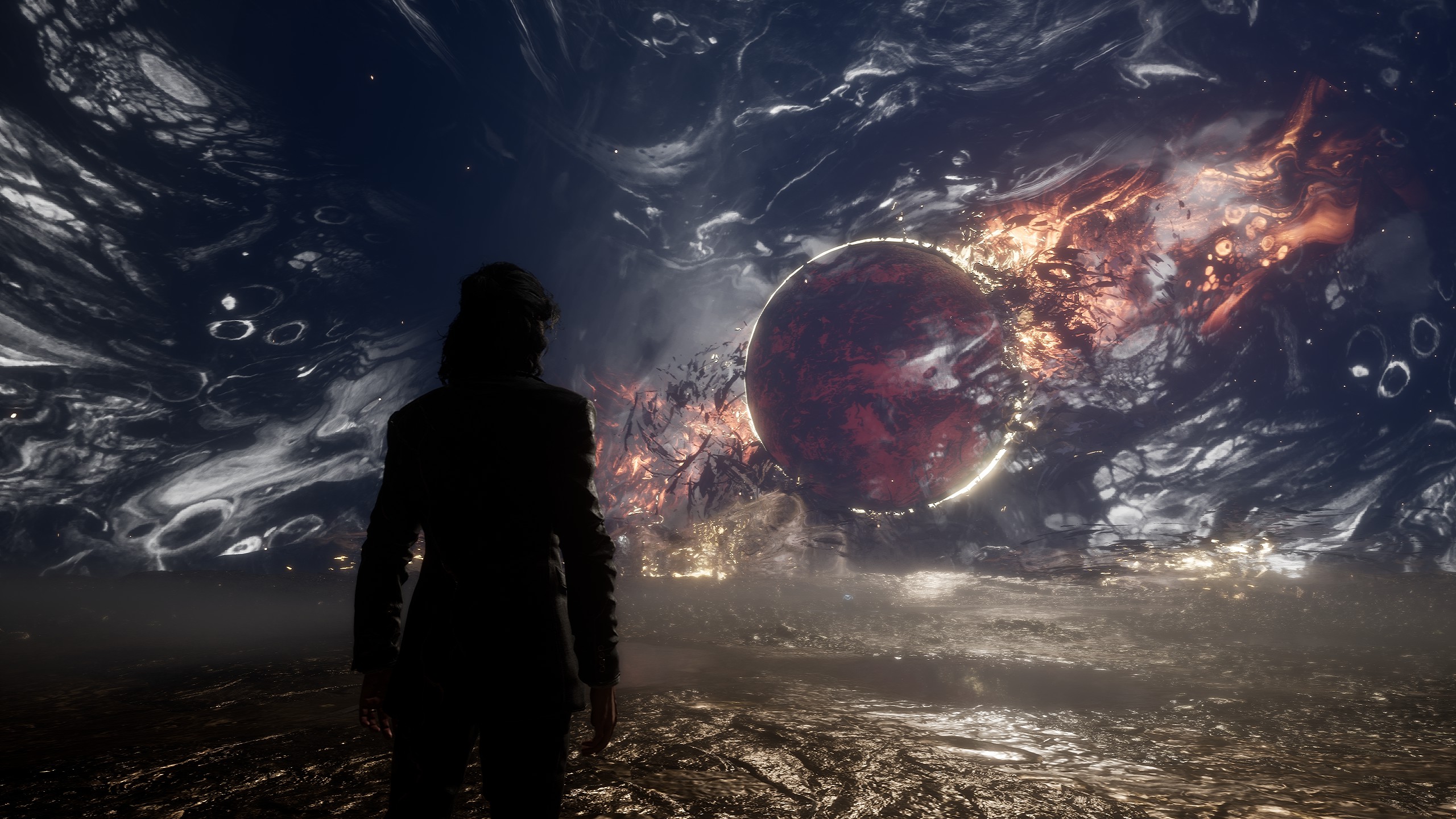
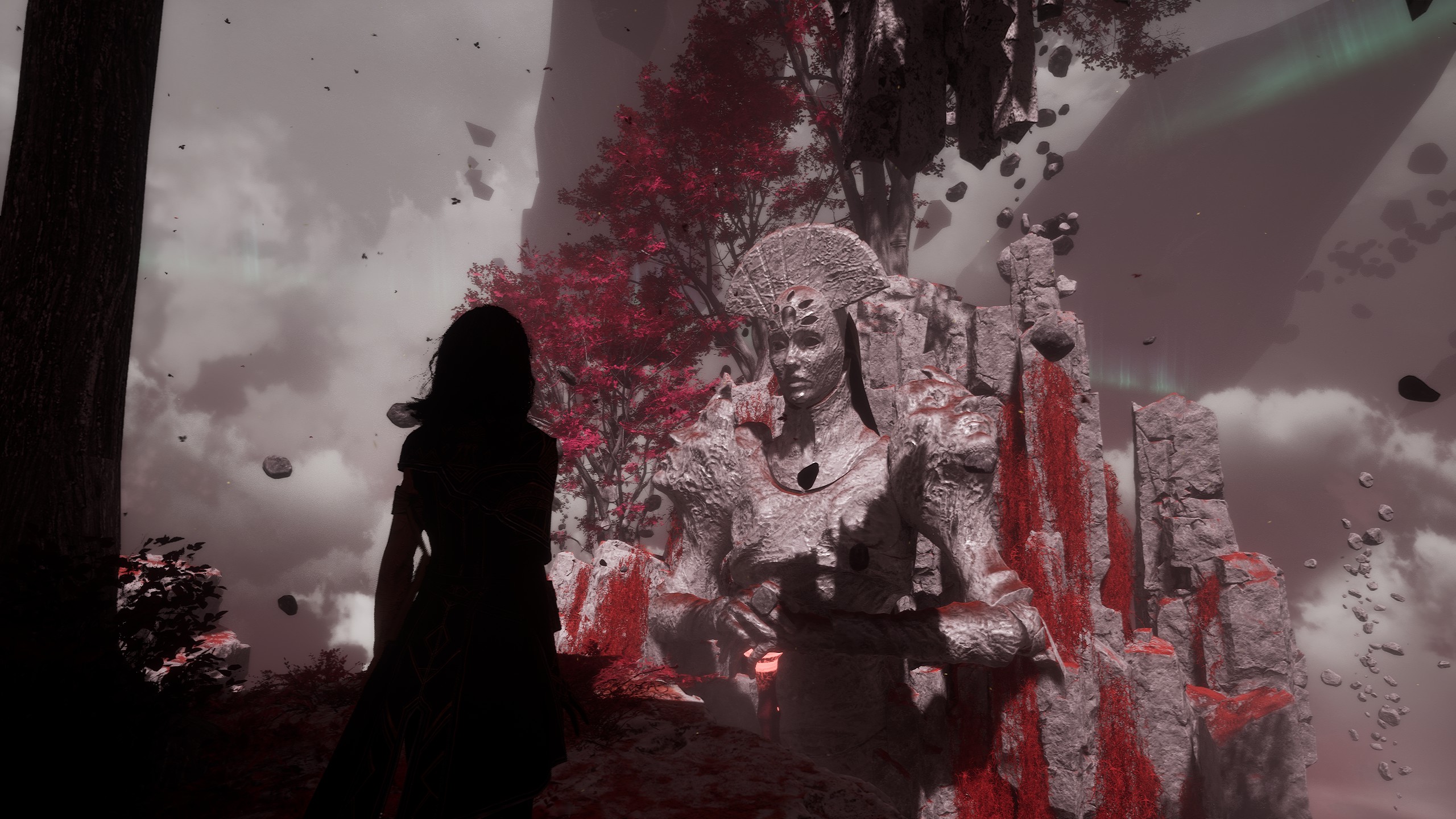
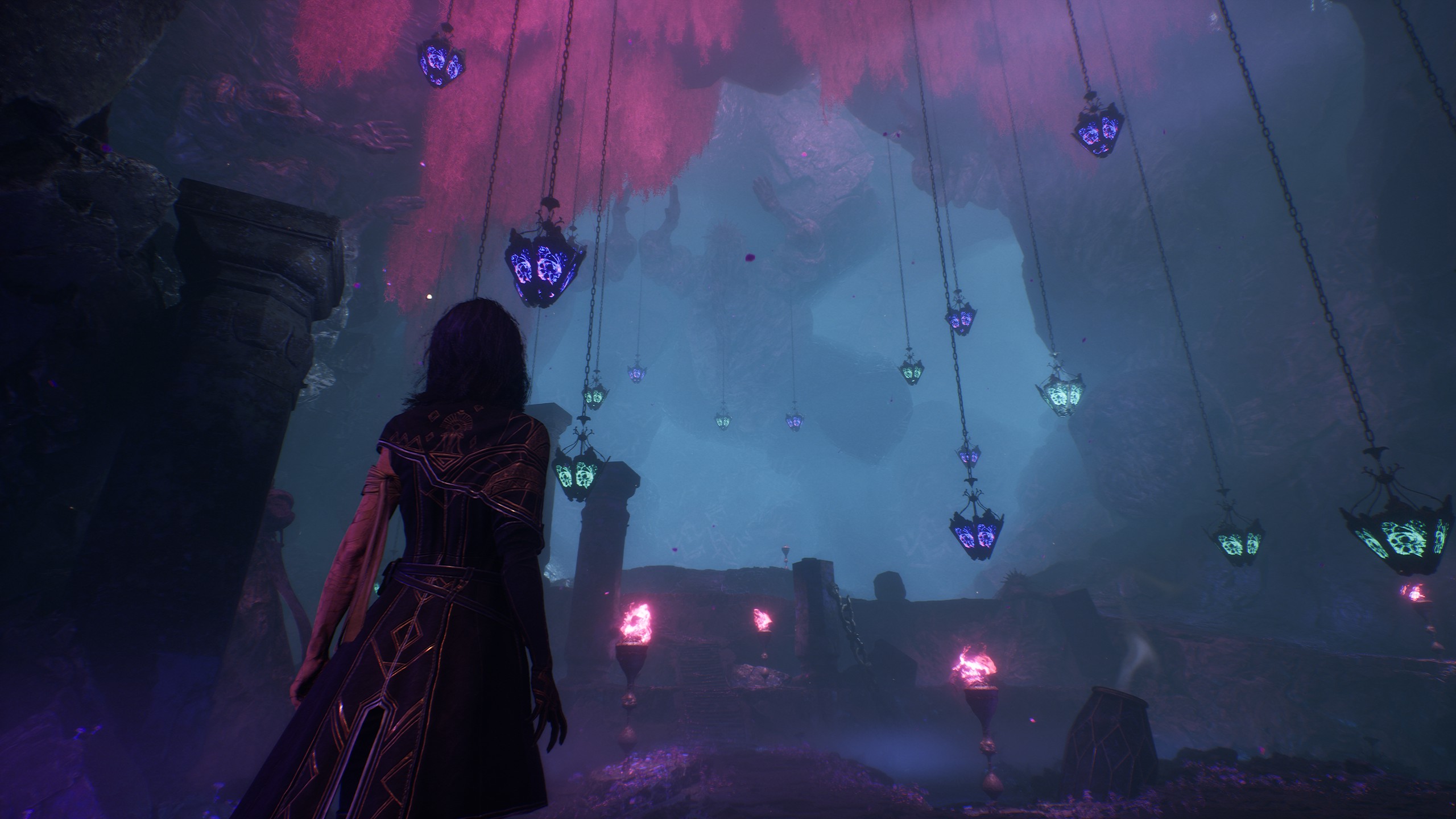
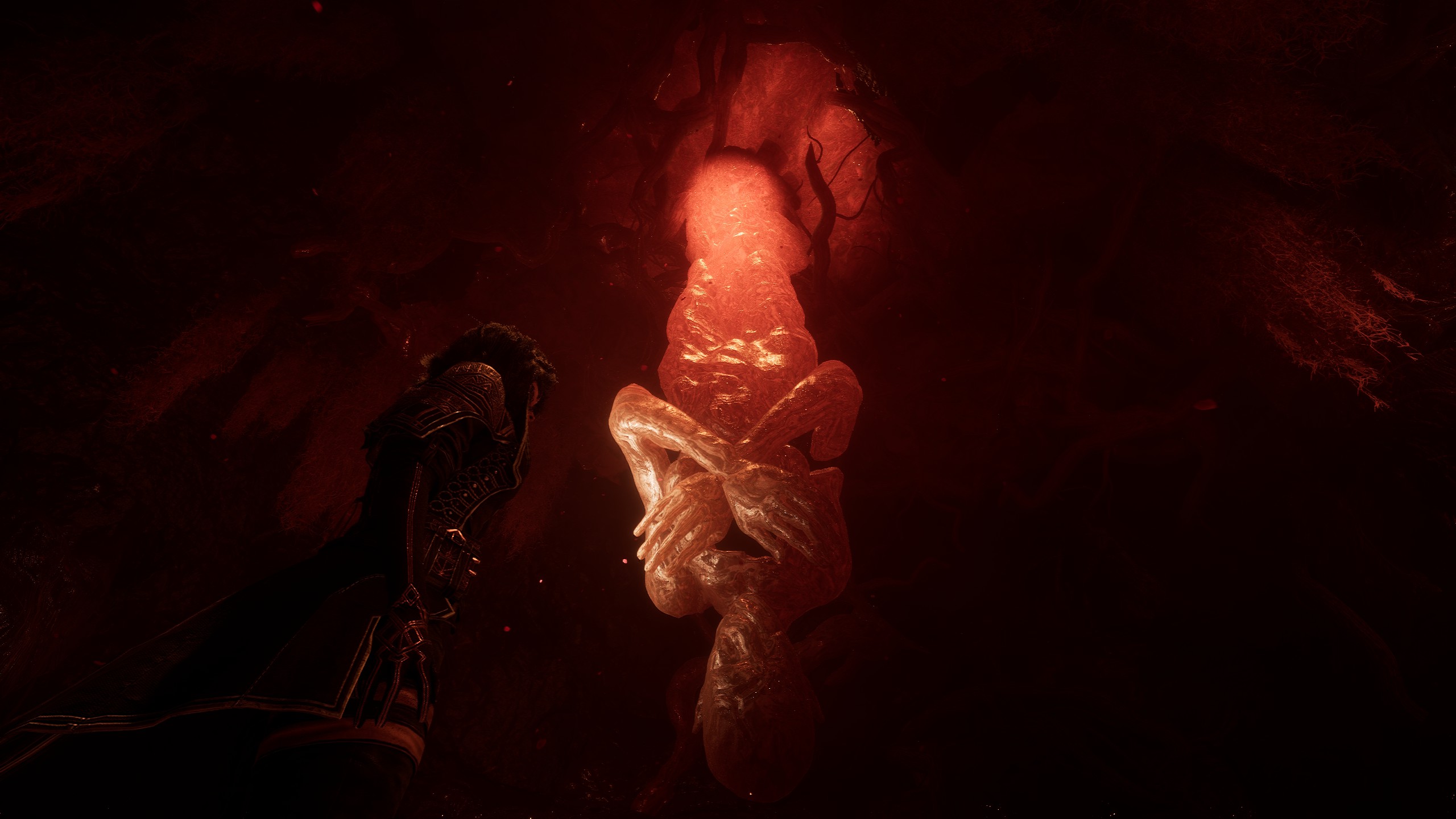
The game’s core competency is undoubtedly its combat and I feel reasonably well-equipped to discuss it, given that Paper Mario and Sekiro are two of my favourite games and that I have made a big show of talking about parrying in the past. Combat in Clair Obscur is turn-based but never passive: every attack you unleash requires the completion of some active-input micro-game, every attack you receive requires a deftly-timed parry input or a somewhat-less-deftly-timed dodge input. Dodges are much easier to pull off but parries are far more beneficial, giving you the desperately-needed Action Points necessary to pull off your slickest attacks. Besides these systems, each of the six playable characters is nearly-completely distinct: Lune’s attacks generate elements, which can be used to enhance or alter later attacks; Verso snowballs, growing ever-stronger the longer he avoids damage; the Foot Pervert, Monoco, can use the attacks of enemies you have defeated, so long as he was able to acquire their feet; etc. Characters can be furthered customized using a handful of systems all lifted from different Final Fantasy games.36 Because every attack can be avoided in one way or another, enemies hit hard and repeatedly. Parry and dodge inputs both have a cooldown, so if you mess up your timing on the first attack in the enemy’s combo, you’re probably going to eat the rest of it too. It isn’t uncommon for one of these combos to kill a character, though healing and reviving are both easily-done.37
As a complete package, I found the combat in Clair Obscur to be extremely satisfying. Because of the distinctive playstyle of each character and the unique ways in which they play off one another, battles almost always felt dynamic and varied. Each character also has the capacity for different “builds” and so even the way that I played a given character changed dramatically over the course of the game. For most of Clair Obscur, combat provided just enough difficulty to remain interesting and engaging without feeling oppressive.38 Once (and if) you get the hang of the parry timings, it feels so good to just absolutely dunk on your enemies by nullifying all of their attacks and converting them into Action Points. The latter half of Clair Obscur also encourages you to “break” the game, though generally without rendering it trivial or unsatisfying: now that you understand each character’s mechanics and you have access to some of the best gear, can you find a way to scale your damage to levels previously-unimaginable? If you are successful, many of your random encounters may become insignificant, but bosses are tuned with the expectation that you have done this and so should still provide a challenge.39 Things really get bonkers in the postgame content and I particularly enjoyed the grind to become Stronger than God.
That said, the game’s combat and approach to difficulty are not without their flaws. The parrying, for example, is Generally Fine but sometimes it simply does not work. Bluetooth? Maybe. Variable input latency—even when using a wired controller (perhaps due to the Steam interpretation layer)? Maybe.40 Someone online told me that parry timing change across the course of your game because of how in-game data is stored and accessed. Seems unlikely but who knows. Maybe some enemies were also just fucking stupid. What it comes down to is that there were periods where I thought that the parrying was great and there were periods where I thought it was quite poor. Should you parry just before an attack, just as it seems to land, or even slightly after? Well, it depends, though it is unclear on what. As in other games with flawed parrying, the logic and timing of the parrying seems to differ unsystematically between attacks and between enemies. For a game where parrying is essentially-required, this is not really an excusable problem, though I suppose it never really stopped me.
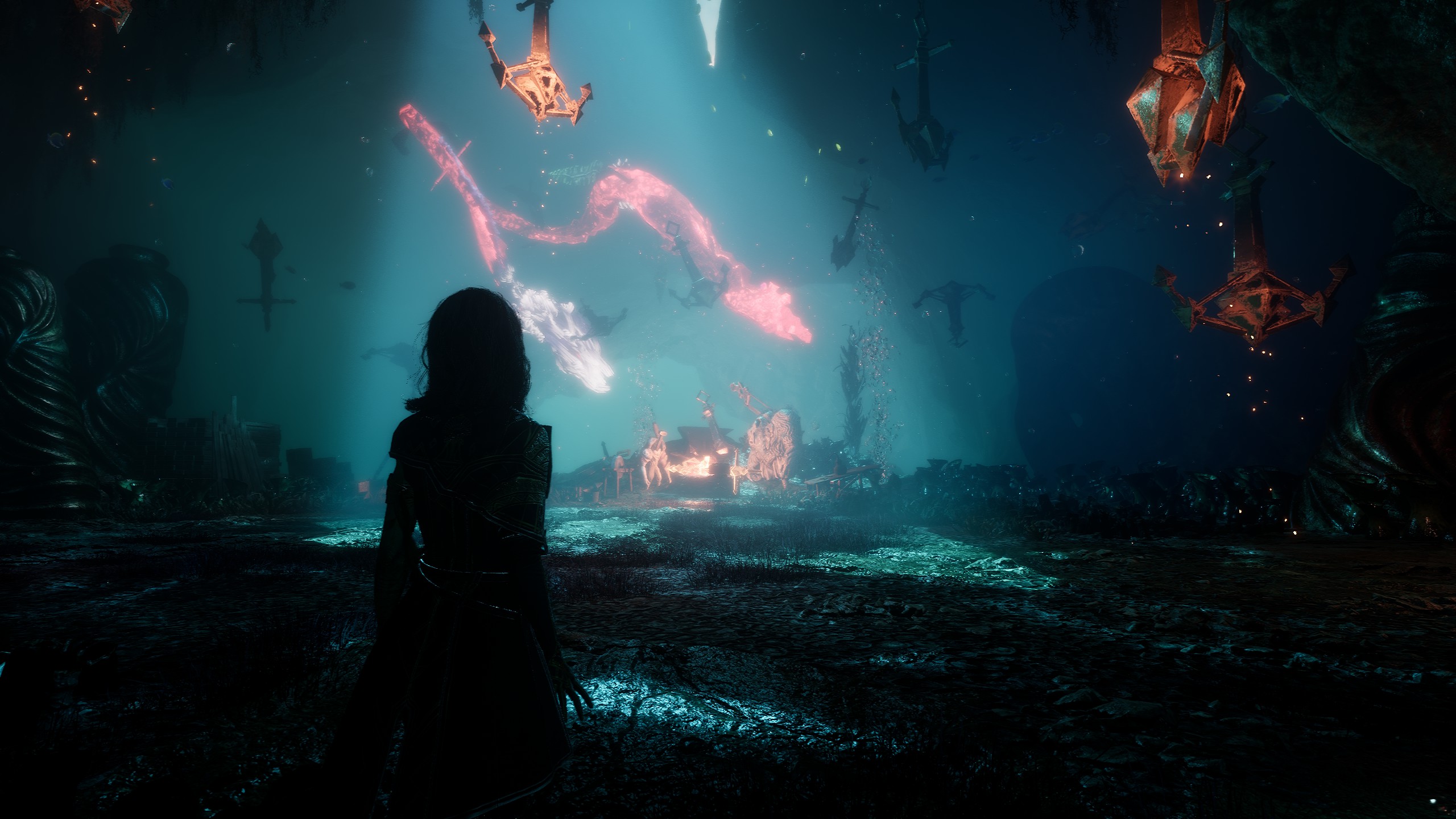
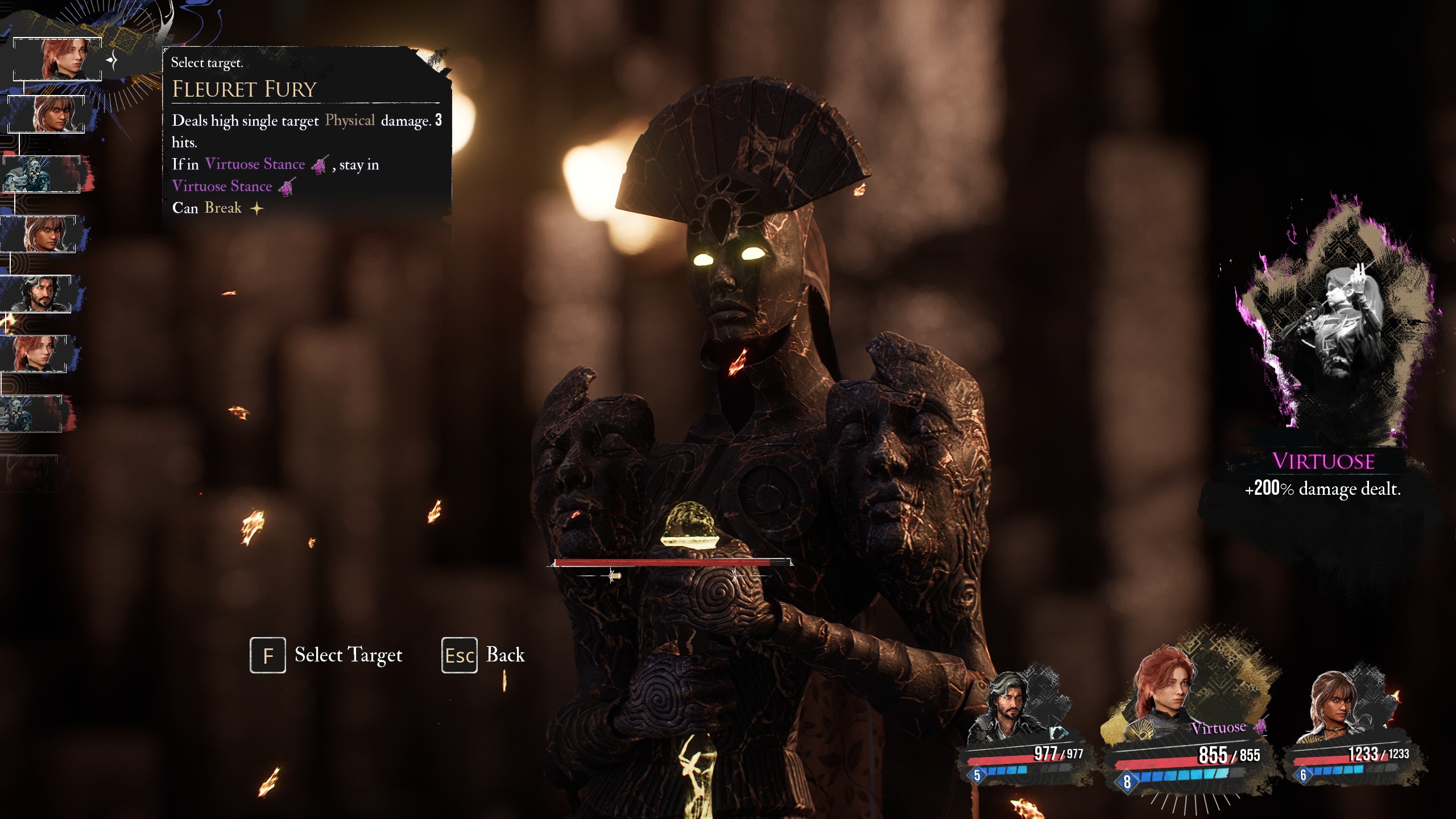
The game’s biggest flaw by far in my opinion is its bizarre approach to difficulty. Clair Obscur had, for me, an enjoyable difficulty curve along the critical path. I did not use guides or try to “break” it (until the postgame) but, thanks to a decent grasp on the dicey parrying system, I was always on top of the bosses and random encounters… except for the optional content. I have no idea why, but 95% of the optional content is unapproachable until the postgame. This means that nearly everytime you encounter an optional boss or area along the critical path, you cannot beat it. It is just there to taunt and tantalize you. JRPGs are supposed to have the rhythm of mandatory, optional, mandatory, optional, but even just mainlining mandatory content would be fine for me. The problem was being forced to repeatedly look at optional content and then die to it three times before I accepted that it was impossible. Why even surface all of that content if I cannot complete it? Once or twice, sure—that’s always a fun little magic trick in RPGs, but doing it as a matter of course was frustrating and demotivating. It led to me feeling pretty down for the final 20% of the game (until the postgame, which instantly revitalized me). This strikes me as a strange and unforced error. I will admit that it was probably somewhat unique to me and my expectations/desires but I cannot imagine that I am the only one who had this experience.
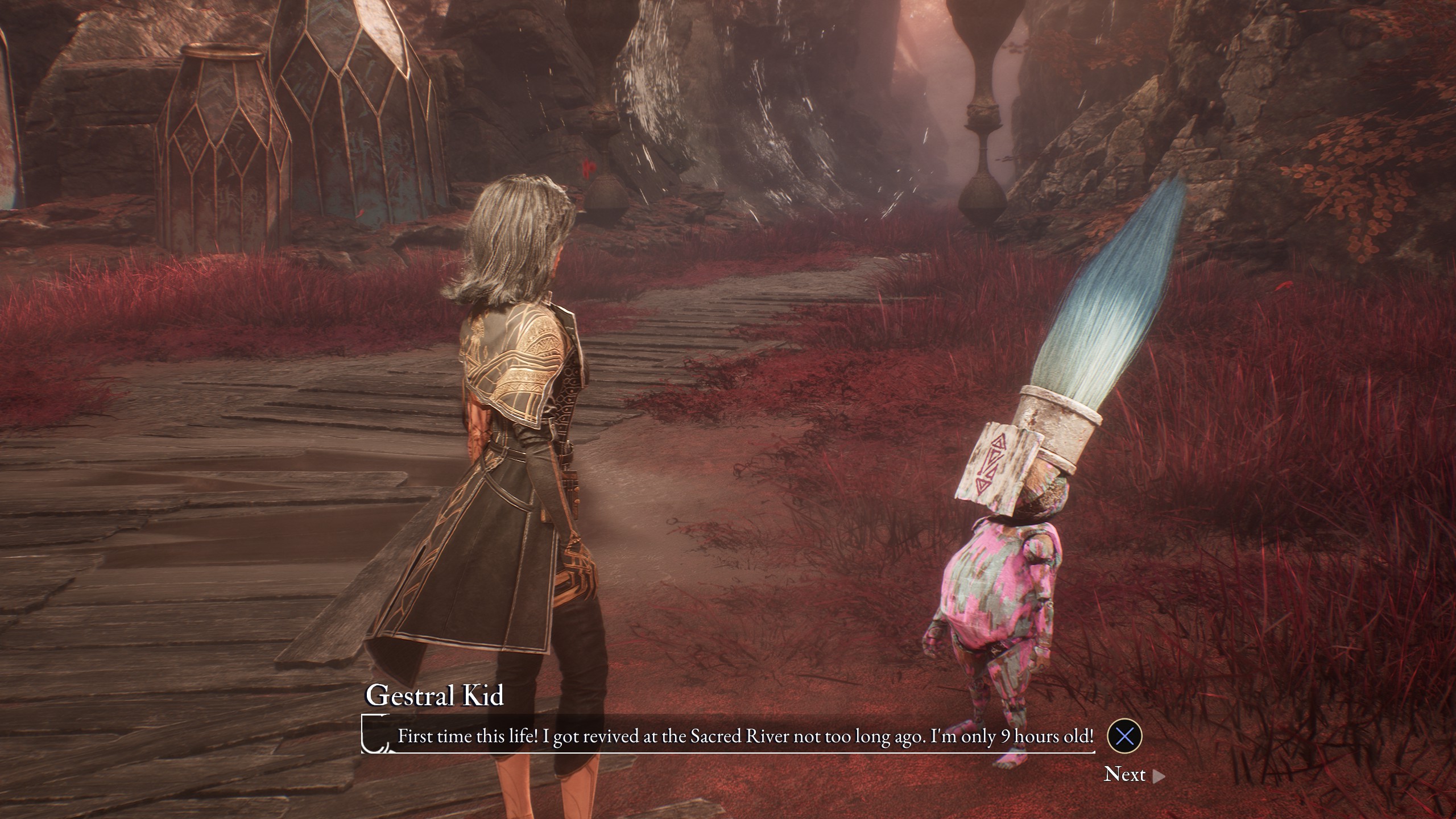
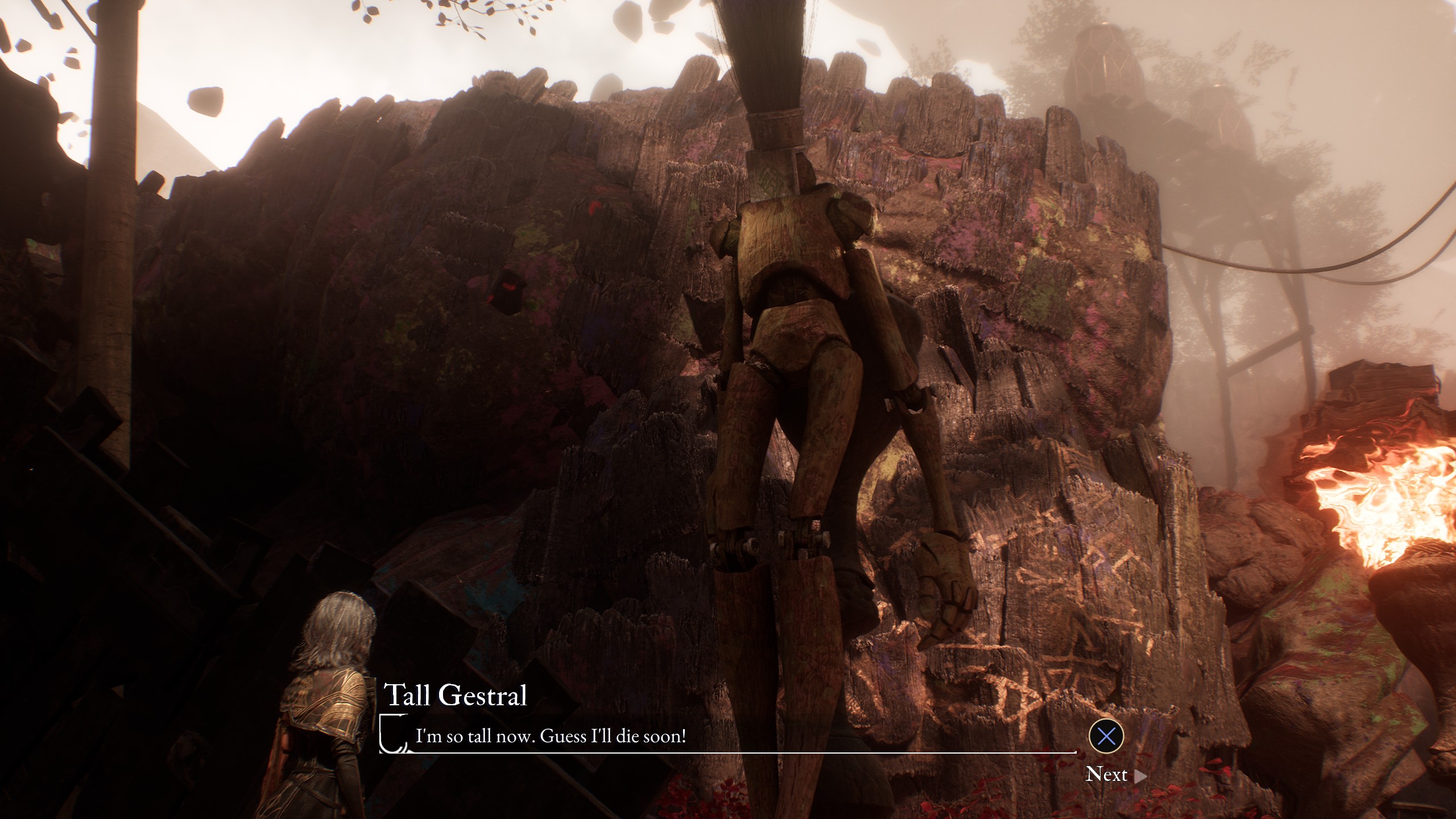
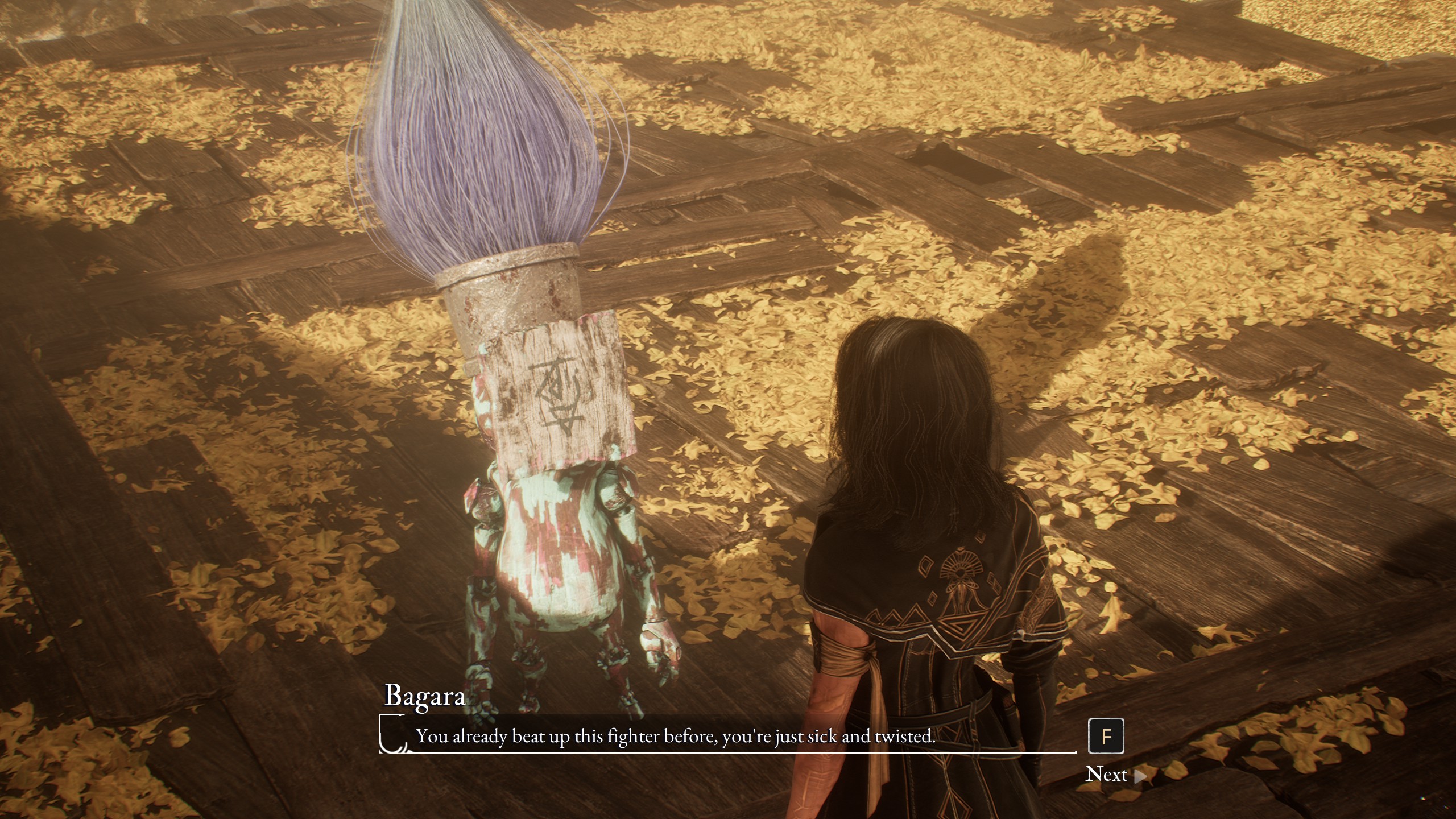
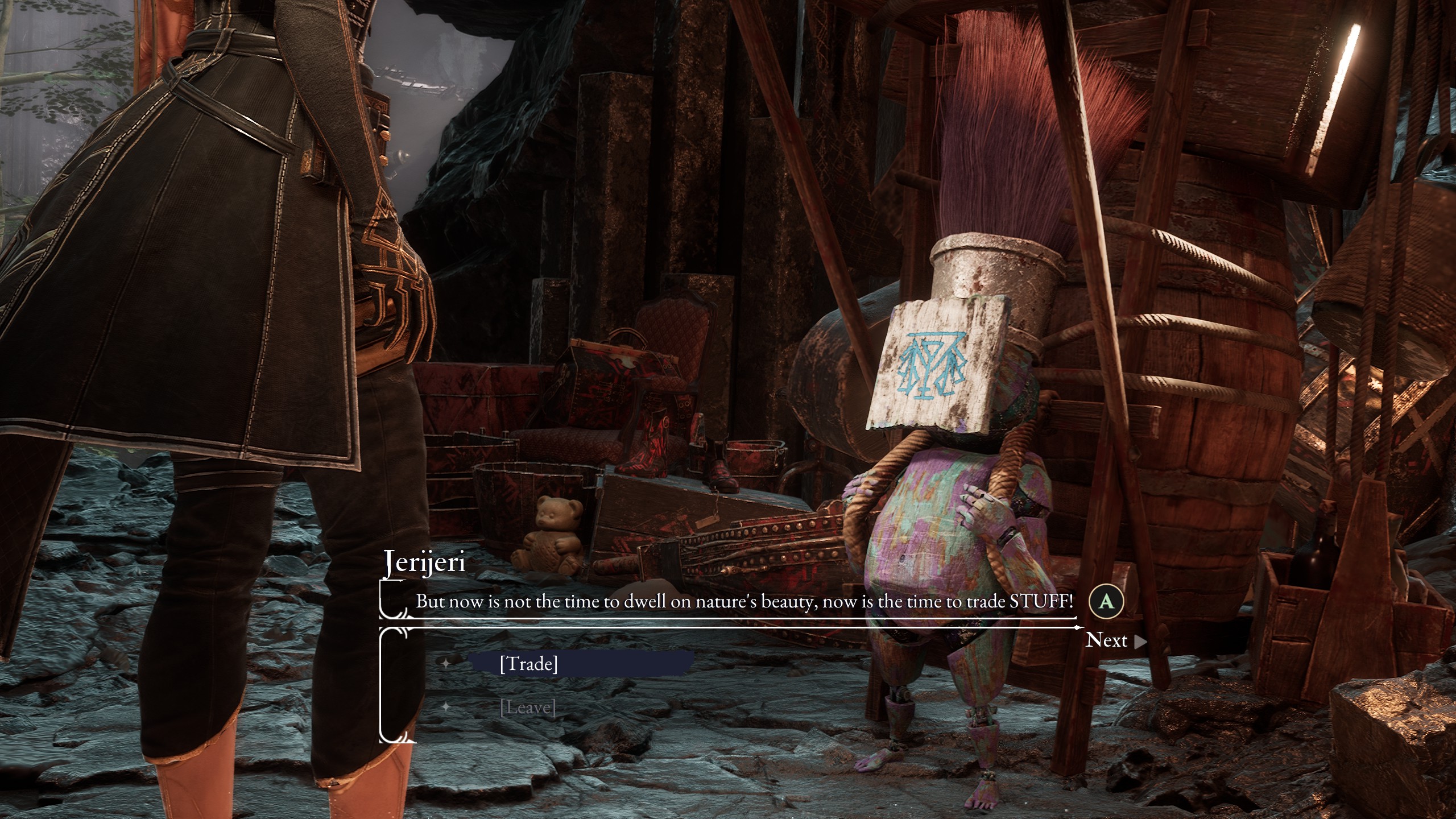
Although I consider the combat to be the central jewel in Clair Obscur’s crown, it certainly has other regalia worthy of remark. The world outside Lumière is often stunning, striking some combination of peculiar, beautiful, and sad. In retrospect, one cannot help but feel that the game’s overall visual identity lacked a certain coherence, but while playing I was regularly awestruck by its bizarre creatures, grandiose vistas, and twisted landscapes.41 The visual design of the characters and their skills is also quite memorable, reaching for that classic blend of cool, beautiful, and unusual, that you used to find in Final Fantasy (if no longer). Clair Obscur’s interwoven worldbuilding and plot kept me intrigued for the entire duration of the game and I still consider both aspects to be a success, despite some undeniable stumbles in each. Where the writing truly shines, however, is in its dialogue and characters.
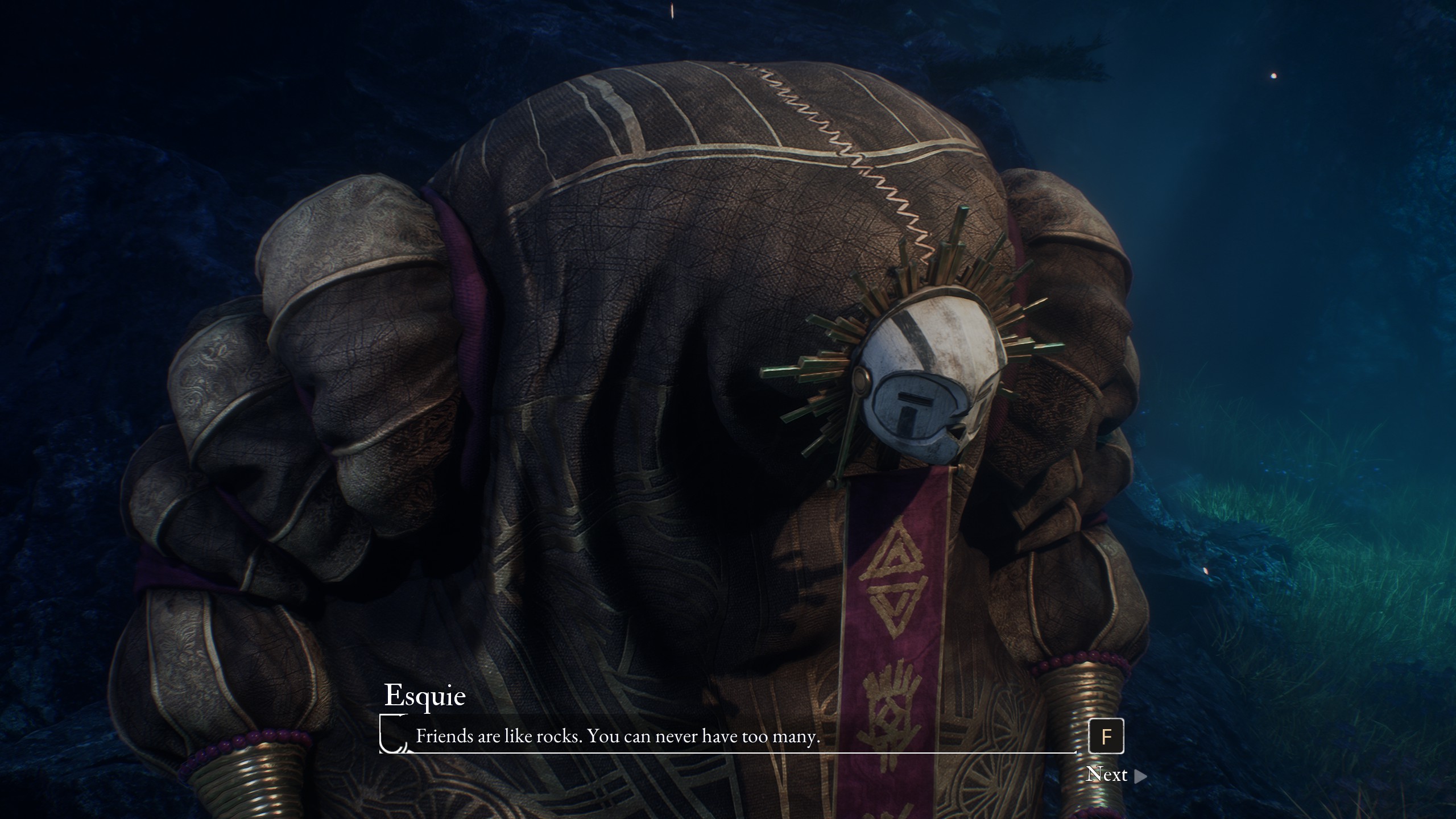
I grew to love each and every character in Clair Obscur, from the airheaded and affectionate Esquie and muppet-like “gestrals” to the dire or taciturn antagonists, too-spoilery to be mentioned here. Nearly every scene is charming in some way, either in the surprisingly-realistic playfulness between characters or the touching ways in which they show care for one another. The main cast all feel reasonably-realized in one form or another and, with the exception of some notable foibles, generally behave like consistent and coherent characters that Feel Real in some way. The game is also mostly able to carry its more serious tone and themes without making the self-conscious player squirm and, almost as importantly, is also able to transition comfortably from these tones into others, be they funny, dour, hopeful, or poignant. The game is so regularly beautiful or funny that you sort of forget that this is actually a rarity in videogame writing, especially in a game of this magnitude, and you should probably be relishing it a bit more. As with Silent Hill f, Clair Obscur is heavily indebted to the strength of its vocal cast, with particularly-moving performances by Jennifer English, Kirsty Rider, and Lotus Eater-returning-champion, Ben Starr,42 though you never know when some minor little two-bit freak is going to say something weird enough to evoke an actual honest-to-god laugh. The deftness of the game’s writing is perhaps captured best its first act, which ends in a particularly dramatic and moving way. Despite having just spent several weeks away from the game (for unrelated reasons), I found this turn to be deeply touching, and it was the point at which I realized I was playing something quite remarkable.
I did have some other issues with Clair Obscur, one of which seems to have been unique to me and one of which that most certainly was not. A common complaint about the game is that its level designs leave much to be desired. Most levels are a least a bit dark, foggy, or obscured (ha ha) in some way. That, combined with the level’s branching paths, verticality, and not-that-short battles, often led to me getting lost in a way that I did not enjoy and was highly-uncharacteristic. Others have suggested that the game simply needed a map or mini-map; that may have fixed the problem, sure, but it points towards a deeper issue in the game’s level design. Dark Souls does not have a map but I can tell you how to get from the Firelink Shrine to Blighttown from memory because its level design is intuitive and naturally-memorable. Individual areas in Clair Obscur simply do not feel coherent or logical in their design and so they do not map easily to the inside of the player’s skull.43 This likely would have been fixed with a map, though maps can introduce other problems (e.g., staring at a map to navigate instead of using and appreciating the world). Perhaps the encoding of these maps is too-frequently and too-lengthily interrupted by combat and so their recollection was always going to be difficult for most players, in which case the game should have simply employed standard maps or mini-maps. There are also no great options for getting out of a level or returning to a checkpoint and this becomes especially tedious in the latter portions of the game when it has finally deigned to let you fight optional bosses.
The complaint that is almost certainly unique to me, however, is that I often found the music of Clair Obscur to be quite annoying. The vocals in particular were, basically without exception, deeply grating to me. In my opinion, the game’s score would have been massively and immediately improved by just deleting the vocal tracks from nearly every song. I understand that they are supposed to make it “““epic”“” or some such, but hearing generic operatic voices singing the names of the characters (or the title of the game?) on a perpetual loop was incredibly irritating, especially in the overworld. Overworld themes should be infinitely-listenable and replayable, setting the tone but otherwise fading politely into the background and serving as wallpaper for your adventure; vocals are at direct odds with these purposes, demanding your attention and insisting that you recognize the fact that You Are Listening to a Song Made By People from Outside of the Game. Many of the instrumentals were fun or memorable, but others were also grating in their own ways. It is very sad to me that no modern JRPG has been able to capture the majesty and elegance of Nobuo Uematsu’s beep-boop music and it seems particularly wrongheaded that this was the one aspect of Final Fantasy that Clair Obscur opted not to steal.44 Other people seem to specifically like the music of Clair Obscur—indeed, it won the Game Aware for Best Score and Music, though in an admittedly-weak field—and so I know that I am in the minority here. My complaint likely springs from a neurological preference etched deep in my DNA, a peccadillo that I do not find to be rankled very often, but it is certainly memorable when it is. You might as well accept it though because you are going to encounter it again in about 1500 words.
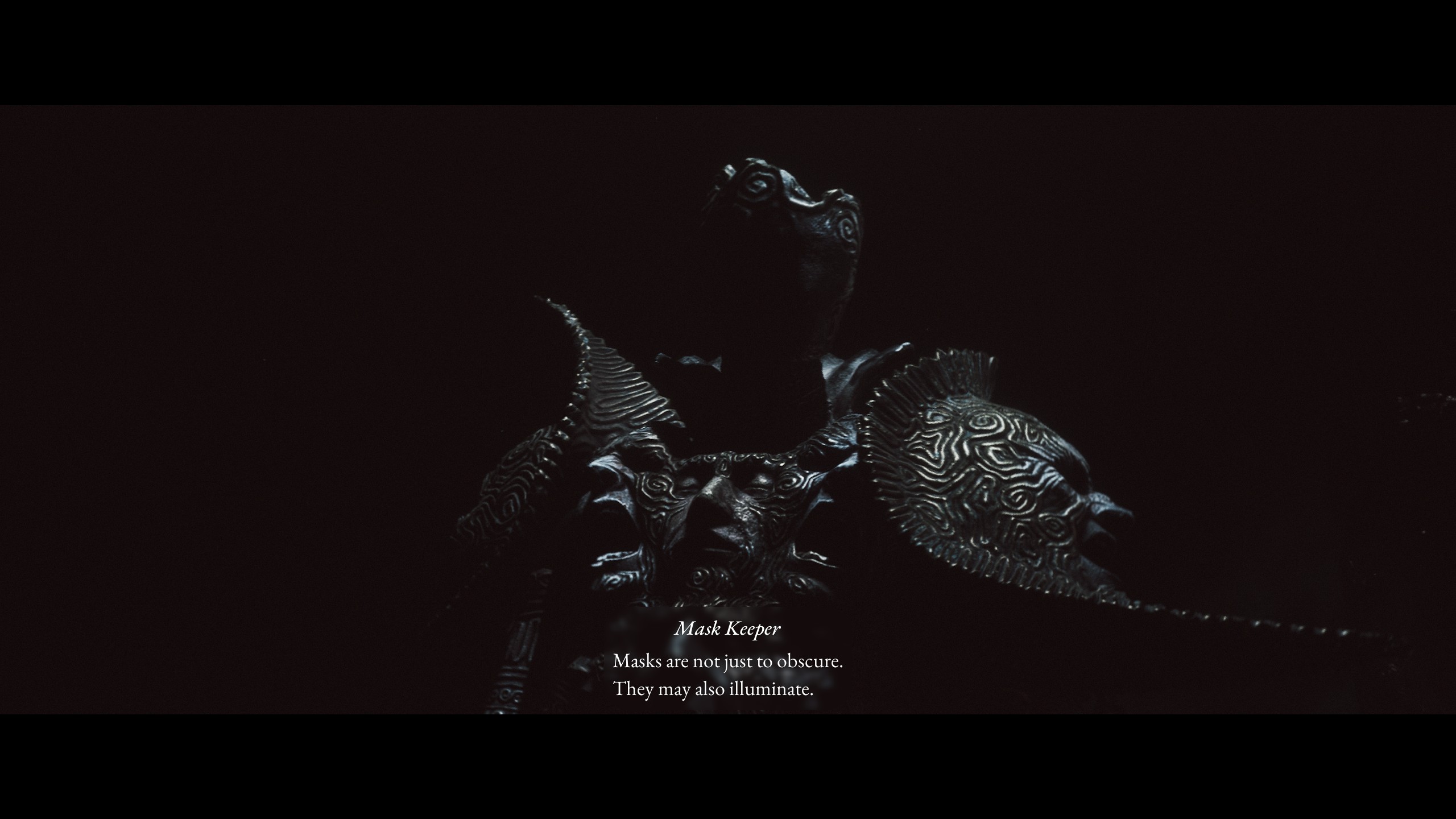
Ultimately, Clair Obscur provided a very strong experience and was probably my favourite game released in 2025 (that I played, anyway).45 It is a very ambitious game in that it had the guts to return to a genre that many in the industry seem to believe is moribund and unprofitable, the wisdom to steal aggressively from some of the genre’s best but too-seldom-imitated entries, and the bravado to iterate and update that genre where it had grown stale. I think that Clair Obscur: Expedition 33 is a very good game but I also think that the next game developed by Sandfall Interactive will be even better. The complaints that I have described herein are, on the whole, fairly minor and eminently-fixable, and I am confident that they will refine and hone their ideas into something even sharper. If we are lucky, they will also borrow Final Fantasy’s tendency of developing completely new and utterly distinct worlds, offering us something even more compelling and charming than Clair Obscur: Expedition 33. Though if 2025 saw the beginning of the Age of the FRPG, 2024 was still comfortably in the JRPG Period.
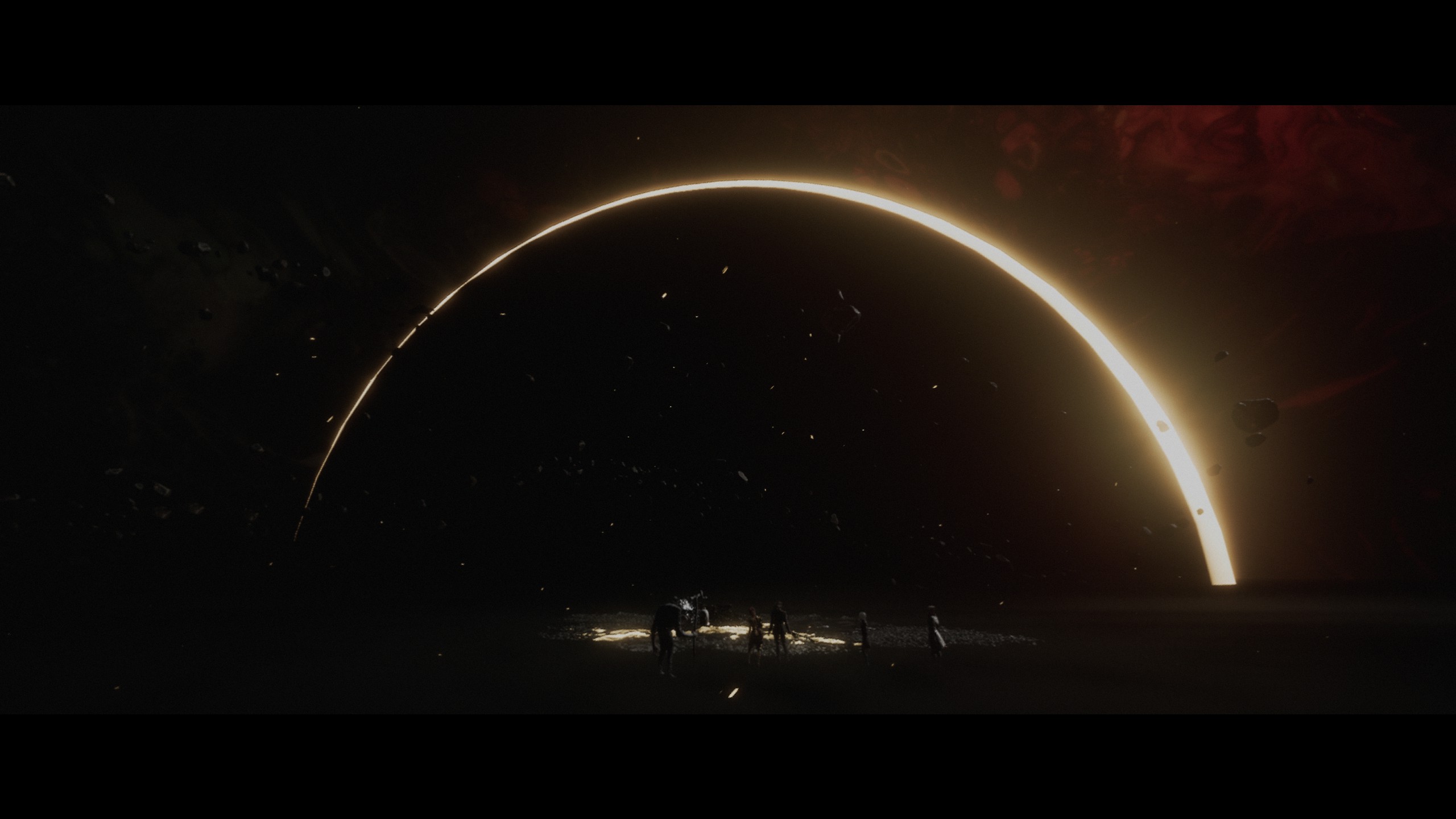
METAPHOR REFANTAZIO
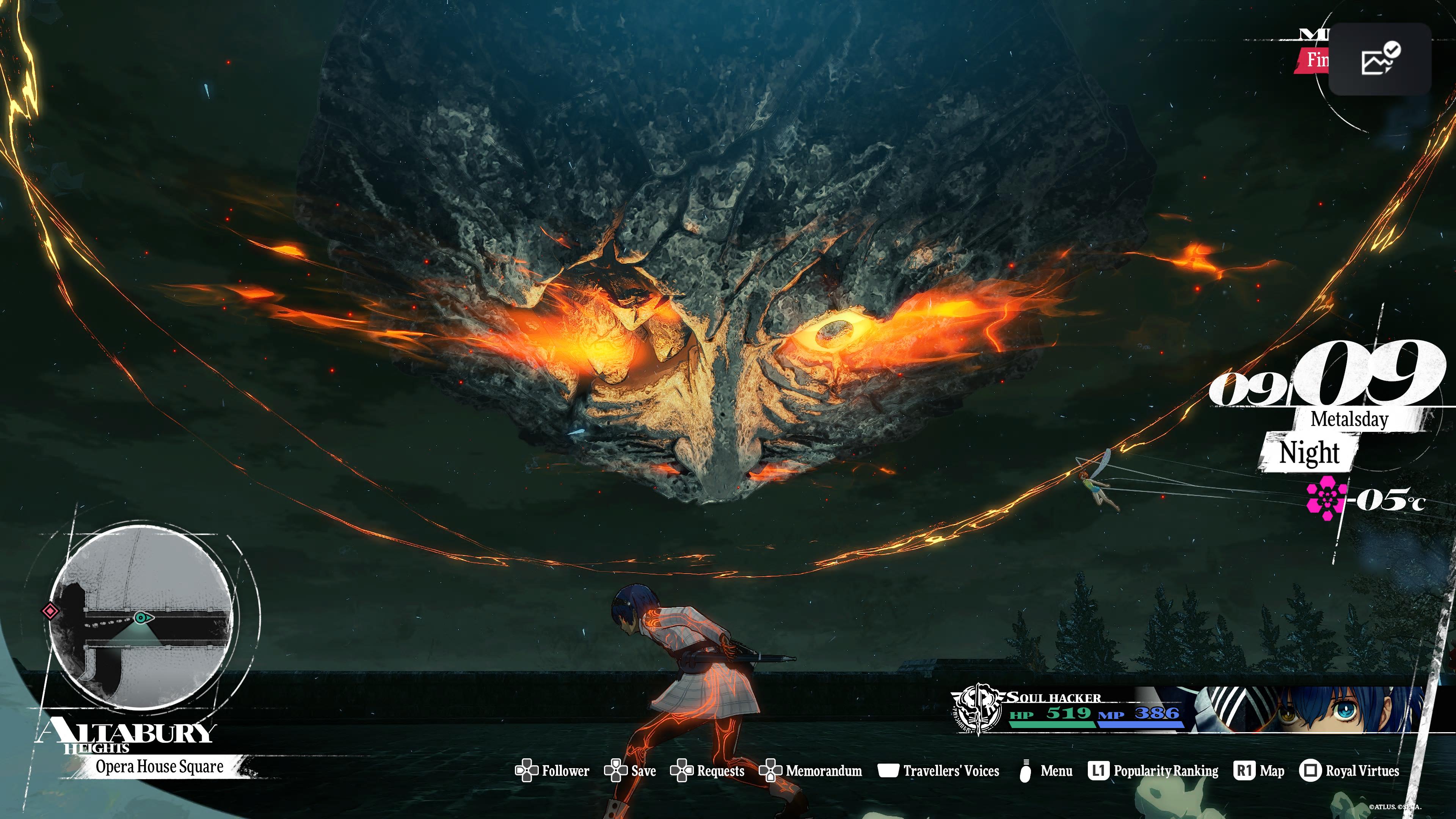
Almost-exactly nine months ago, I drafted and subsequently abandoned a Lotus Eater post tentatively-titled “I have nothing interesting to say about Metaphor ReFantazio.” The titling and abandonment of this post can both be attributed to the same simple explanation: I had and have nothing especially interesting to say about Metaphor ReFantazio. I initially thought that it would be fun to write a post about that fact but I am glad that I did not, because if I had, then I definitely would not have anything interesting to say about Metaphor ReFantazio here in my Game of the Year list. What is there to say? It is a wonderful game. Excellent characters, charming and realistic writing with a surprising plot, consistently-engaging combat and RPG mechanics, helpful quality of life features, a unique and compelling art style. It is excellent. I feel a bit out to sea here because it is very unusual for me to have little to say about a game, especially if it was my favourite game in a particular year. In the interest of finishing this list properly though, let me tell you a bit about the power of Fantasy.
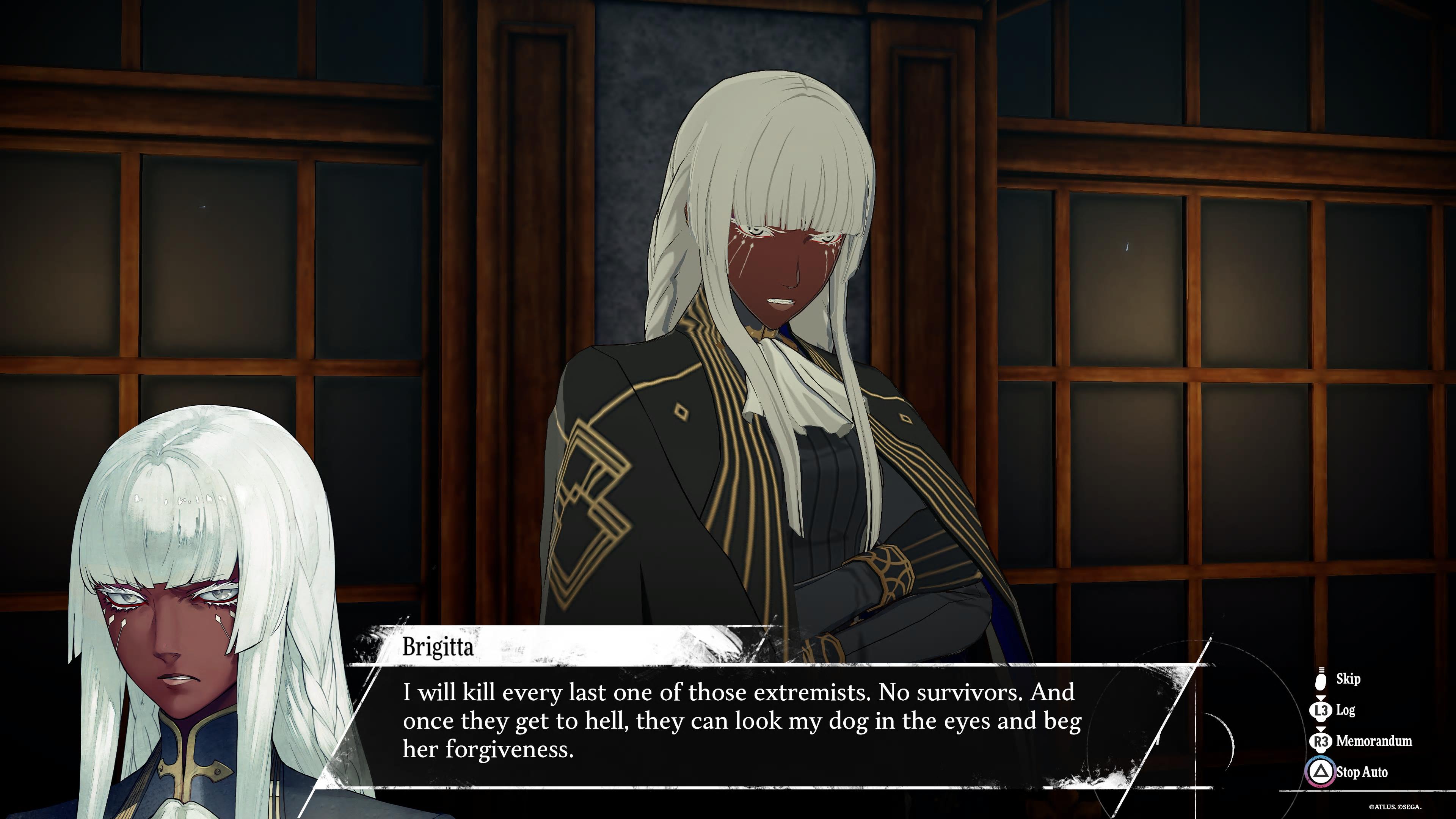
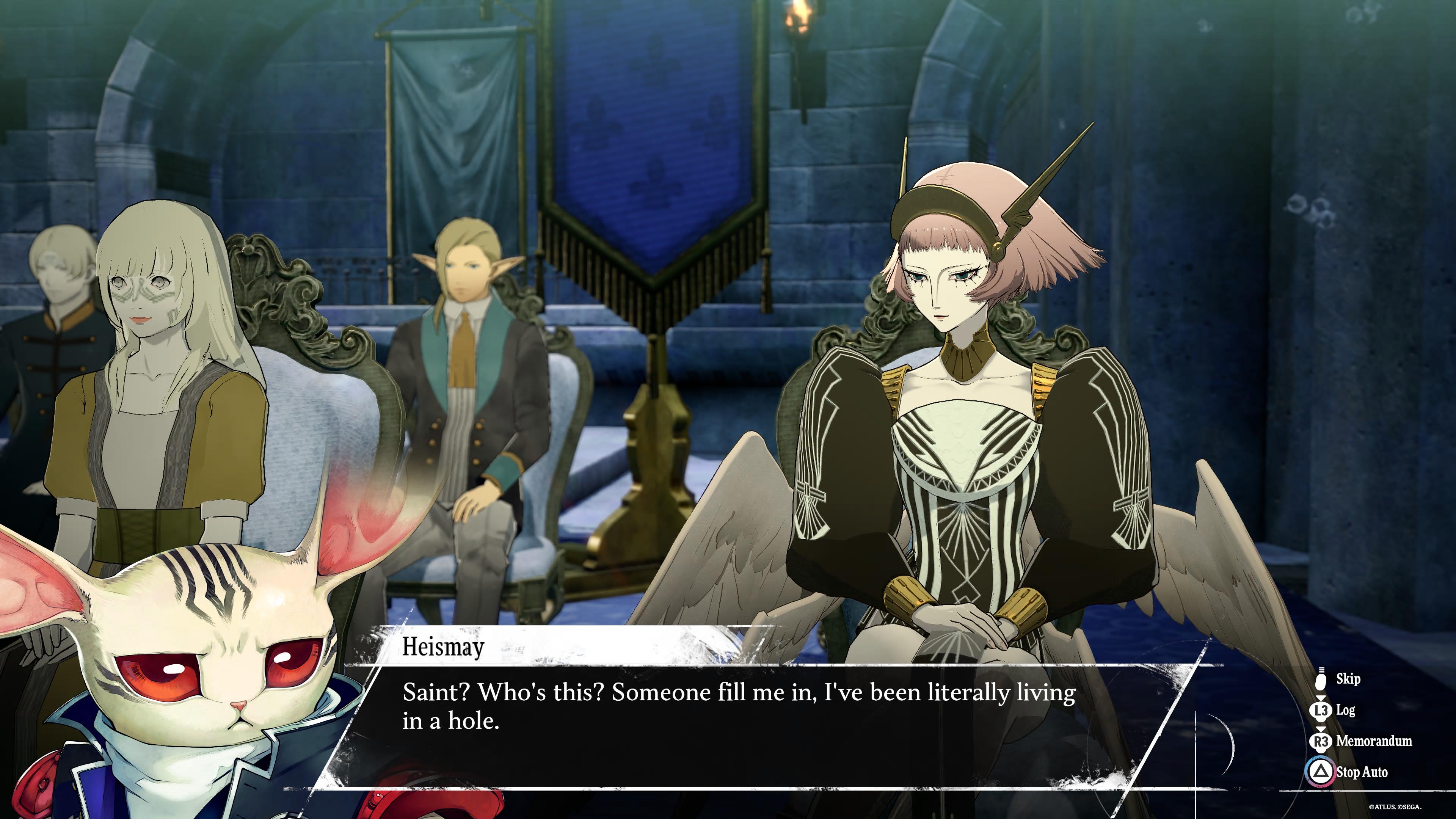
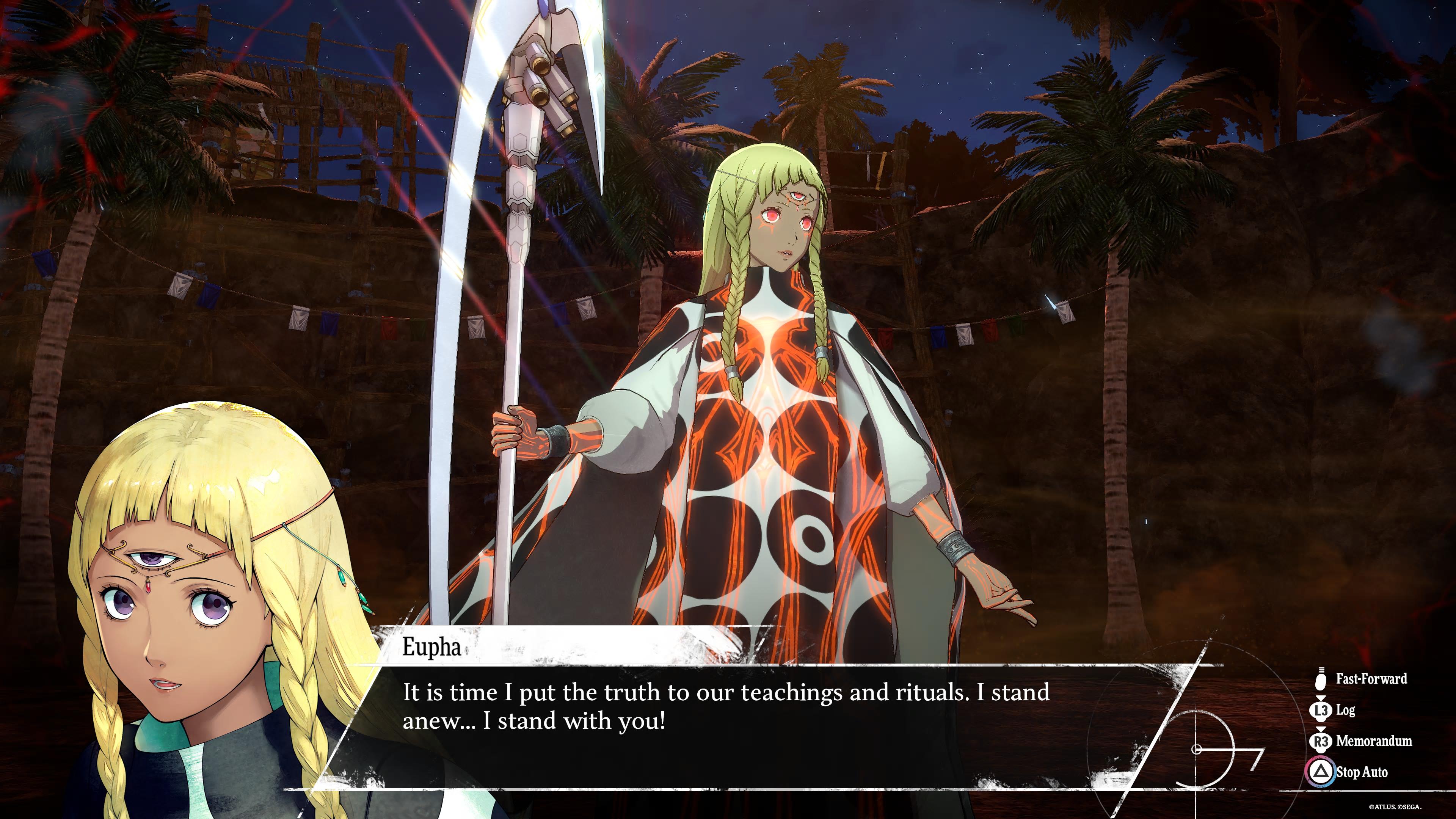
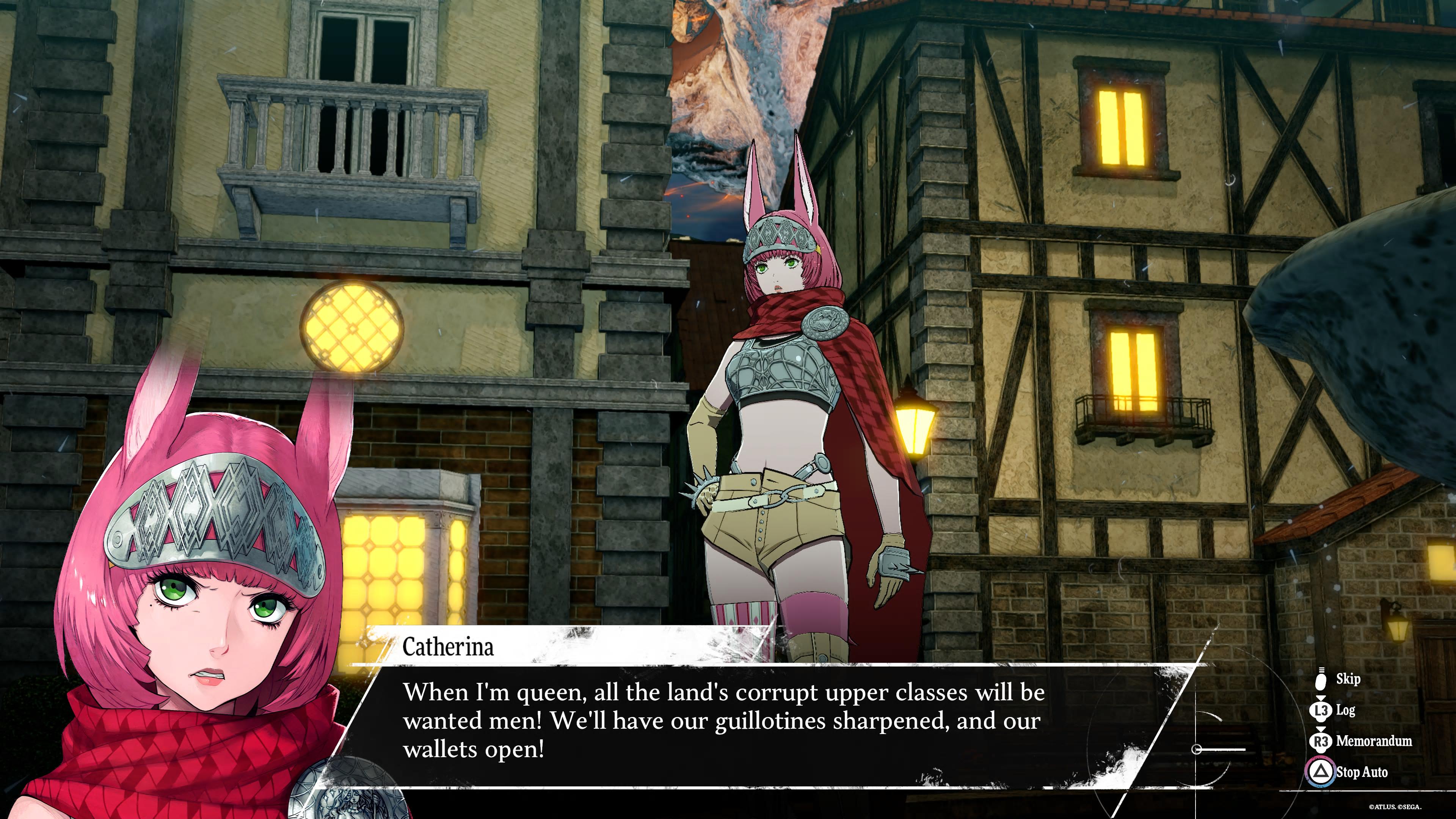
For those uninitiated, Metaphor ReFantazio is sort of like Persona 5.5. Although not created by P-Studio—the aptly-named team responsible for Persona 4 and 5—it was developed by a new studio featuring many of the people responsible for the modern Persona entries. For this reason, Metaphor ReFantazio feels very much like a Persona game, and yet it is also quite distinct. The simplest description of modern Persona games is that they are a hybrid of social simulators and dungeon-crawlers, where one’s actions in one half of the game tend to affect their experiences in the other. This is also the case for Metaphor but, whereas Persona games take place in the modern era of real-world Japan, Metaphor takes place in the medieval fantasy world of Euchronia, complete with its own complex political structures, racial hierarchies,46 and metaphysical configuration. You play as Will, a boy from the lowest rung of the racial hierarchy, who wishes to aid his childhood friend—a friend that also happens to be the believed-dead-but-actually-comatose Prince of Euchronia. Before long, you realize that your true goal in Metaphor ReFantazio is that classic JRPG that we all know and love: winning a democratic election.47 And, as in any JRPG worth its salt, along the way you accrue a merry band of creeps, weirdos, and eccentrics who seek to aid in your campaign.
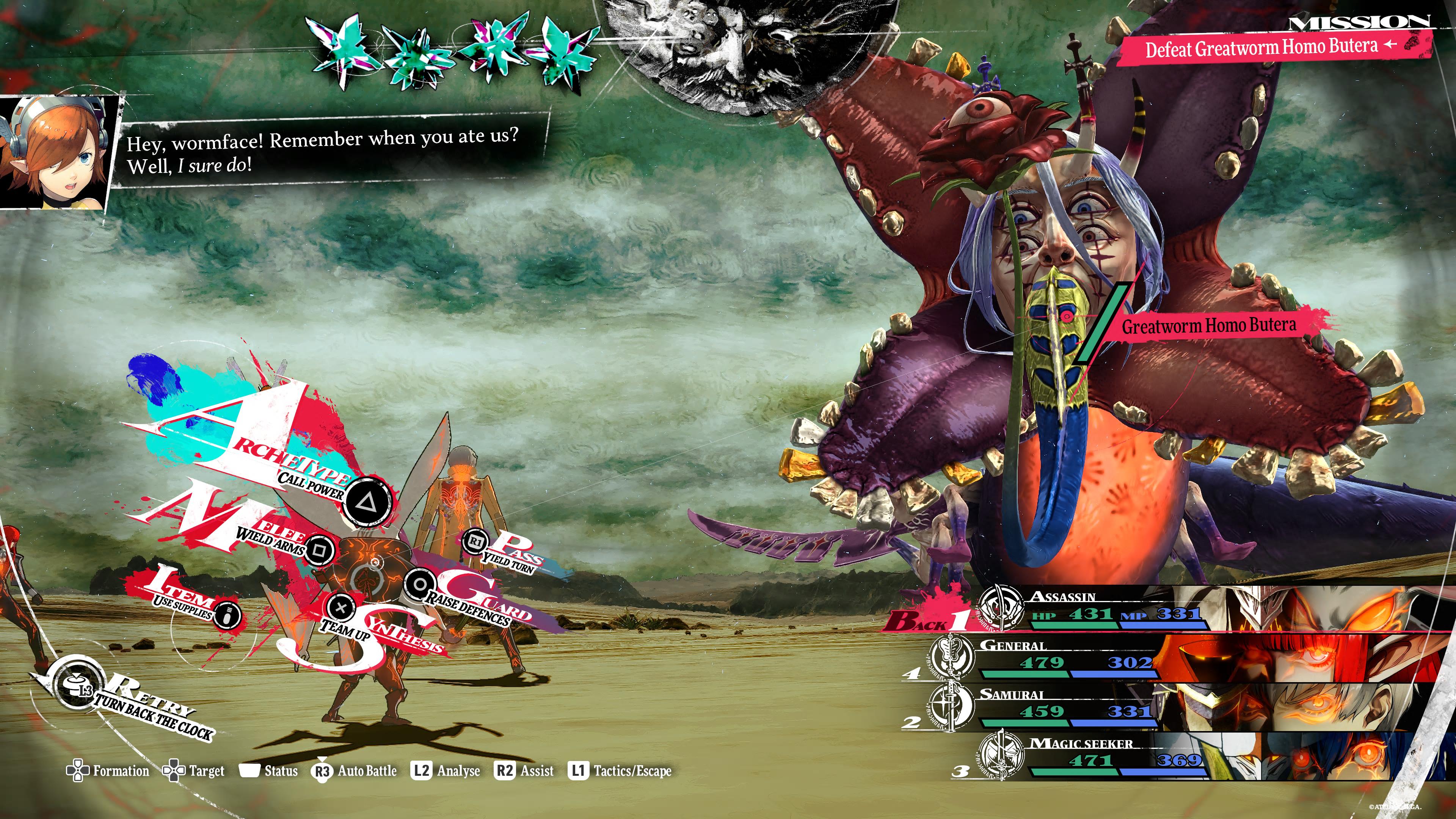
Because Metaphor has been detached from the Persona or Shin Megami Tensei branding, it is free to establish its own mechanical and visual identity, and it makes liberal use of this freedom. Although there are high-level resemblances to the persona and demon systems used to construct and customize your party in Persona, Metaphor’s archetype system quickly distinguishes itself. In short: An archetype is a class and every character in your party has access to every archetype. Each archetype is associated with a person with whom you have bonded during your campaign; the stronger your bond with that person, the more powerful the archetype becomes. Characters can import skills and abilities across archetypes and, if they are strong enough in the right combination of archetypes, unlock more powerful unique archetypes. In a tradition more associated with Final Fantasy than Shin Megami Tensei, archetypes vary widely and offer very different styles of play: the Gunner is highly-effective in the backline but has shoddy defence; the Commander can support her allies and has access to the strongest team-up attacks; the Faker plays with chaos, sometimes taking multiple actions in a turn, applying debuffs and status effects, or avoiding mana costs, but be careful—he has more vulnerabilities than other archetypes. The true beauty of the archetype system is the way in which these dozens of classes can all be combined for every character to produce a full roster of unique and individuated party members. This contrasts positively with the analogous systems in the Persona series, which typically allow minimal customization for any character but the protagonist. Although I did find myself missing Persona’s demon collection and fusion, I must admit that Metaphor’s archetype system is ultimately stronger; it is one of the most satisfying RPG class/progression systems I have encountered, and I hope that Persona 6 finds some way to infuse it into the traditional Persona gameplay.
The game also establishes a very strong, very unique visual identity for itself. The maximalist-stylish aesthetic of Persona 5 has returned but the world itself and its inhabitants are like nothing we have seen in Persona. Thanks to the division of Euchronia into ten unique humanoid sentient beings, your friends, rivals, and supporters vary wildly, variantly landing in the domains of weird, cute, or so-what-is-going-on-with-that-guy. Enemies, on the other hand, are all absolutely monstrous, and many were openly lifted from or inspired by the work of Hieronymus Bosch. A giant ear holding a knife, a papist gimp sandworm chimera, whatever this guy is: all this and more is waiting for you in Metaphor ReFantazio. Persona enemies and demons tend to be unique and memorable but Metaphor’s artists seem to have been just let off the leash and encouraged to get absolutely nasty with it.48
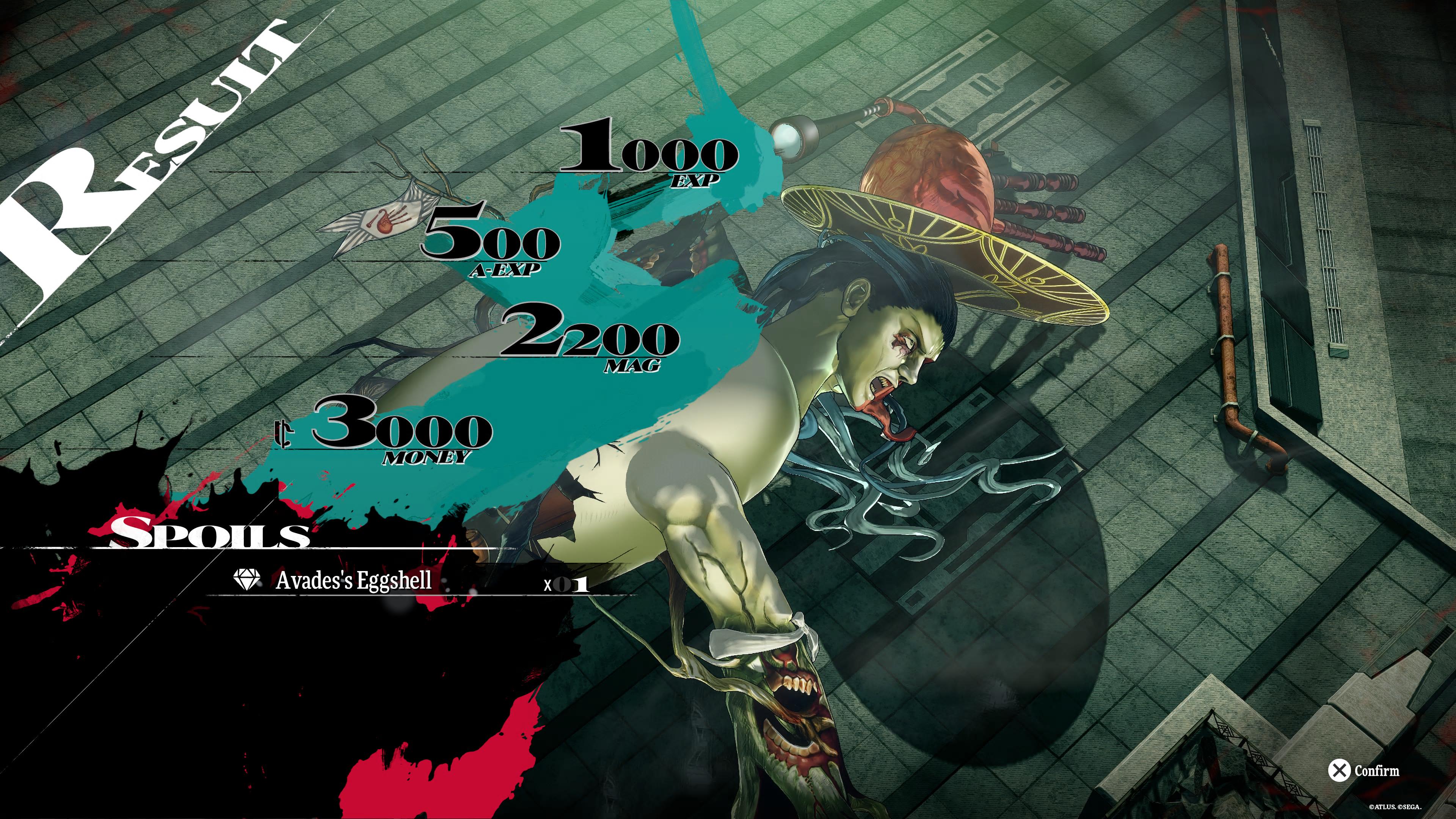
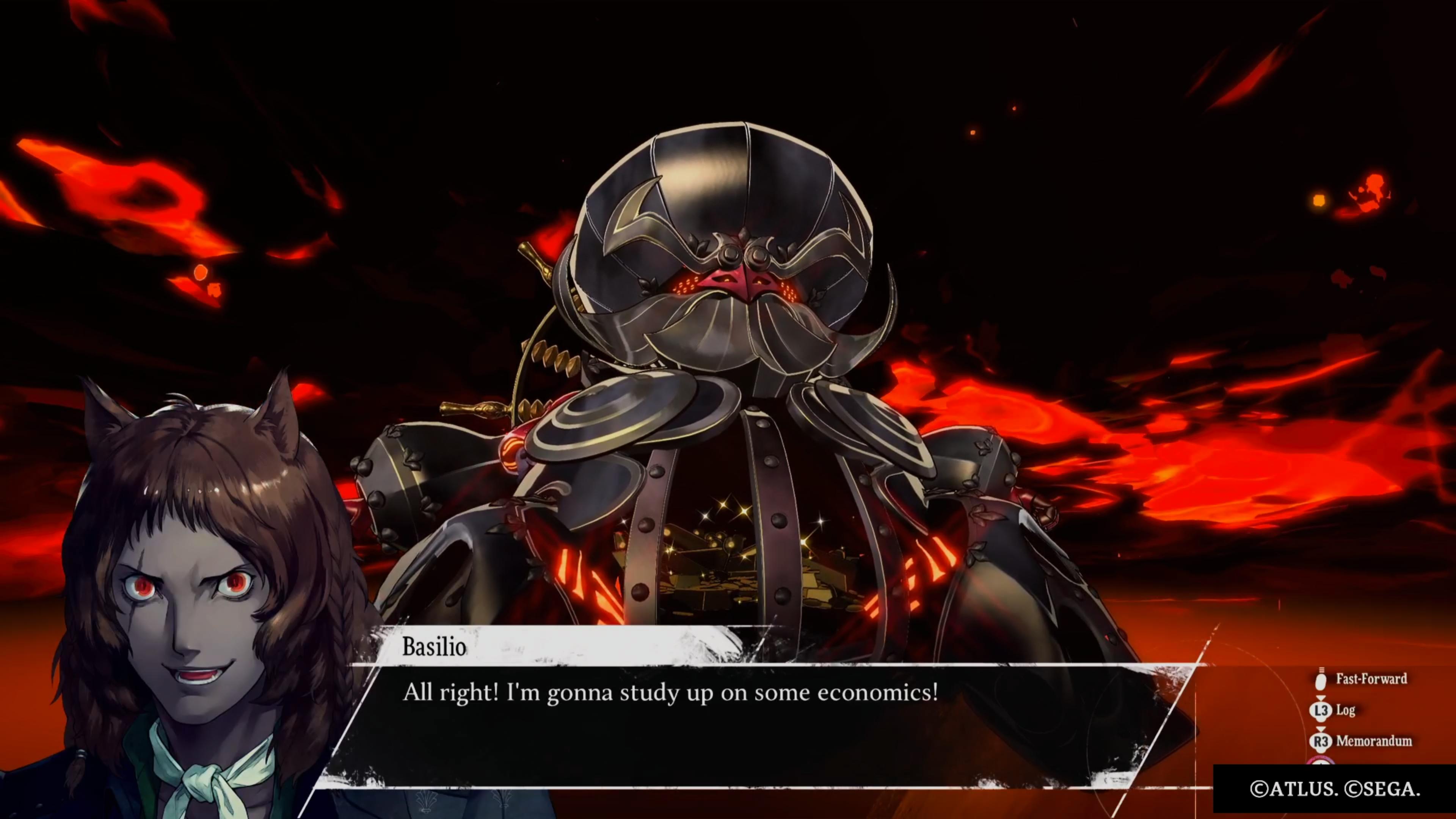
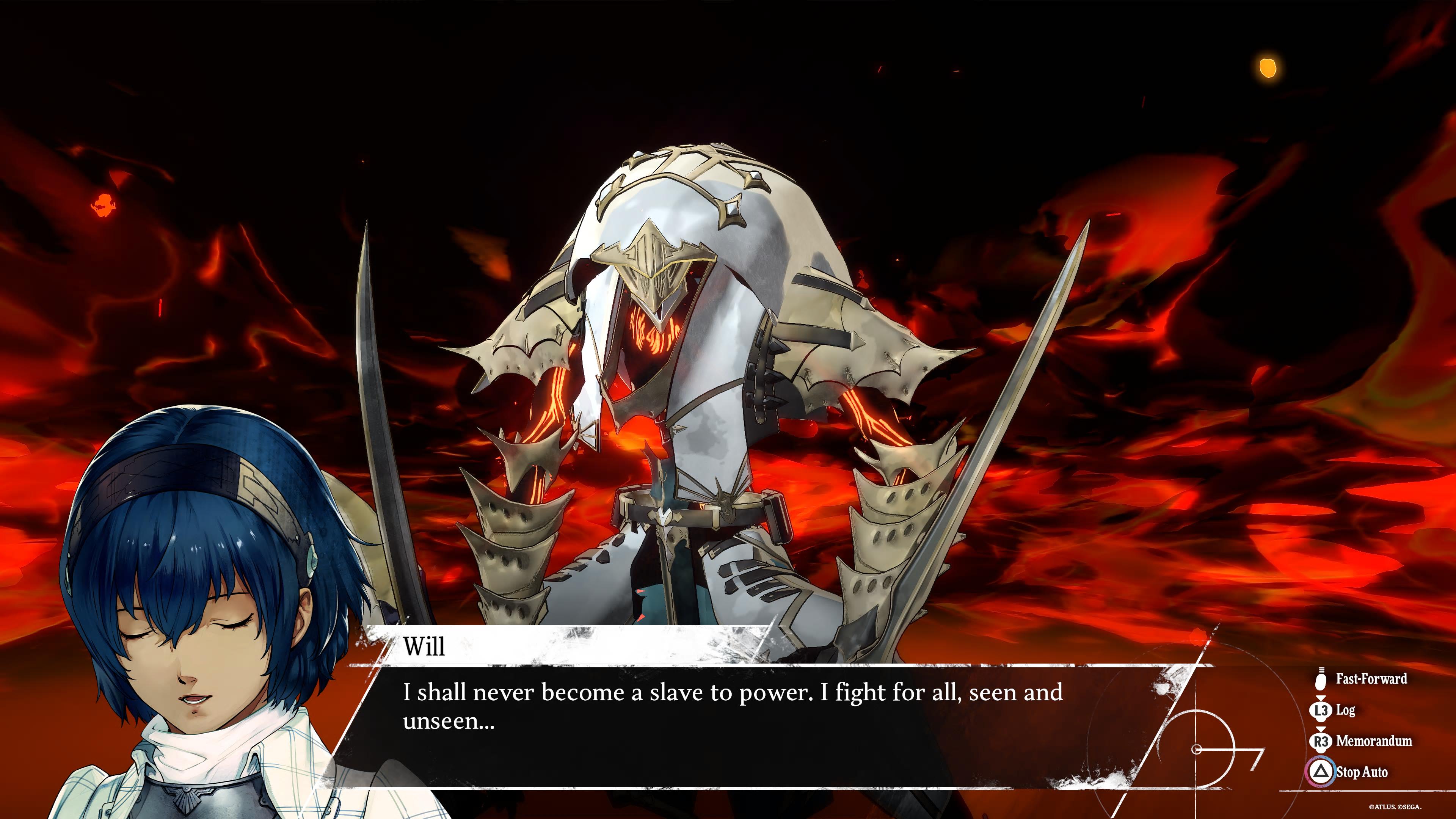
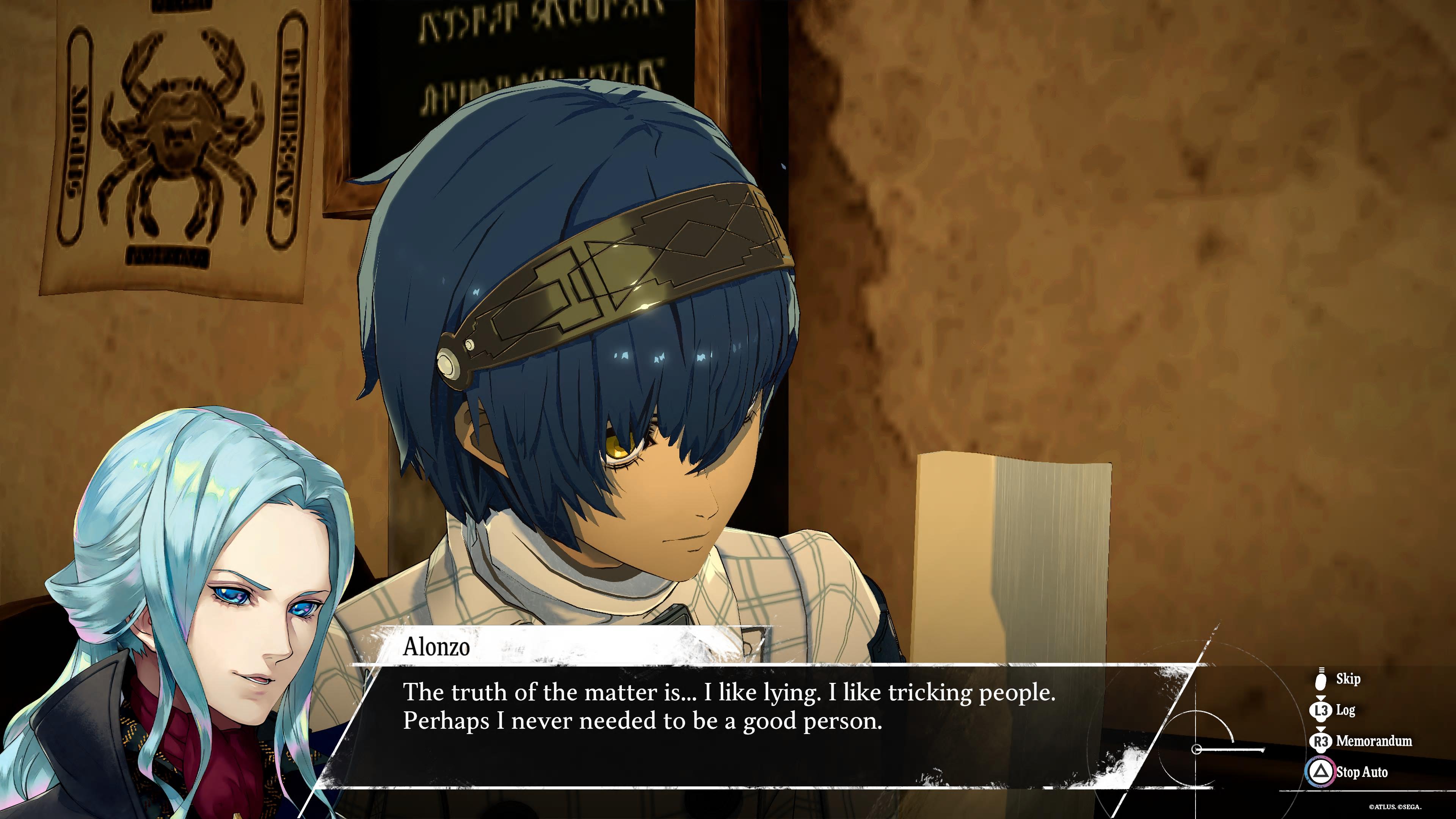
Following in the Persona tradition, Metaphor ReFantazio has also assembled a cast of charming and lovable playable characters, each with their own distinct personalities and visual designs, though this may have been their most successful ensemble yet. I loved every member of my party in Metaphor and was shocked to find that my affections ran just as deep for late-game additions to my crew as for the earliest.49 I found every character’s backstory engaging (to some extent, anyway), even if they began in ways that felt clichéd or tame. Each eventually found their way to being shocking, poignant, or—at the very least—sweet. Because Metaphor is not restricted by Persona’s traditional reliance on teenagers, the game is able to offer a much greater variety in playable characters, and this diversity led to a welcome dynamism in their interactions. Visual designs for these characters—along with non-playable characters—were also often more memorable (or at least more varied) than those of Persona because of the fantastical setting in which the game takes place. Relationships with non-playable characters were a slightly-more mixed bag (as they often are in Persona), though they still offered their fair share of intrigue and affectivity. What unites most of these side-stories is an ability and willingness to do things that are daring, surprising, and touching, and I found myself more-or-less attached to each of them.
Metaphor’s main plot is one of its most surprising strengths, though my perspective on this may require some explication. The game opens with a few hours of very traditional medieval JRPG table-setting, which—it brings me no pleasure to say—is often quite boring for me. The medieval fantasy-themed Final Fantasy games are, in my opinion, the least interesting entries, and I usually just cannot bring myself to care about the history and complex geopolitical relations of states that I have only just met. Thankfully, Metaphor quickly distances itself from this sort of storytelling by establishing strong, likeable characters and using them to drip feed the player Euchronia’s world history and geopolitics. The game also makes good on these implicit promises; in contrast to something like Final Fantasy XVI, which literally has you attend history lectures before giving up on telling a story about the various state powers anyway, Metaphor finds a way to make its political storytelling both interesting and relevant to the player. I fancy myself rather good at predicting where stories are headed but Metaphor so often zigged when I thought it would zag that I just had to give up on that habit and enjoy the surprises. Thankfully, despite being unpredictable, unclichéd, and at times truly shocking, the game’s main plot still felt realistic and (mostly) believable. The twists and upsets and deaths and reveals all felt earned to me and I was only further engaged as the plot progressed. The villains were genuinely menacing, the betrayals were honestly painful, and the triumphs were hard-earned and infrequent enough to actually feel meaningful.
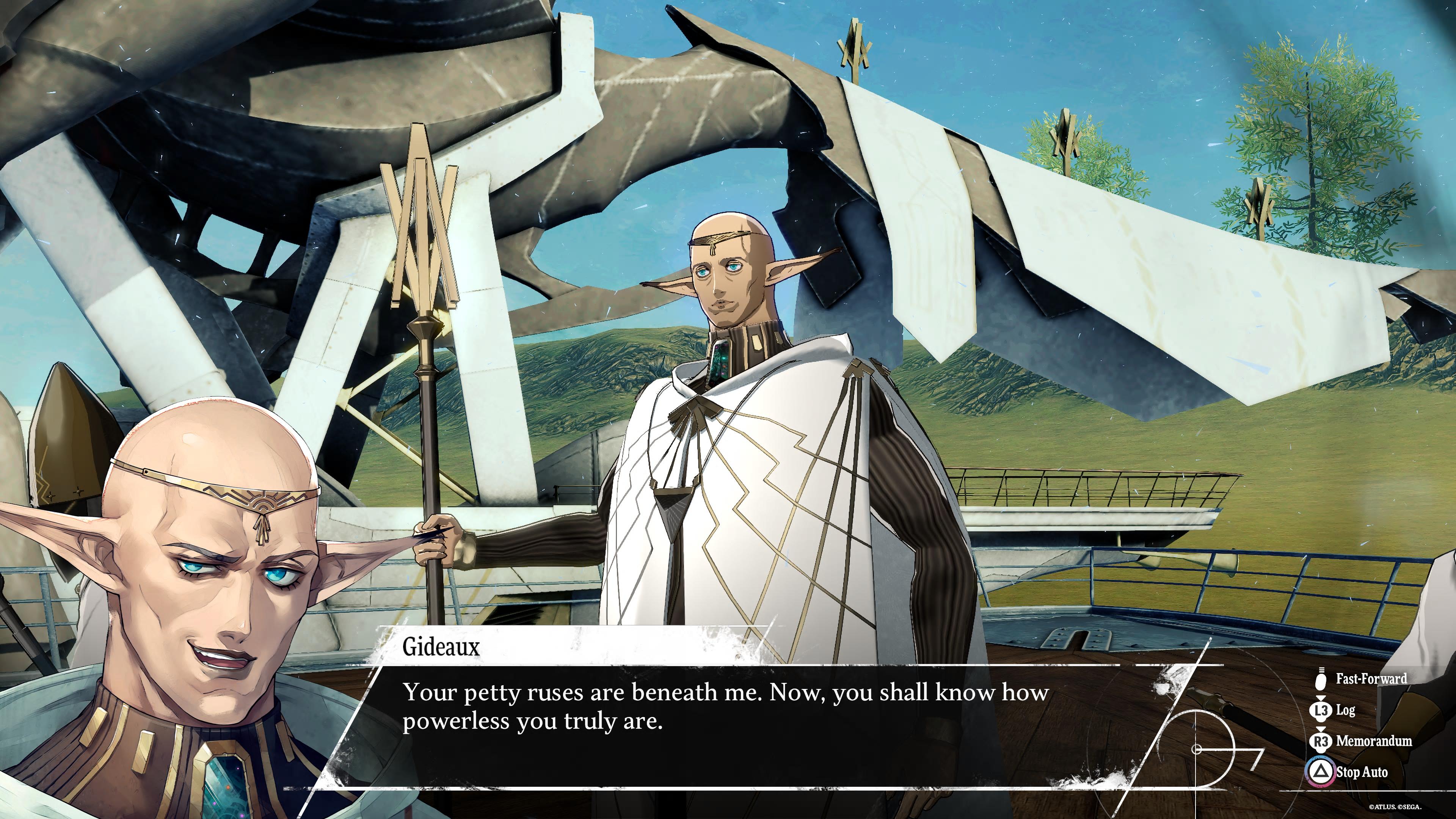
Metaphor also does something most games would never consider, which is to invoke real-world ideologies: libertarianism, radical veganism, populism and elitism, and even an honest-to-god appeal for gerontocracy all make their way into the game’s political meditations. Although I found this very amusing, Metaphor does not do anything especially deep or nuanced with these conflicting ideologies—though it also does not really claim to, to its credit. I will say that it avoids the standard pitfall of writing about political ideologies—the pat dismissal of them in favour of some milquetoast end-of-history western liberalism—and that is good enough for me. As for the game’s other lofty topics—isolationism, racism and xenophobia, equality and equity, whether the use of violence can ever be justified—I am similarly unsure that they are going to intellectually-enrich the average player, but they are at least a great deal chewier than you might expect for a JRPG (or Persona spin-off).50
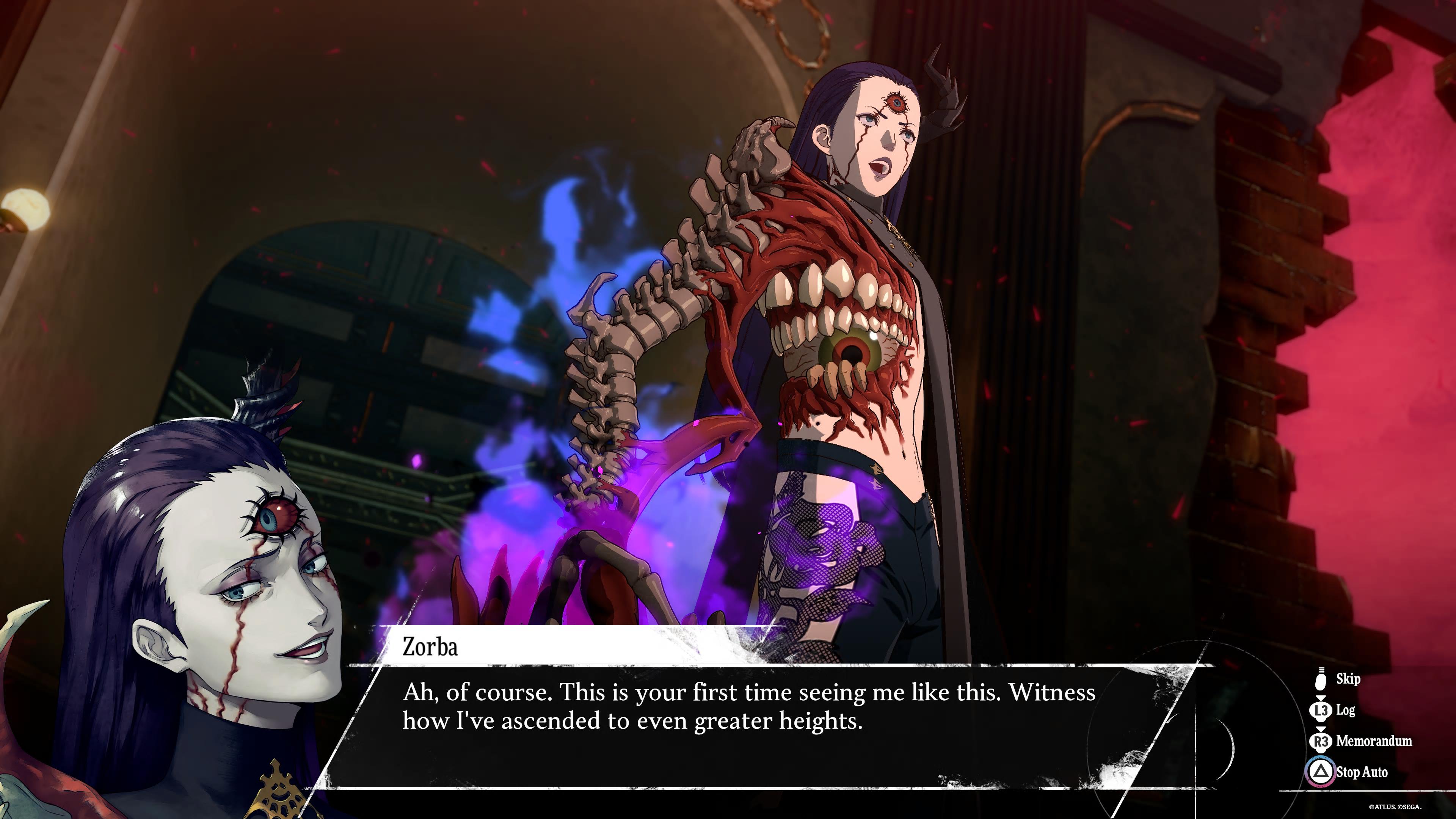
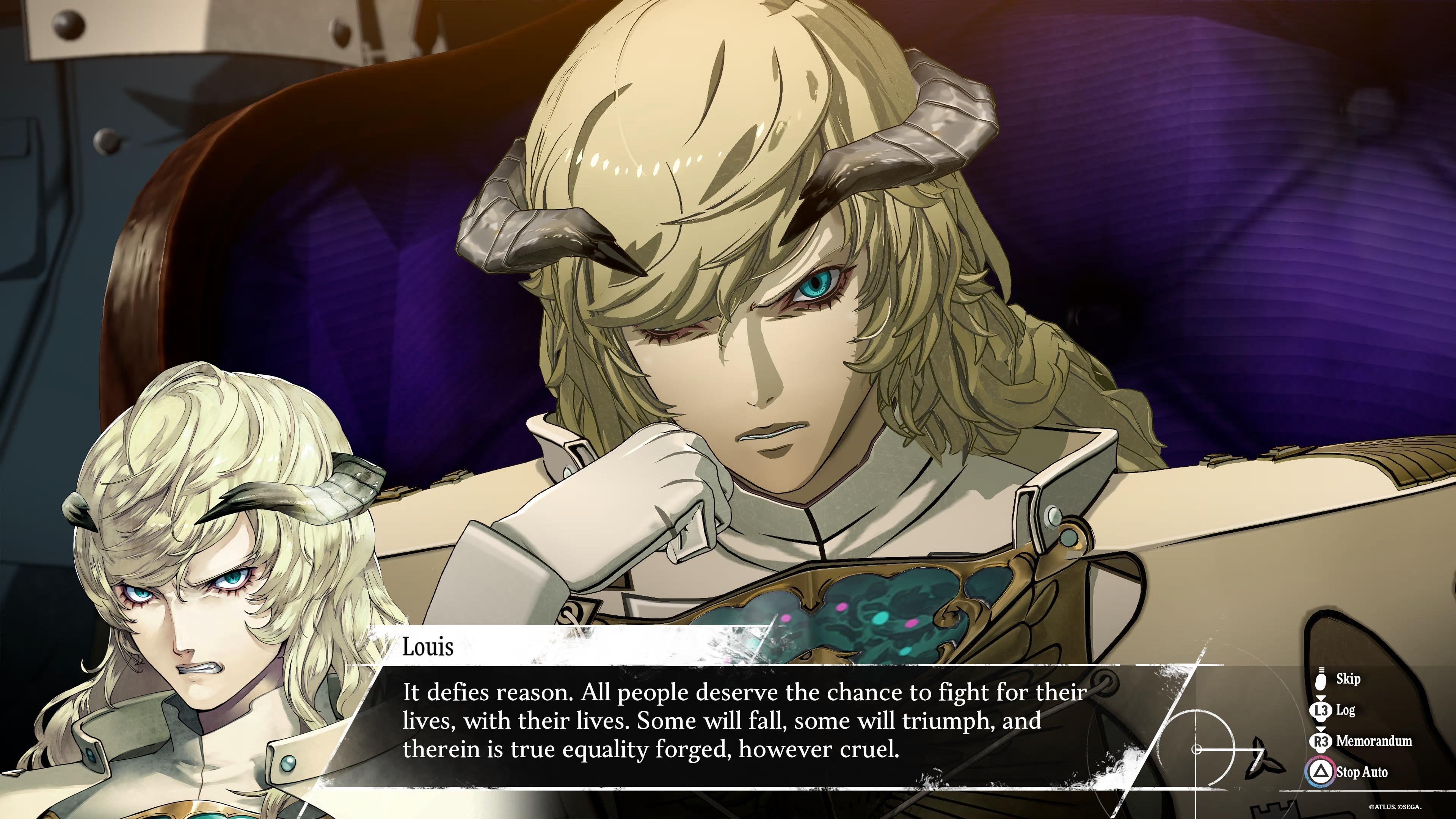
The game is has its faults, certainly. It is long—too long, probably, even considering that it is a JRPG and should be Pretty Long. It has a few too many “oh it’s ending” moments where it turns out that you’ve actually got a few more (or a dozen) hours left. My most contrarian take is that I hated its music. As with Expedition 33, most people seem to actively love Metaphor’s music, but I found it obnoxious and unpleasant. Getting a monk to chant in Esperanto for your songs seems like a neat idea until it is turned way up in the mix and it’s all you can hear for dozens of hours. I found the music so repellant that I uncharacteristically considered spending $7 on an alternate battle theme, borrowed from one of Atlus’s other RPGs.51 Some of the songs are perfectly pleasant, of course, and many are not odious but just completely-forgettable medieval fantasy muzak. This is far below what I expect from a composer like Shoji Meguro, however, who has composed some of videogames’ most iconic scores. I recognize that this is likely a Me problem, but I am sure that there must be others out there who found the music of Expedition 33 and Metaphor ReFantazio to oscillate between forgettable and actively-hostile.52 In spite of the game’s baby-handful of weaknesses, however, I found it to be incredibly-engaging and absolutely worth its many dozens of hours. I suspect that it will prove to be one of the most memorable games of this generation.
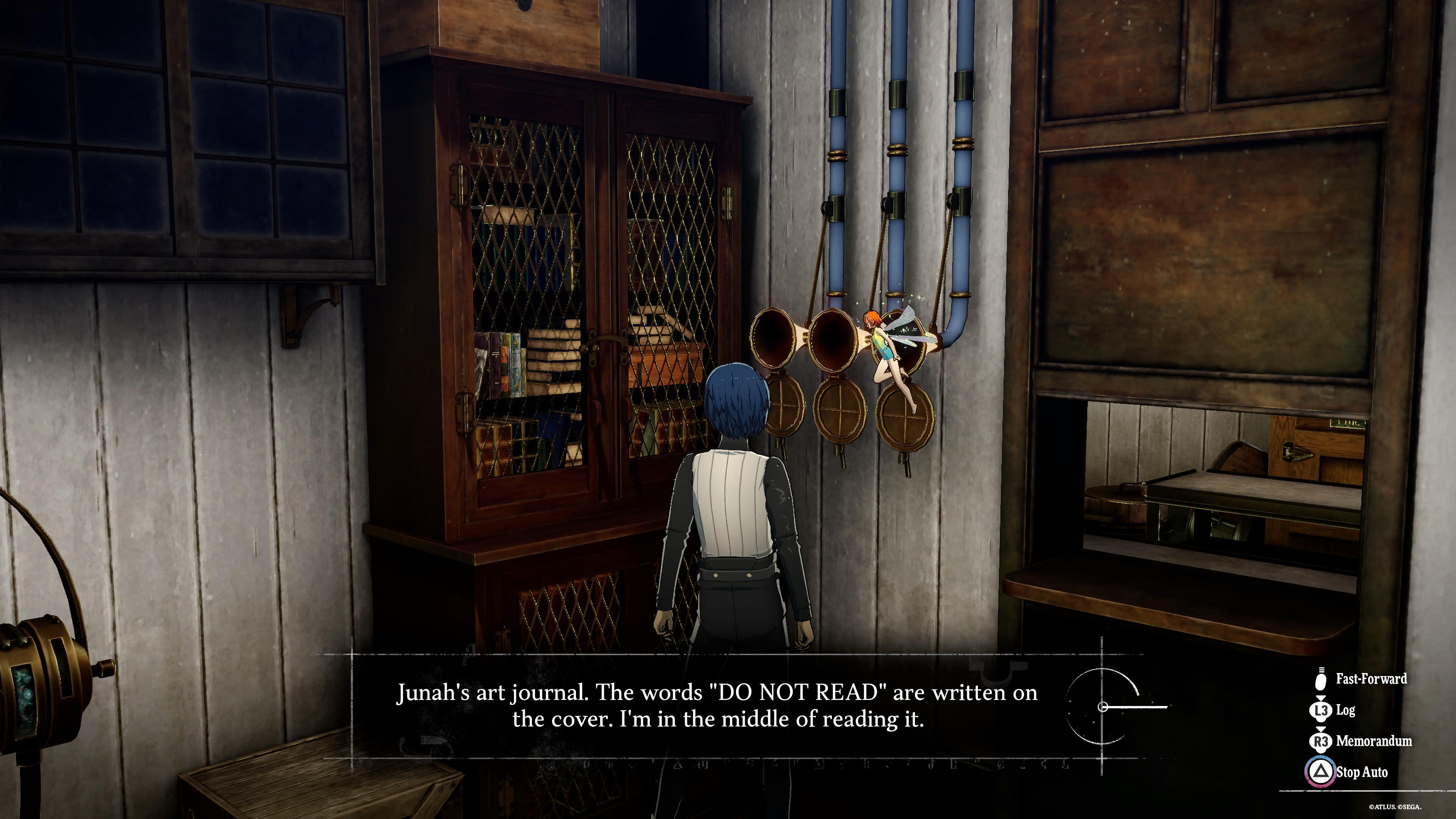
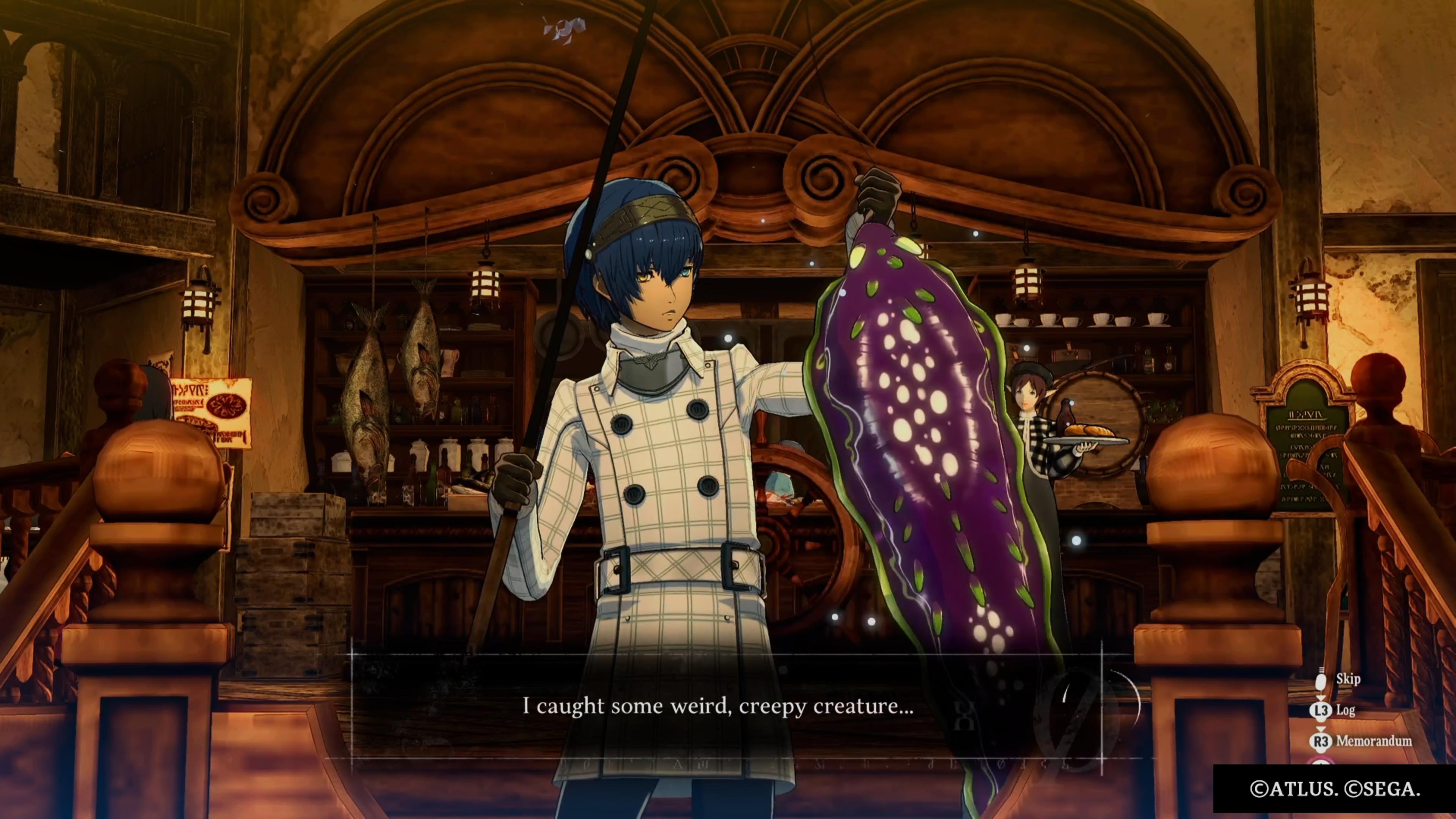
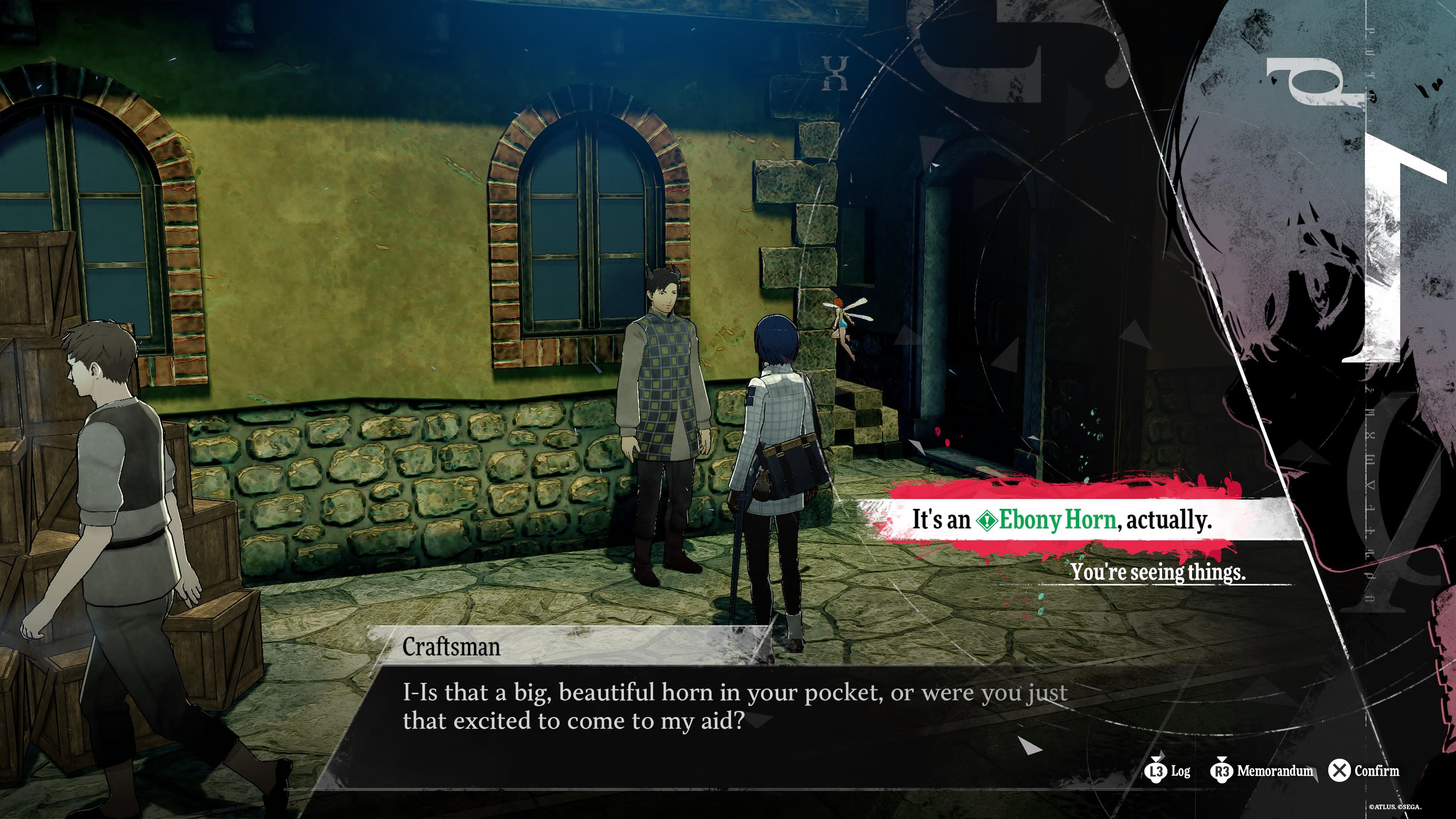
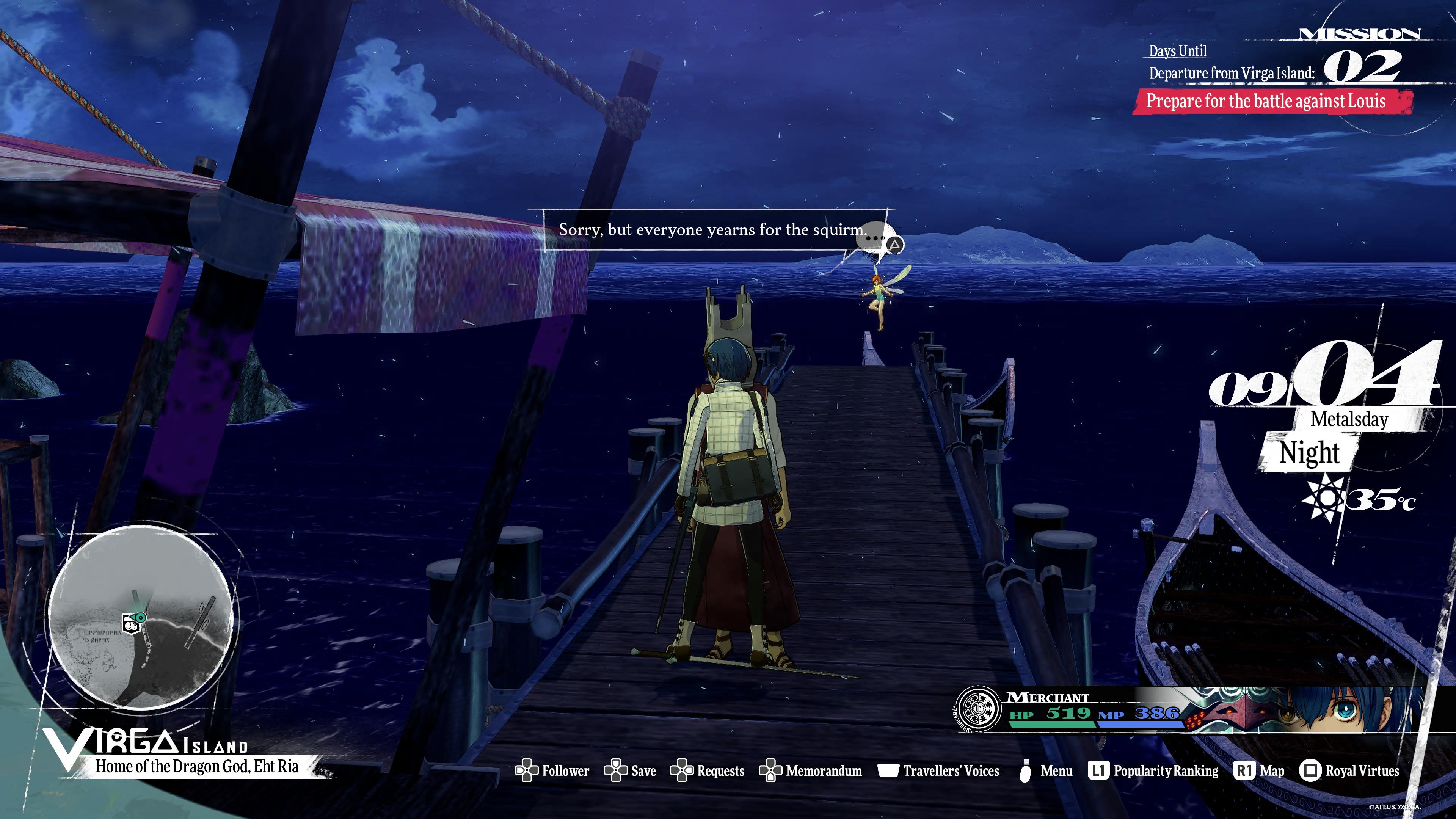
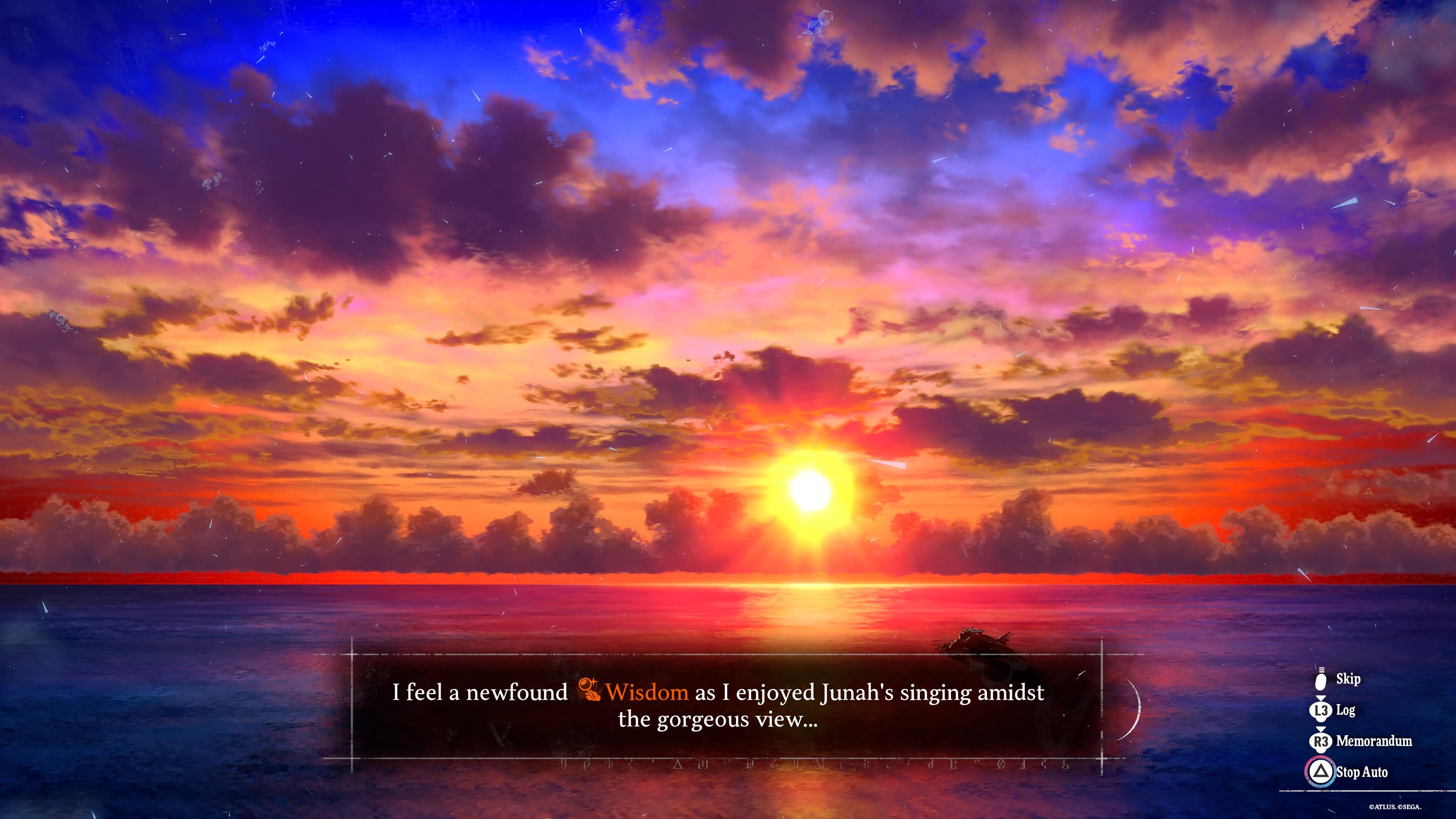
One of Metaphor ReFantazio’s major themes is the power and import of storytelling. I happen to agree with this thesis, though I am not sure that Metaphor supports this claim as effectively as some other aspects of its narrative.53 It reiterates this idea explicitly and repeatedly, telling you directly that fiction has the power to change hearts and minds, but I never quite felt that this theme was substantiated meaningfully by the game’s story. Then again, I have just spent nearly 2000 words complimenting Metaphor ReFantazio, despite having claimed that I did not have much to say about it, so perhaps it is itself a testament to the impact and value of Fantasy.
Final Considerations

What a strange year it was for videogames. There were three different Ninja Gaiden games released this year, did you know that? I thought that I would be buying the Switch 2 at launch—my first time getting a console near its release—but it was ungodly-expensive and they forgot to make very many good games for it. So it goes. Did you know there was a new Zelda this year? I literally just found out. Do you know how much time I spend consuming games media? How is it possible that there was a new game with “Zelda” in the title and no one talked about it? I’ll just get a Switch 2 when The Duskbloods releases, I suppose.
It was also strange (if gratifying) to discuss ten games in this Game of the Year post. I did not think that I had played ten games that I loved this year—and perhaps that is so—but I now know that I at least played ten games that I liked a great deal. That said… ten games is simply too many for me to discuss, unless I am willing54 to truncate these discussions considerably. For a variety of reasons, I failed to post on this website for most of the year. This has been source of some shame for me, though it has also jammed up the pipes quite a bit. Evidently my Desire to Write About Videogames keeps accumulating if I don’t open the release valve every so often, and I think there’s something strange growing in there now. At the very least, it seems medically-inadvisable to blast it all out at once and yet here we are. Ideally, I think, I would just find ways to discuss games on a regular basis and then stick to covering five games that I truly loved in my Game of the Year post. Here’s hoping. For now, let’s violate that rule even further.
Honourable Mentions
THANK GOODNESS YOU’RE HERE!
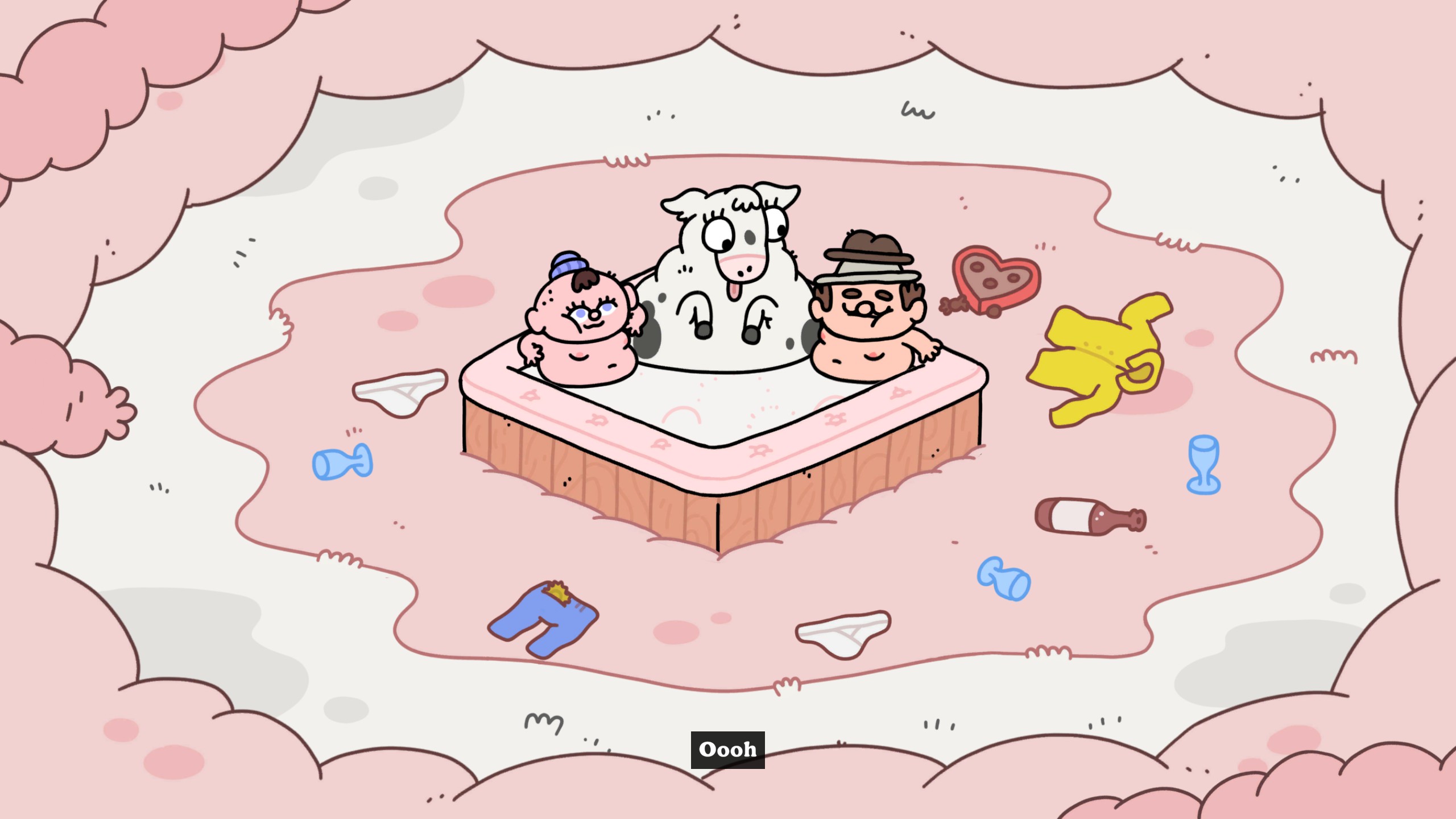
Thank Goodness You’re Here! was originally intended to be discussed in this post but got bumped for one entry or another. Maybe the Lies of P DLC, it doesn’t really matter. It is comfortably one of the funniest games I have ever played and I laughed out loud at it constantly. I have no fewer than eleven videos of it saved and occasionally go back to watch them and I am still tickled. It is a lovely game that too few people played.
BLUE PRINCE
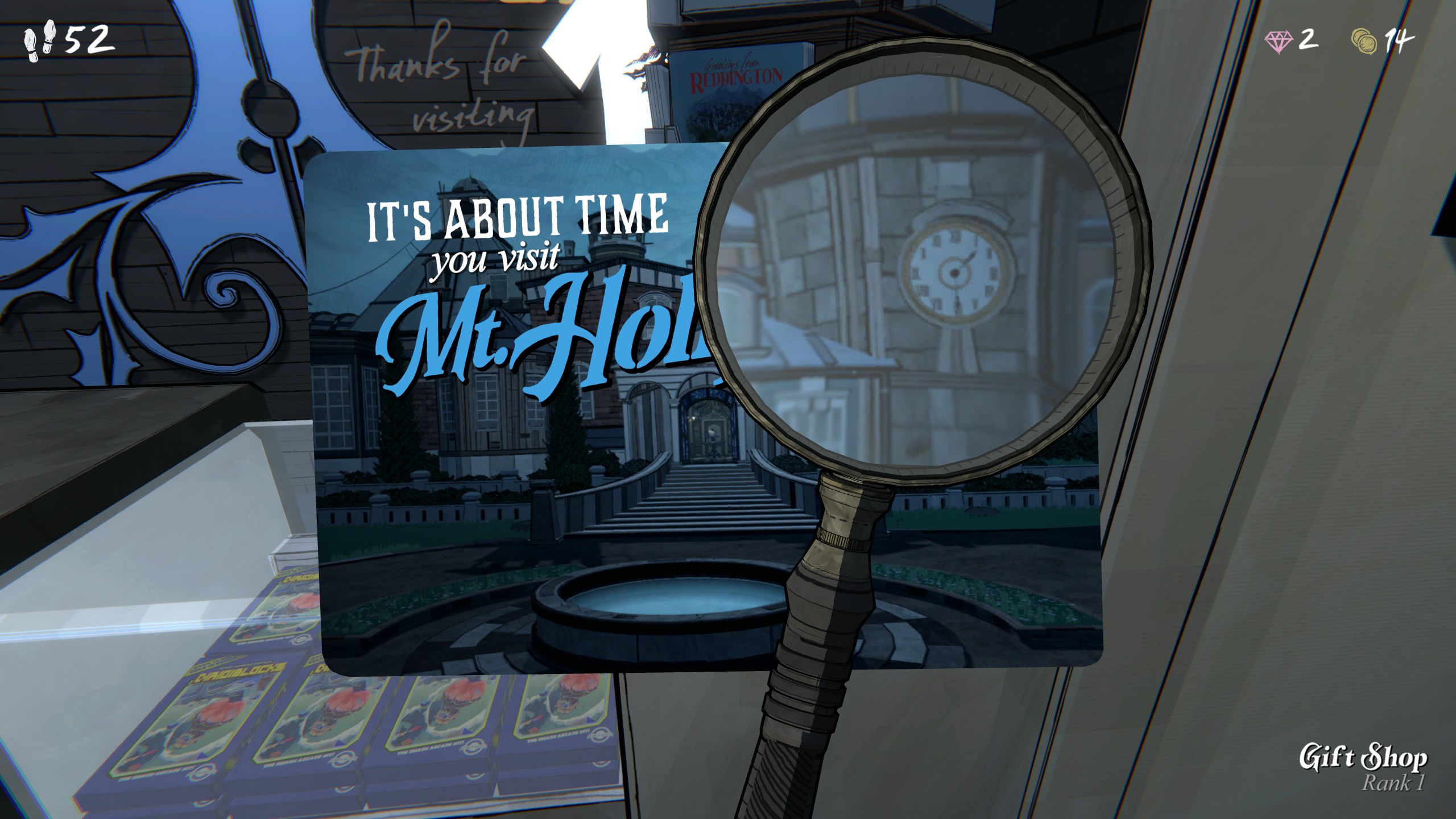
Okay, yes, fine, I liked it. But time has only made me more sad and irritated about what it Could Have Been.
KINITOPET
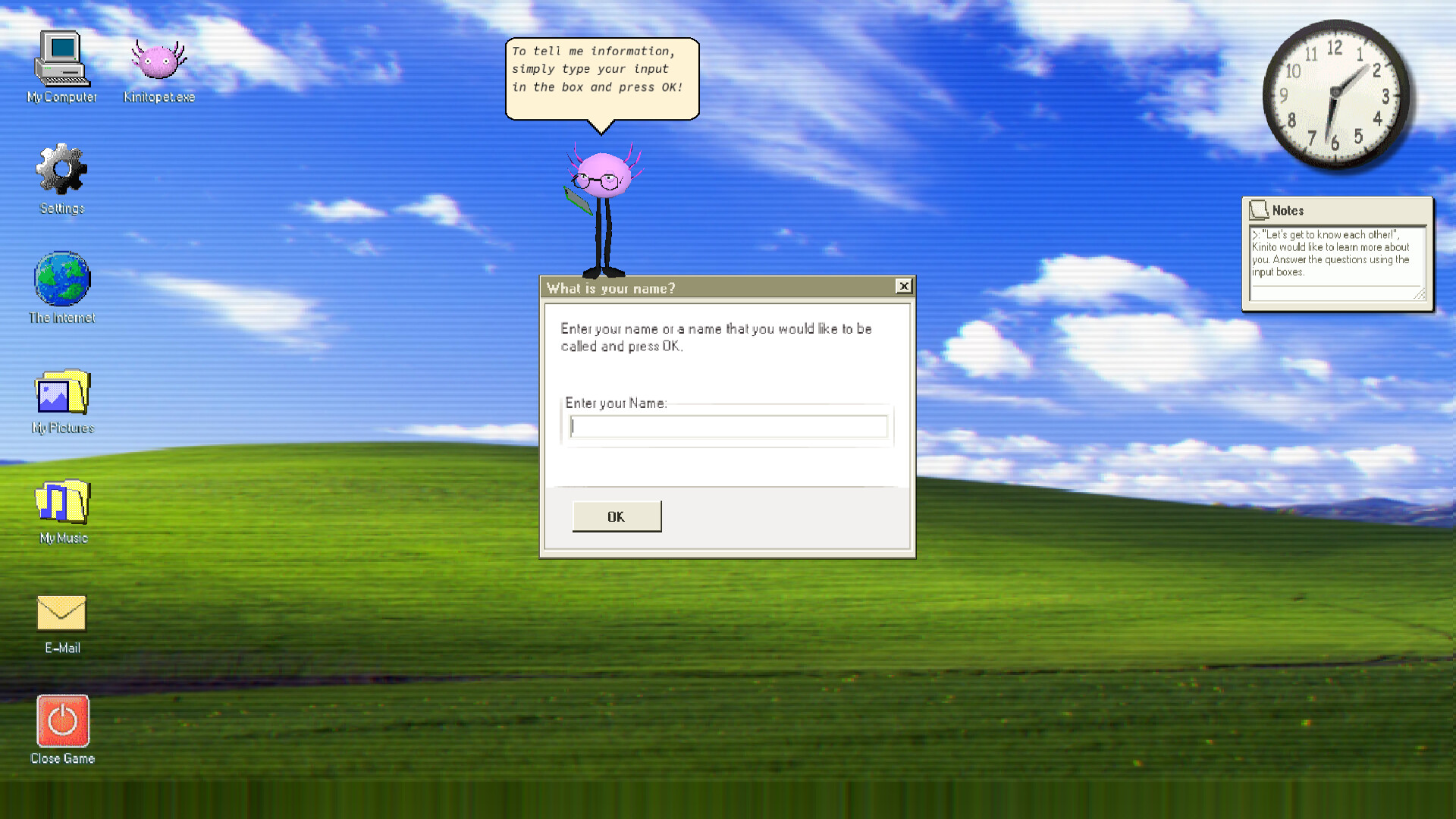
Remember KinitoPets? They were so fun! I heard they actually still work. Just go ahead and download him and have some fun. :)55
SLAY THE PRINCESS
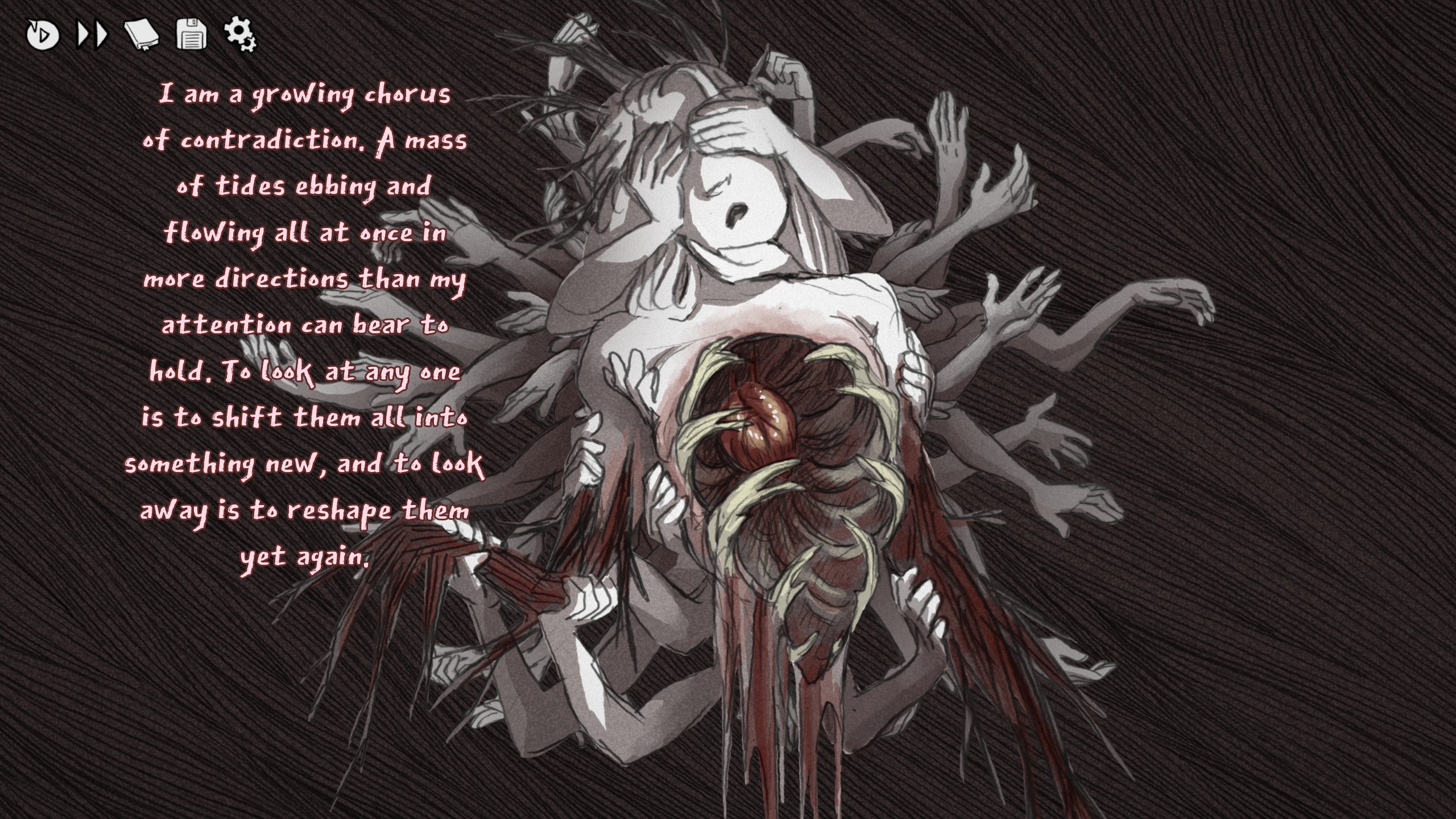
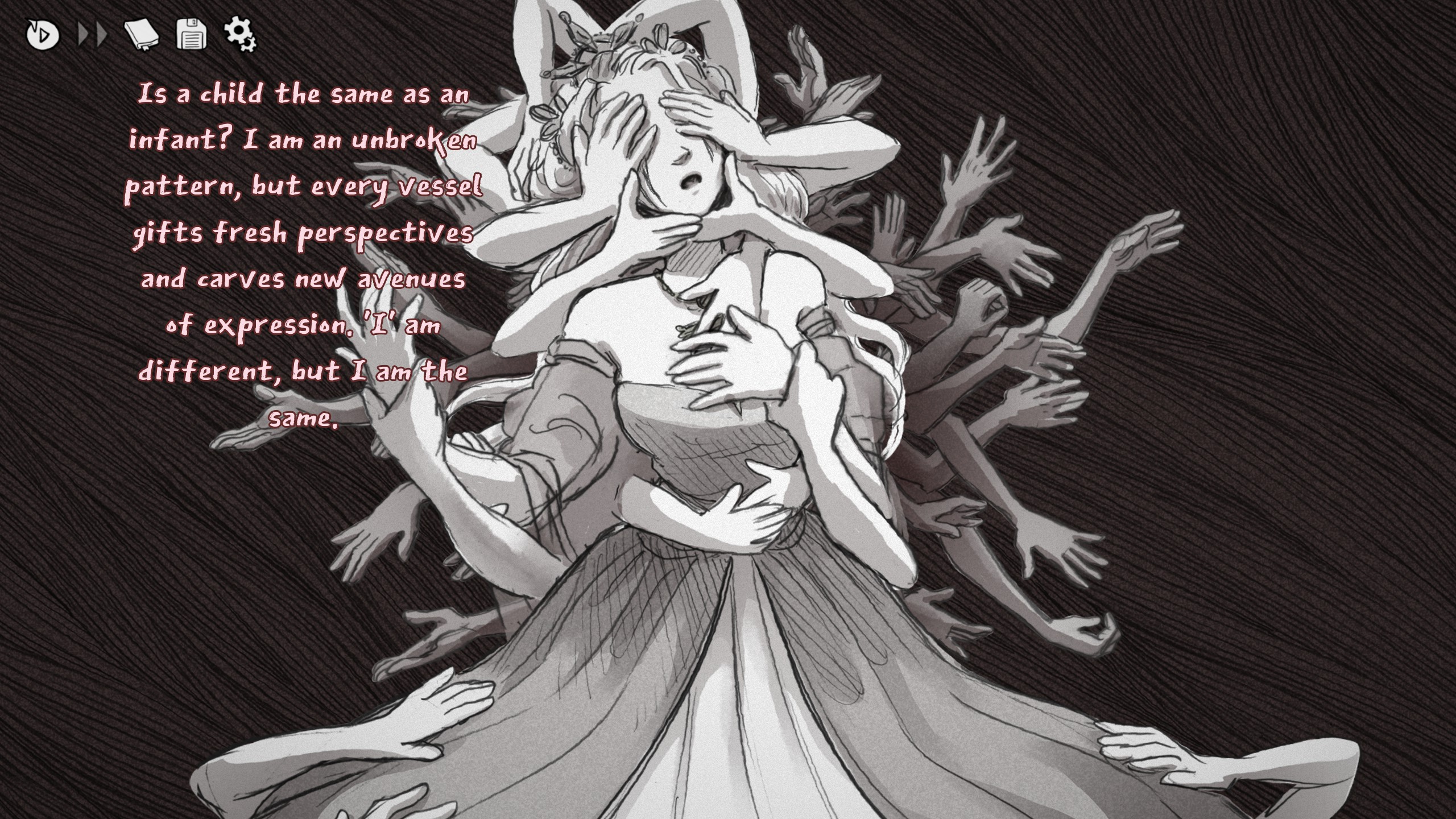
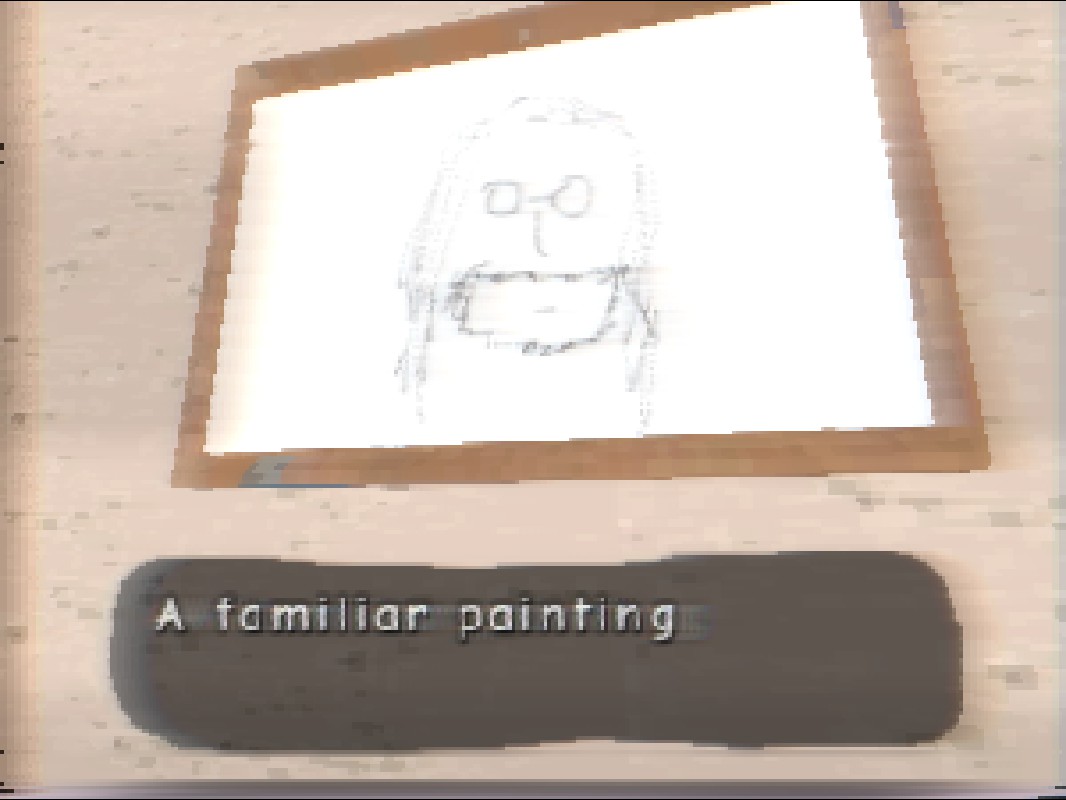
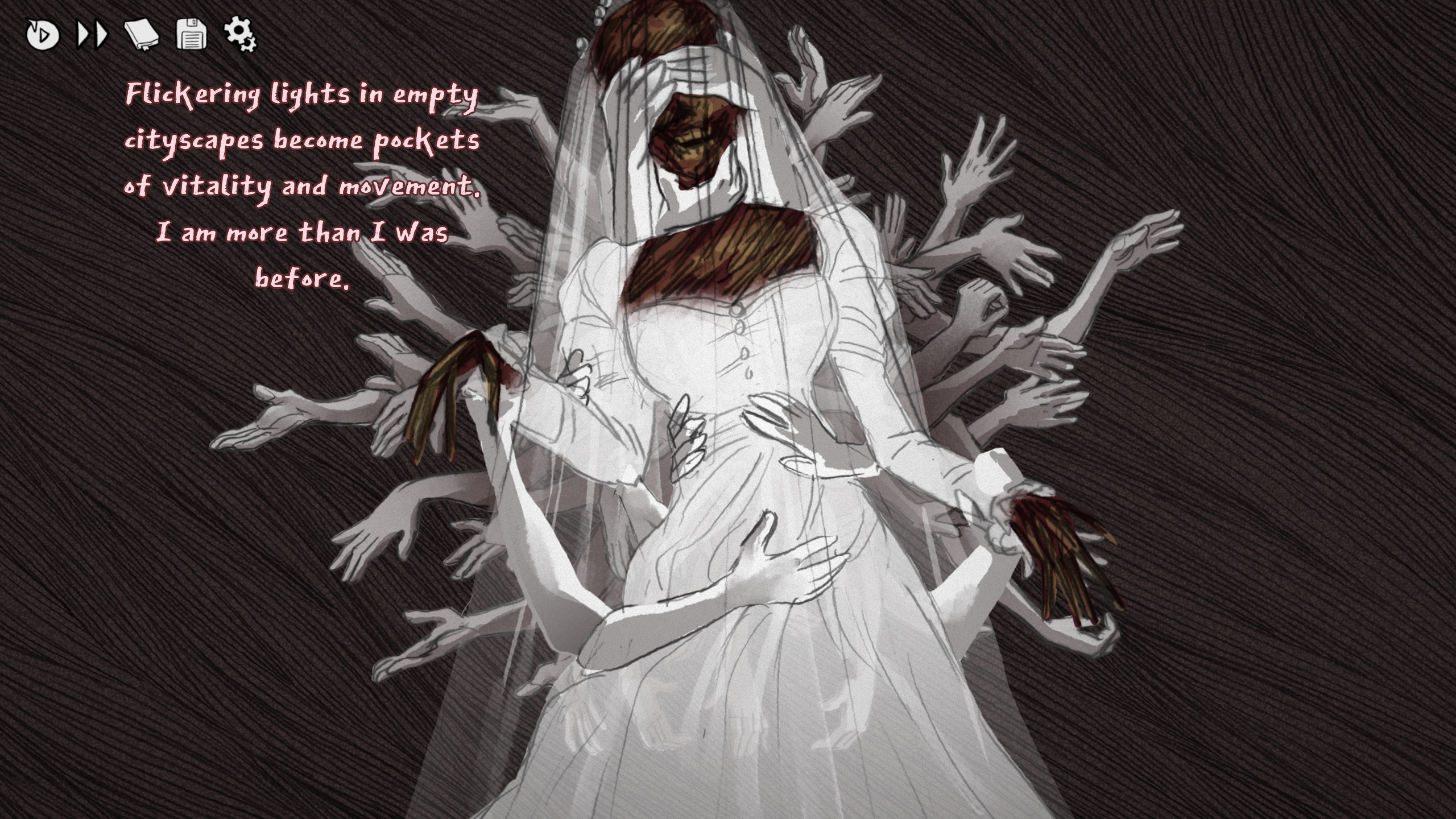
Slay the Princess opens with the eponymous inversion of a trope nearly as old as videogames themselves: Slay the Princess. What proceeds from that imperative is up to you. Slay the Princess56 is a deeply-ambitious game with an absolutely-gobsmacking amount of writing and a unique pencil-drawn art style. I enjoyed its journey more than its destination but it was always an intriguing experience and it contained no small number of beautifully-devastating scenes.
GOAT SIMULATOR 3
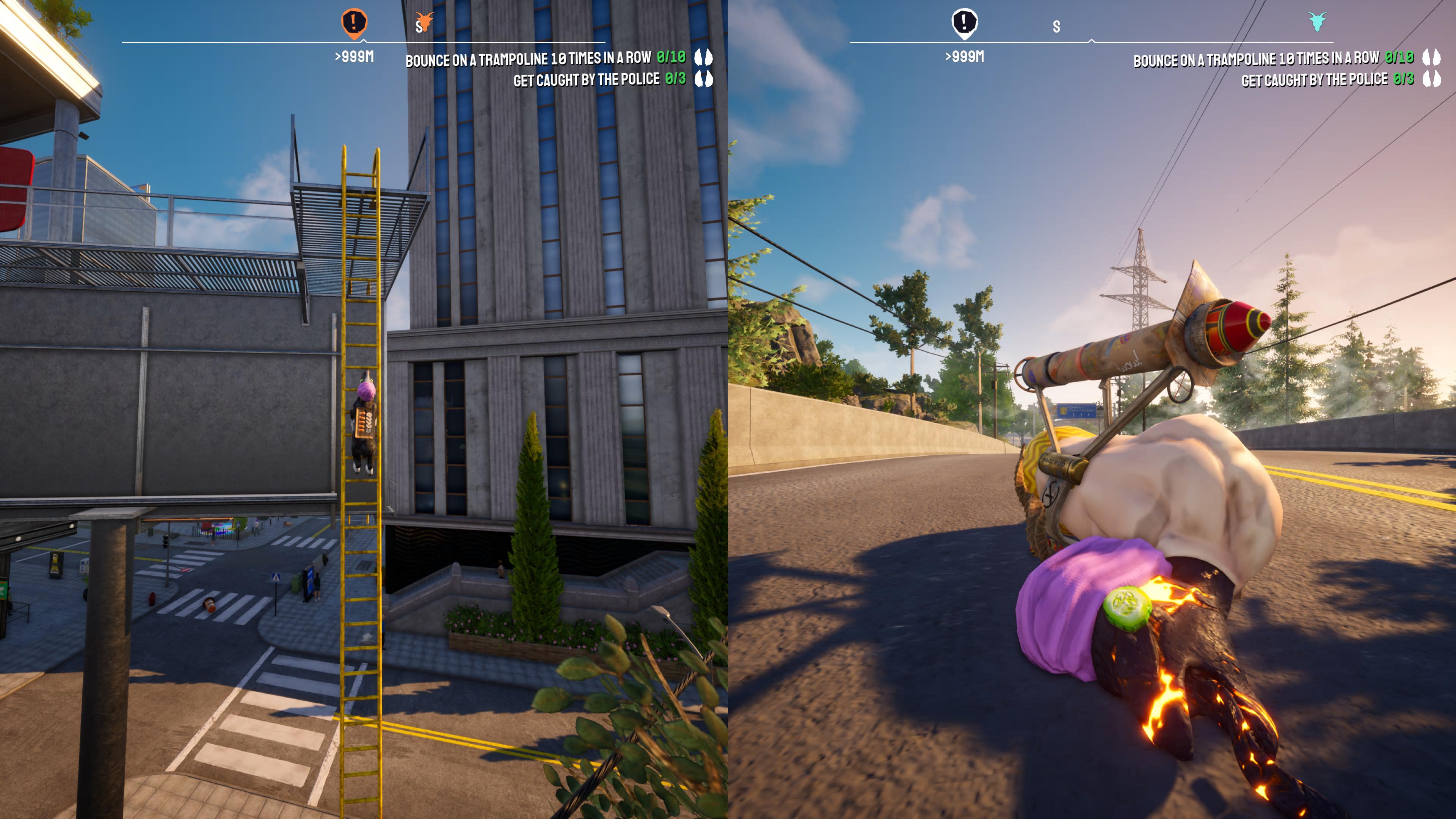
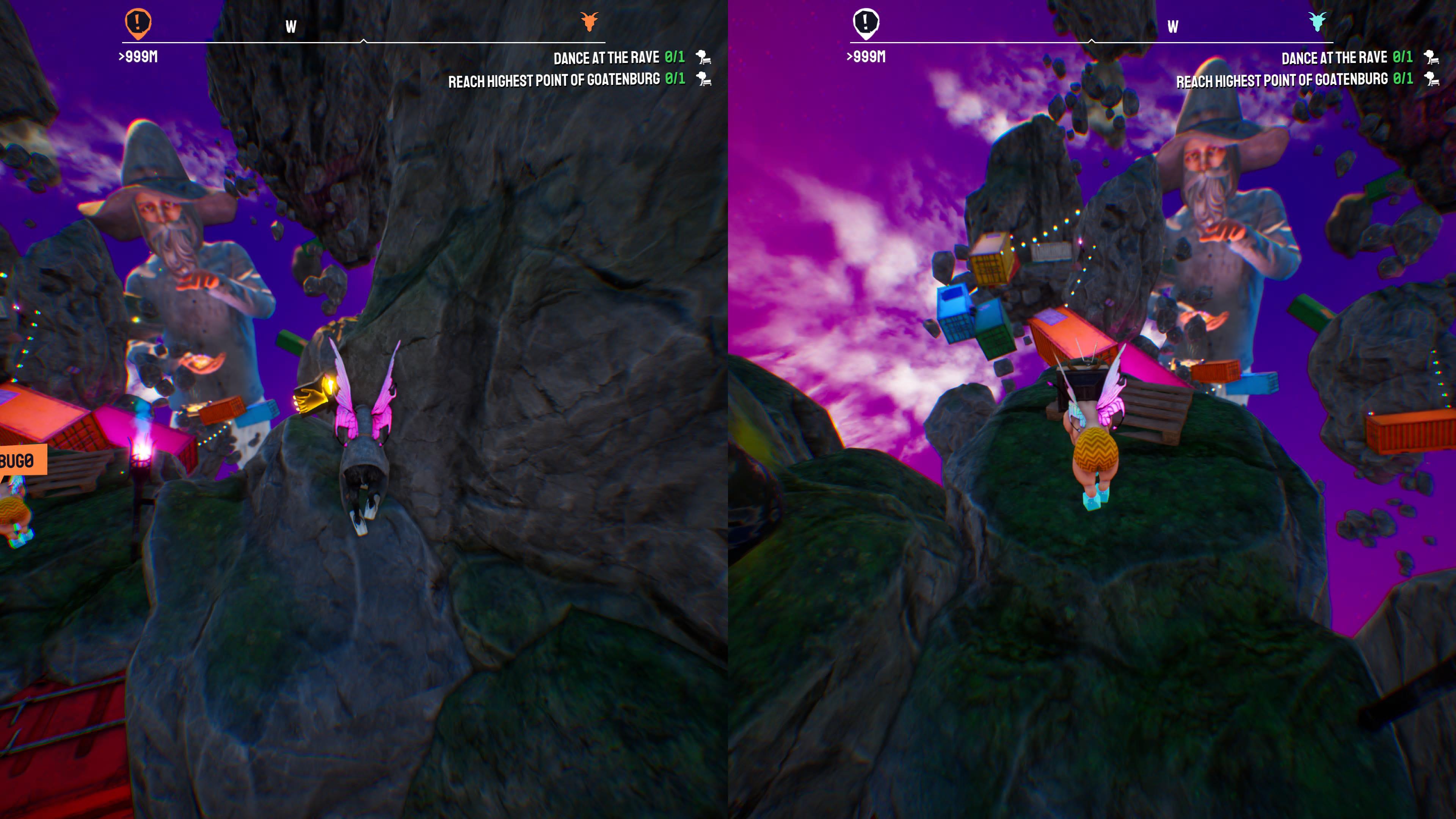
I played through all of Goat Simulator 3 in co-op and honestly… pretty good! Surprisingly fun, surprisingly funny. Naming the second game in a series Goat Simulator 3 will also always be funny to me.
Notable Omissions
DEATH STRANDING 2: ON THE BEACH
I am genuinely quite sad that I did not play Death Stranding 2 this year. I am confident that it would have been high on the list of my favourite games of 2025 and I hate to miss out on what has been a surprising amount of celebration for it during GOTY discussions. I suspect that it will be high on my list for 2026. Let’s see if I can nail this prediction two years in a row.
THE HUNDRED LINE: LAST DEFENSE ACADEMY
I am going to love this game whenever I find a spare 200 hours to play it.
DELTARUNE
I adored the first two chapters of Deltarune and so I am quite confident that I will enjoy the next two as well. I did not have a chance to play them on release this year but I suppose I will just wait until the release of Chapter 5 in 2026 and play them all in a sick frenzy.
I would typically discuss my life in at least a bit of concrete detail here but I have decided to obviate that practice in all but the vaguest of ways. A man with a toothache cannot help but be a narcissist, perhaps, but he doesn’t have to inflict that onto others. Here are a few final errant thoughts and reflections, however:
This Game of the Year list featured games from China, England, Korea, Japan, the US, Russia, and France. Isn’t that something?
I am still playing UFO 50.
This is the second year in a row that my GOTY list has discussed an original rap song.
A few months ago, I saw an internet celebrity whom I have long loved in a swimming pool and I was so excited to speak to him that I accidentally walked into the pool still wearing a shirt.
My favourite movies released in 2025 were Cloud, Left-Handed Girl, and Nirvanna the Band the Show the Movie.57 Some albums I liked were Oneohtrix Point Never’s Tranquilizer, Propagandhi’s At Peace, Alex G’s Headlights, Ninajirachi’s I Love My Computer, Baths’s Gut, and Japanese Breakfast’s For Melancholy (and sad women).
Thank you very much for reading. I do not know that 2026 will be all that different for me. Same piss different pants and all that. I hope that I can improve my relationship to games though, and to other media, and to people, to existing, and so on. I think that both the Apollonian and the Dionysian have their place, but our only hope for sustained manageable survival is to find some way to infuse each with the other. I still cannot believe that they called it Metaphor ReFantazio.
Footnotes
They are by no means sufficient or necessary, of course. They are just one of the many, many, many things in a human life that can contribute to these needs.↩︎
which is nothing new, of course. I still haven’t played Baldur’s Gate 3.↩︎
This originally said McDonald’s but that would, of course, be analogous to Fortnite.↩︎
It has been a bad year.↩︎
I am not really a “Marvel Guy” but, for better or worse, I am an “X-Men Guy.”↩︎
I used to have one of those great usernames myself but it was taken away by the cowardly fascists at NetEase.↩︎
To be fair to BALL x PIT, it currently has nearly 11,000 reviews on Steam, 96% of which are positive, which absolutely qualifies as “A Big Hit.” However, to be unfair to BALL x PIT (and to me), I meant “A Big Hit” more in the “Vampire Survivors” way (125,000 reviews, 98% positive), so I was still pretty far off.↩︎
Many of the character abilities in BALL x PIT are quite cool and worth keeping as a surprise, if you intend to play the game. That said, there are two options that are especially funny to me and so are worth spoiling here for those who do not care about such things: The Tactician changes the game to be turn-based, allowing you to pause and perfectly aim every shot before shooting. This nearly trivializes the game’s difficulty—which really does not matter by the time you unlock him—but is mostly just a hilarious way to play. And if you were looking to make the game even easier, you could consider The Radical who simply plays the game for you. He is the final character unlocked and is, to me, an extremely good joke.↩︎
By “roguelite,” I mean “run-based games wherein there are meaningful changes to your character, their abilities, and so on, across runs.” The Binding of Isaac would be more like a “roguelike”, as very little changes between runs, whereas Dead Cells would be a “roguelite”, as there is considerable growth in your character’s stats and abilities over the course of your runs.↩︎
There is limited value in obsessively drawing the boundaries of different microgenres and determining which games belong where (and it does not interest me as an intellectual exercise) but, for what it is worth, I have been highly-invested in other “run-based” games—I’m just not sure whether they were roguish in either variety. The main examples that comes to mind are Into the Breach, a run-based strategy game onto which I have perennially become fixated since its release in 2018, or Slay the Spire, the greatest game ever made (probably).↩︎
Unfortunately, these people were too busy playing Hades to vote in The Game Awards that year, because the award for Best Game ended up being given to a game that people seem to remember far less fondly, if at all.↩︎
For those interested, this footnote contains considerably more detail on how those systems have changed and what I think of those changes. Those not interested in this sort of minutiae may continue reading the main text unperturbed. Hades mainly allows players to strengthen Zagreus in-between runs by cashing in resources collected during runs, though primarily a resource called “darkness.” This system offers various buffs but mainly and simply serves to make Zagreus stronger and therefore to make runs easier. The meta-progression in Hades II is similar but differs in a couple of notable ways. First, it makes use of a great number of different resources, many of which are collected in different ways or whose attainment is locked behind other unlocks. Second, the unlocks offered seldom serve to make Melinoë straightforwardly stronger. Often, they unlock other features of the game, allow for more efficient resource collection, or unlock additional cosmetics. Strengthening your character is instead shifted to a new system: arcana cards. In the interest of brevity, I will simply say that arcana cards are a list of buffs that can be enabled at the start of your run, but only so many can be enabled at a time. I think that many people found the straightforward “make-the-game-easier” style of meta-progression in Hades to be boring and perhaps at odds with their desire to just get extremely good at playing the game. I am not unsympathetic to this perspective, but I am not certain that I prefer the system of Hades II. There is certainly more work involved in it: there are far more “things” that need to be collected in new and various ways; the unlocks they provide are far less advantageous than those in Hades; the arcana system certainly allows for more choice in how to make your character stronger. Unfortunately, it all felt a bit like jingling keys to me. Don’t get me wrong, there are few sights and sounds so sweet as a ring of those little beauties dancing off of one another—but I can’t help but feel nothing of true value has been gained here. I did not really mind these new systems, either… they’re fine! But I also thought that the meta-progression in Hades was fine, so perhaps I am simply not the audience the developers intended to mollify.↩︎
My primary complaint about Hades II is that I found the end-game grind to be deeply tedious. It requires an astonishing amount of work to ever make any progress and is also gated behind a fair amount of RNG (ha ha), so I bounced off of it fairly quickly. This is probably not a problem for players who enjoyed the game enough to play it for 100+ hours but I have other games I wish to play and am also already quite busy trying to find the person who keeps stealing the chain off of my bicycle, despite it having no purpose or resale value once removed.↩︎
To be clear: I love that oppression and austerity! This is all covered in that original Lies of P review, I can’t rehash the whole thing here, it’s already so long my family is dying↩︎
certainly the only one to be found during a run↩︎
If your heart has yearned for The Duke’s Dear Freja or the Gaping Dragon, then I have wonderful news for you.↩︎
Boring!↩︎
And just for fun, here are a few of them: I think that the customization system is mostly-unimpactful and boring and I hate that it relies on gacha pulls (only using in-game currency, of course). I dislike that 80% of the items and weapons you encounter on a run can and should be totally ignored. I wish there were more cosmetic customization options and that the few that are present weren’t locked behind dozens of hours of play.↩︎
And just for fun, here are a few of them: You revive downed teammates by whaling on them, and the more damage you do, the quicker they are revived; the more times a teammate dies, the harder they are to revive. I like that weapons do provide some buff to you just by being in your inventory, even if many of those are buffs are completely-useless to nearly every player. I love how different each class feels and how they can combine to feel like a traditional RPG party, which is basically an entirely new experience for FromSoft souls games.↩︎
graphics are just ok↩︎
The song is unfortunately replete with spoilers so I wouldn’t recommend listening to it too closely past the first 30 seconds but it is genuinely hilarious that the developers went through the trouble of writing and recording a goofy Eminem pastiche just to add immersion and flavour to the rapper character (and in case it need be stated, the song is clearly intended to be bad).↩︎
[insert joke about lotus eater here]↩︎
did i mention the rap song↩︎
which is not something that can be said for every game on this list…↩︎
This is, for a variety of reasons, not possible for the majority of games and there is nothing wrong with that. I simply consider this to be one of the more interesting things a game can do with its narrative. I put it in a similar category to stories that can (essentially) only be told through a videogame (e.g., 13 Sentinels: Aegis Rim, Nier Automata, Undertale).↩︎
“Hard” and “Lost in the Fog”, respectively.↩︎
At least, that is the case for its Japanese cast. I have not tried the game in English where Hinako is voiced by Suzie Yeung and hey wait a sec didn’t I talk about you last year?↩︎
Incidentally, Kato has also become quite popular for streaming the game herself and bringing a whole new dimension to the performance.↩︎
and, you know, in most other places↩︎
which you shouldn’t↩︎
which you definitely shouldn’t↩︎
though, to be fair to them, they did make a pretty good game, and to be unfair to everyone else, not that many other people did↩︎
Would you believe that this was the topic of one of the Discourses?↩︎
You know, “erased” or “rubbed out”, like “la gomme”—you remember “la gomme”, don’t you?↩︎
To be clear: this is a good thing. I wish more games would rip off the best parts of Final Fantasy!↩︎
This is actually one of Clair Obscur’s many great ideas and one that I hope is adopted more broadly in the genre. You have access to three items: a heal, a revive, and a “mana potion” that restores a character’s Action Points. These items are consumable but are restored to their full capacity everytime you reach a checkpoint, in the same manner that Estus Flasks are restored in Dark Souls when you reach a bonfire. The maximum capacity for these items can be increased by finding particular collectibles, either through exploration or defeating optional encounters. This fixes the classic JRPG problem of players accidentally hording items the entire game and also provides a worthwhile incentive for optional content. It seems a bit odd to call this a “great idea,” given that it is lifted from one of the most influential games of the modern era, but Clair Obscur is the first JRPG that I have seen use it so I am happy to give them the credit.↩︎
with a few notable exceptions, to be discussed momentarily.↩︎
A word to the wise: one common experience with Clair Obscur seems to be accidentally making your party over-powered in the game’s third act and utterly trivializing the final boss, with many reporting that they finished it in a single move. I was warned of this possibility and so tried to avoid doing much side content in the final act. This largely fixed the problem, though the final boss was still significantly easier than any of the optional bosses. Not an uncommon problem in JRPGs, I suppose.↩︎
It should be noted that I do not have these problems when playing rhythm games or Sekiro even when using the exact same setup, so it is unlikely to be the result of a hardware issue.↩︎
I took une tonne métrique of screenshots and that has got to count pour quelque chose.↩︎
who was one of Final Fantasy XVI’s few shining lights in his performance as the game’s protagonist, Clive.↩︎
For what it is worth, I also feel this way about Shadow of the Erdtree.↩︎
Again, I do consider it to be a positive thing that Clair Obscur lifted so much from Final Fantasy. Someone certainly should, god knows Square Enix isn’t doing it.↩︎
Shoutout to Death Stranding 2: On the Beach, I will see you in the 2026 Lotus Eater GOTY.↩︎
Well, “species hierarchies” might be more apt; some of those guys are distinctly not human.↩︎
?↩︎
I struggled a great deal with choosing the images and videos to include for Metaphor. I had 300 screenshots and there are just so many beautiful scenes, weird freaks, and funny scenes that I would like to have featured here.↩︎
which has historically not been the case. Sorry Haru.↩︎
We are also discussing videogames here, so I am grading on a considerable curve. The number of games that comment meaningfully on political philosophy has got to be in the single digits, right? The only one I can think of off the top of my head is Kirby 64: The Crystal Shards.↩︎
I did not end up doing so, due to the triumph of another neurological peccadillo of mine: A deep fear that I might Miss Out On Something Cool or Not Have the Intended Experience. It turns out that these concerns were probably unfounded.↩︎
If you are out there, please… Please…↩︎
At the very least, it doesn’t land this claim as successfully as another game discussed in this post.↩︎
(able)↩︎
One notable thing about KinitoPet is that it led to me winning my first ever game of Minesweeper… and my last…↩︎
sorry for saying “Slay the Princess” so many times in so few words↩︎
Do I italicize movie titles on Lotus Eater? I have really got to write that style guide at some point.↩︎